
Reviewed · CANOES & KAYAKS
Tasman Peninsula Full-Day Sea Kayak Excursion
Sea kayaking on the Tasman Peninsula feels epic fast. You get a full day built around 200-meter-high sea cliffs, sea caves, and dramatic rock formations, with guides keeping the whole thing smooth and safe. It’s also a great way to see Fortescue Bay and the coastline in a slower, more personal way than any bus stop view.
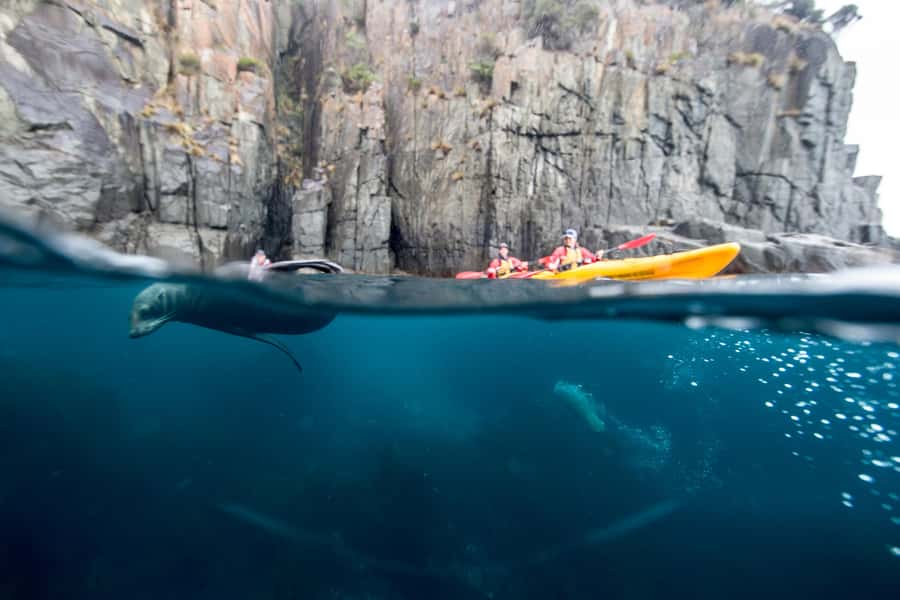
I especially love the wildlife focus, because you’re not just looking at scenery, you’re scanning for Australian fur seals on the rocks. I also like that the day includes a proper lunch with local products, served in a quiet bay where you can actually reset. One consideration: you should be comfortable with a moderate fitness level, because you’ll paddle for up to about 5 hours (even if the pace stays relaxed).
In This Review
- Key things you’ll notice right away
- Hobart to Fortescue Bay: a long day that stays well paced
- Getting set up in Fortescue Bay (and why double kayaks help)
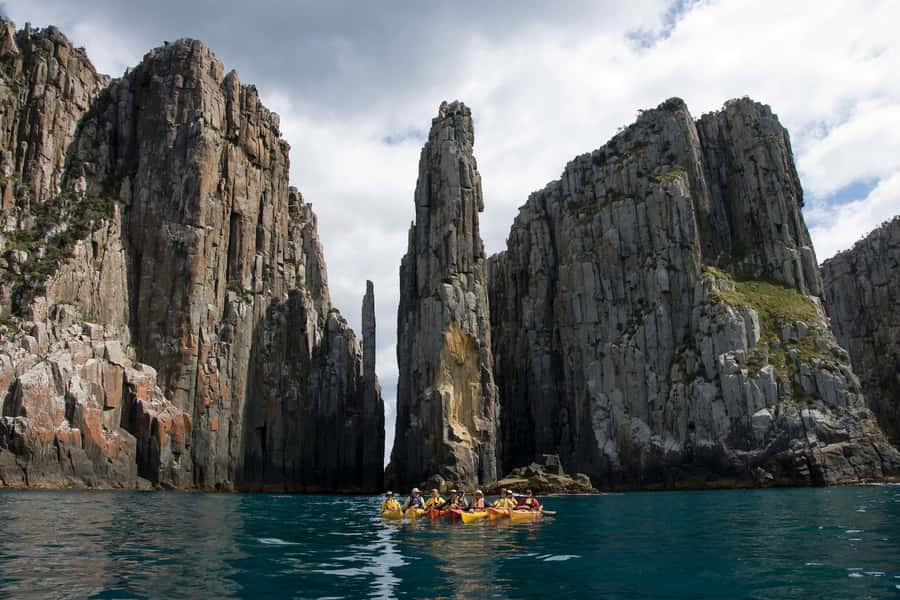
- Paddling beneath 200-meter sea cliffs and through the dramatic bits
- Totem Pole, Cape Hauy, and the names you’ll want to remember
- Wildlife spotting that actually has time built in
- Shipwreck pause: a calm moment with a different kind of interest
- Lunch at a secluded bay with local food
- Guides, equipment, and how a small group makes the day better
- Pace, fitness, and the weight limit you should plan around
- Price and value: what $212 gets you in real terms
- What to bring so you are comfortable on the water
- Who this tour is best for (and who should choose another day)
- Should you book this Tasman Peninsula sea kayak day?
- FAQ
- How long is the Tasman Peninsula full-day sea kayak excursion?
- Where do I meet for the tour?
- Is hotel pickup included?
- How much kayaking do I do during the day?
- What wildlife might I see while paddling?
- What should I bring?
Key things you’ll notice right away
- Small group, limited to 12 paddlers, which makes it easier to get real-time help
- Double sea kayaks and quality gear, so you can focus on steering and spotting wildlife
- Fortescue Bay base camp, right in Tasman National Park, with classic coastal scenery from the start
- Totem Pole and Cape Hauy area, plus other named formations like the Candlestick
- Semi-submerged shipwreck stop, a change of pace from open water paddling
- A lunch break that feels like part of the experience, not an afterthought
Hobart to Fortescue Bay: a long day that stays well paced
This is a full 10-hour day from Hobart that blends road time with real time on the water. You ride out in a comfortable air-conditioned minivan along scenic roads, and it’s a solid 2-hour drive each way. That matters because it sets you up for a more relaxed start, instead of jumping straight from city life into saltwater paddling.
The total day feels thoughtfully paced. You aren’t rushed through “look, photo, move on.” You paddle, stop for photos and snacks, eat lunch properly, and then paddle back with a lot of time to soak in what you’re actually seeing. It’s the kind of trip where your brain has a chance to switch from planning to paying attention.
There’s no hotel pickup, so you’ll want to plan to get to the meeting point at Cambridge Park near the Anaconda Building. If you prefer door-to-door convenience, you’ll need to handle your own transport to start the day.
A few more Hobart trips to compare
- Hobart Kayak Tour
★ 5.0 · 473 reviews - Hobart City 2.5-Hour Kayak Tour
★ 4.8 · 36 reviews - Sydney: Harbour Sunrise Kayak Tour
★ 5.0 · 1,899 reviews
Getting set up in Fortescue Bay (and why double kayaks help)
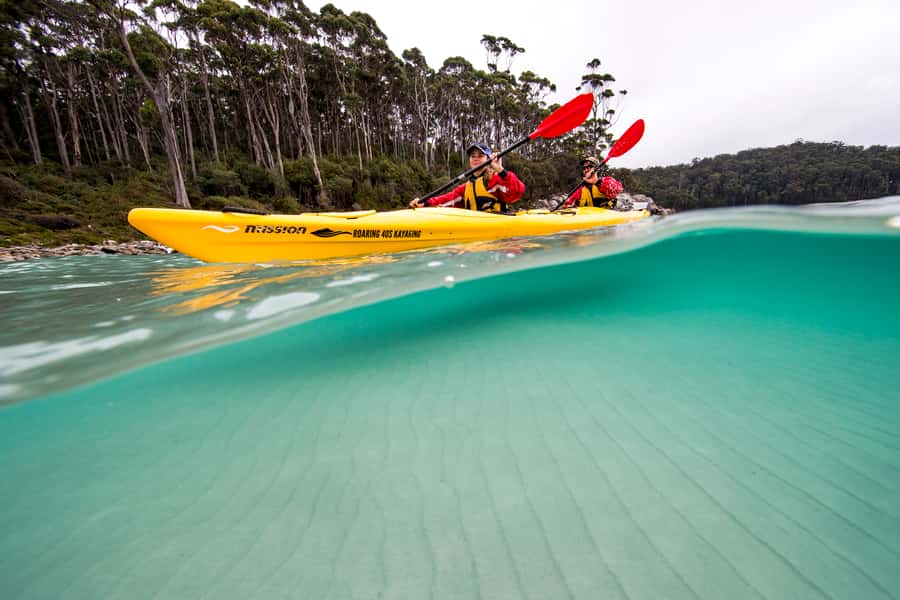
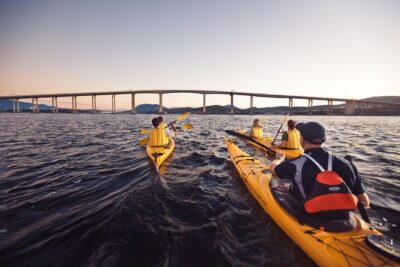
Your day starts in the heart of Tasman National Park at Fortescue Bay, where you’ll head into sea-kayaking mode with expert guides. The boats are stable double sea kayaks, and that’s a big deal for first-timers. You’re not fighting the kayak all day, you’re learning the flow of paddling as you go.
They also provide quality paddling equipment, so you do not need to guess what size blade, strap, or paddle you’ll need. The goal is simple: get you ready to paddle for up to around 5 hours without turning the first hour into a workout you didn’t sign up for.
From reviews and what’s included, I’d also expect them to be helpful about the small comfort items that make a big difference on the water. One review specifically mentioned water shoes being provided, and even sunscreen if you forget yours. Still, you should bring your own basics, because they can’t read every sunscreen bottle you left on the kitchen counter.
Paddling beneath 200-meter sea cliffs and through the dramatic bits
The heart of the experience is time on the water under some serious Tasman Peninsula walls. You’ll paddle beneath 200-meter-high cliffs, and when you’re that close to the rock, you get a very different sense of scale. From the shore, cliffs feel tall. From a kayak, they feel huge, close, and oddly quiet, like you’ve stepped into a different world.
The route includes sea caves and open coastline segments. That combination keeps it interesting, because you’re not just moving in straight lines. You’re gliding past rock features that shape how the water moves around them, and you’ll get frequent chances to pause, take photos, and listen to guide explanations.
A good part of the charm is that the coastline is not a single viewpoint. You’ll see fluted sea cliffs, coastal formations, and moments where the horizon keeps shifting. It’s the kind of setting where you stop thinking about your stroke for a second and just watch what the water and wildlife are doing.
Totem Pole, Cape Hauy, and the names you’ll want to remember
A standout feature is the chance to paddle toward the world-famous Totem Pole rock formation. If you’ve seen it in photos, it’s still impressive in person. In a kayak, you don’t just look at it, you approach it from the water, which gives you a clearer sense of its shape and why it’s such an iconic marker.
You’ll also paddle toward Cape Hauy and the Candlestick. These named formations help you stay oriented during the day, and they give the landscape structure, literally. Without that kind of “waypoints” framing, a long kayaking day can start to blur. With named stops, you remember where you were and why the guide is pointing out a particular section of coast.
Expect your guides to connect the shapes you’re seeing with the natural history and wildlife of the region. That makes the whole day feel more than just pretty views. It becomes a guided story you can actually follow while your arms are doing their part.
Same part of the map, a completely different day:
- Bruny Island Food, Sightseeing, Guided Lighthouse Tour & Lunch
★ 5.0 · 2,989 reviews - Full-Day Guided Bruny Island Tour from Hobart
★ 5.0 · 1,331 reviews - kunanyi/Mt Wellington Explorer Bus- Return Tour (2.5 hours)
★ 5.0 · 1,249 reviews - Hobart: Bruny Island Food, Sightseeing & Lighthouse Day Tour
★ 4.8 · 960 reviews
Wildlife spotting that actually has time built in
This day earns its reputation with wildlife watching that’s built into the paddling plan, not tacked on at the end. You’ll look for Australian fur seals as they sun themselves on the rocks. That’s often the moment you realize you came for the water, but you’re also going to remember the animals.
Beyond seals, the odds get exciting. You might spot dolphins, sea eagles, and penguins. And if you’re very lucky, whales. The key word there is might, because wildlife is never guaranteed. But what you can control is whether your guides put you in the right scanning windows, and this tour is designed for that.
One practical tip from reviews: if you’re prone to motion sickness, consider taking an anti-nausea medication before the tour, especially if it’s your first time kayaking. It’s not a guarantee, but it’s smart planning. When you’re out on the water and focusing on paddling, even mild nausea can make the day less fun.
Shipwreck pause: a calm moment with a different kind of interest
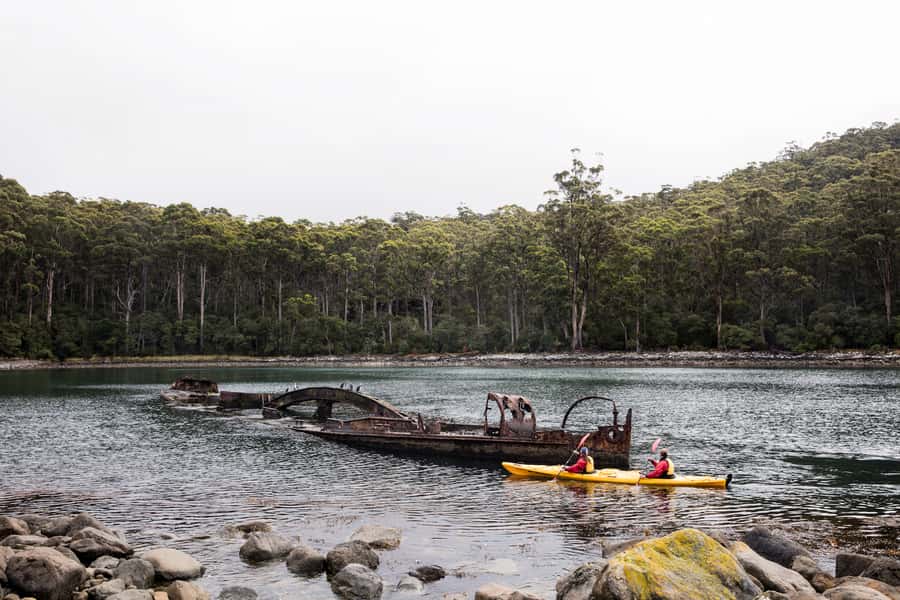
Between all the living wildlife moments, there’s also a semi-submerged shipwreck stop. This helps break up the day in a good way. A shipwreck isn’t just a photo moment, it’s a reminder that this coastline has a long human connection to wind, water, and rough conditions.
Because it’s semi-submerged, you get to view it in a way you can’t replicate from shore. Up close, you can see how the wreck sits with the water and how nature has shaped the area around it. It gives you something to think about besides weather, cliffs, and birds for a few minutes.
This pause also helps keep the paddling day comfortable. It turns your “time on the water” into a sequence of moments, rather than one long continuous effort.
Lunch at a secluded bay with local food
Lunch is not just a box lunch tossed into a corner. You stop at a secluded bay for a picnic lunch featuring fresh local products, plus refreshments. That means you’re eating in the middle of the experience, not at the end of it.
There’s also something psychologically helpful here. A break in a quiet cove lets you reset your posture and take your mind off paddling for a bit. You’ll feel better when it’s time to paddle back along the coast.
I’d treat lunch as part of your performance plan. Eat normally, drink water, and give your body time to cool down. It’s a full day, and you’ll enjoy the second half more if you manage that mid-point energy drop.
Guides, equipment, and how a small group makes the day better
This is limited to 12 participants, and that’s the right size for a sea kayak day. With a small group, guides can keep an eye on technique and comfort without turning it into a lecture. You also get more opportunities for questions when the guide points something out, like how the rock formations relate to wildlife habits.
They’re described as expert guides, and the trip includes everything you need to paddle safely, including stable double sea kayaks and quality gear. Based on reviews, they also provide water shoes and even sunscreen if you forget. That’s one of those details that can save your day. If you’ve ever ruined a beach trip by leaving sunscreen at home, you’ll understand why that matters.
The pace is relaxed, and there are breaks for photos and snacks. That’s worth taking seriously. Sea kayaking isn’t about speed on this kind of outing, it’s about being able to look up, notice birds, scan for seals, and enjoy the cliffs up close.
Pace, fitness, and the weight limit you should plan around
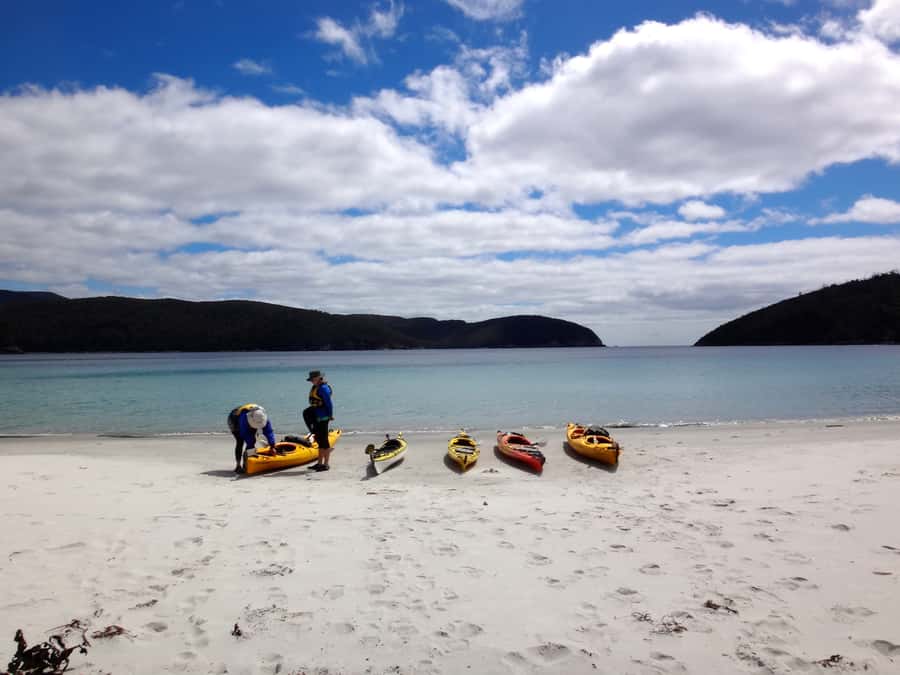
You’ll need a moderate fitness level for up to about 5 hours of sea kayaking. The kayaking pace stays relaxed, and there are breaks. Still, you should be honest with yourself about your ability to paddle steadily for extended stretches.
You also want comfortable clothes, because you’ll likely get splashed at some point, even if the day isn’t rough. Bring change of clothes for later, so you’re not sitting in damp fabric during the drive back.
One clear limit to note: the tour is not suitable for people over 264 lbs (120 kg). That’s about safety and fit in the kayak setup, so it’s not something to ignore.
If you’re new to kayaking, that’s not an automatic deal-breaker. Several reviews mention it being their first sea kayaking experience and still finding it well organized. Just plan to listen closely during the setup and focus on smooth strokes over trying to power through.
Price and value: what $212 gets you in real terms
At $212 per person for a 10-hour guided sea kayak day, the value is really about what’s included. You’re paying for round-trip transportation from Hobart, national park fees, expert guides, stable double kayaks, quality paddling equipment, and lunch with refreshments.
A lot of cheaper tours can look similar on paper, but the real difference is in how the day is managed. Here, the small group size and guide support matter for both safety and the ability to actually enjoy the scenery. You’re also getting a full-day structure, including an extended paddling block, a shipwreck stop, and a lunch break in a secluded bay.
When you add it up, the price feels fair for a guided, gear-included experience that’s not just a short paddle on calm water. This is the Tasman Peninsula, with serious cliffs and wildlife potential, and that kind of setting takes staff, timing, and equipment to do responsibly.
What to bring so you are comfortable on the water
You’ll have a much better day if you show up prepared. The essentials are straightforward:
- Sunglasses and a sun hat
- Sunscreen (even if they may have you covered, don’t rely on it)
- Change of clothes for after the paddle
- Comfortable clothes you do not mind getting damp
- Water
- Any comfort items you personally need for long paddles
You’ll be outside for hours, and sun plus wind can sneak up on you. Even if the day starts cloudy, conditions can shift, especially along a coastline. Bring what you’d normally want for a long day near the ocean.
Who this tour is best for (and who should choose another day)
This kayaking day is a strong fit if you want a guided sea kayak experience with classic Tasman Peninsula highlights. You should also like being outdoors for a full 10 hours, with time spent paddling and scanning for wildlife.
It’s also a good choice if you like structure. Named formations like Totem Pole, Cape Hauy, and the Candlestick give the day rhythm, and the shipwreck stop gives variety.
If you do not want a moderate fitness challenge, or you’re worried about paddling for up to around 5 hours, consider a shorter or less active option. And if you’re above the weight limit, this is not the right fit.
Should you book this Tasman Peninsula sea kayak day?
I think you should book this tour if you want a full-day mix of big cliffs, Totem Pole, wildlife, and guided pacing, all with stable double kayaks and gear provided. The day feels designed for enjoying the place, not just ticking boxes.
You should pause and plan carefully if you’re not confident about paddling for up to about 5 hours, even at a relaxed pace. And make sure you can get yourself to the meeting point at Cambridge Park near the Anaconda Building since hotel pickup is not included.
If you come prepared, bring the right clothes, and give yourself permission to take breaks, this is the kind of Tasmania day you remember long after the photos fade.
FAQ
How long is the Tasman Peninsula full-day sea kayak excursion?
The excursion runs for 10 hours.
Where do I meet for the tour?
You meet at Cambridge Park near the Anaconda Building.
Is hotel pickup included?
No, hotel pickup is not included.
How much kayaking do I do during the day?
You kayak for up to around 5 hours, at a relaxed pace with breaks for photos and snacks.
What wildlife might I see while paddling?
You’ll look for Australian fur seals, and you might also see dolphins, sea eagles, and penguins. Whales are possible if you’re very lucky.
What should I bring?
Bring sunglasses, a sun hat, change of clothes, sunscreen, and water, plus comfortable clothes for a full day outdoors.
Newest Hobart reviews on the site
- Hobart: Full-Day Tasmania Gourmet Seafood Cruise★ 4.9 · 11 reviews
- Tasmania: Wilderness and Wildlife Guided 6-Day Tour★ 4.6 · 60 reviews
- Tasmania: 7-Day West to East Tour★ 4.8 · 115 reviews
- Tasman Peninsula Day Trip with Cruise & Devils from Hobart★ 4.9 · 226 reviews
- From Hobart: 5-Day Tasmania West & East Coast Tour★ 4.9 · 369 reviews
- Signature Wine Tour – Hobart & SE Tasmania★ 4.9 · 48 reviews
- Shore Excursion: Hobart Wanderer★ 4.6 · 16 reviews
- Mt Wellington Ultimate Afternoon Tour★ 4.6 · 8 reviews
Canoes & Kayaks, compared.
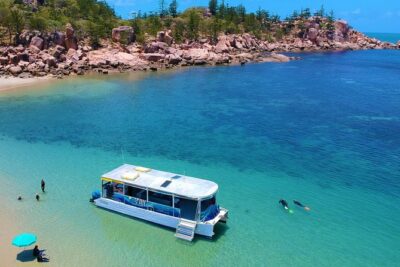
Magnetic Island Discovery Tour with Snorkeling & Paddle Boarding
Read our review →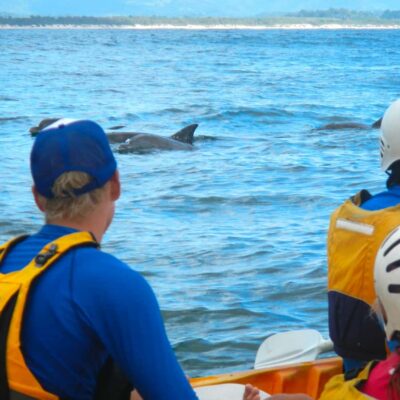
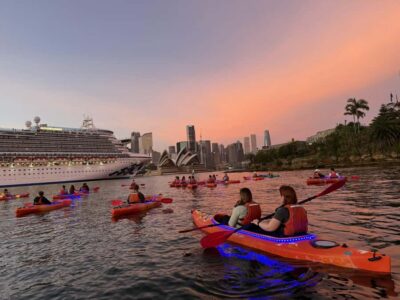
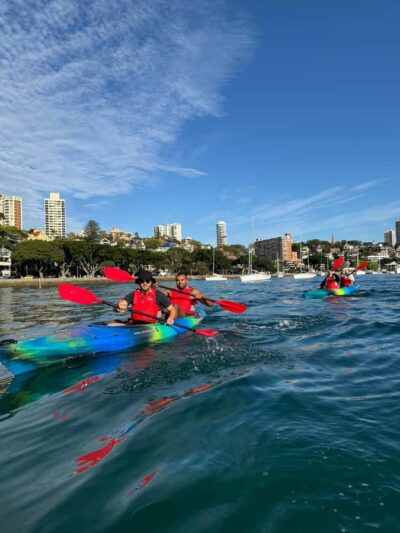
Sunrise Kayak, Opera House & Under Harbour Bridge
Read our review →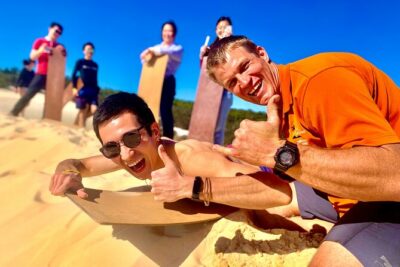
Moreton Island Day Trip (Kayak, Snorkel & Sandboard) frm Brisbane or Gold Coast
Read our review →
Browse the lists this tour appears in