
Reviewed · DOLPHIN WATCHING
Adelaide: Dolphin Sanctuary Eco Kayaking Tour
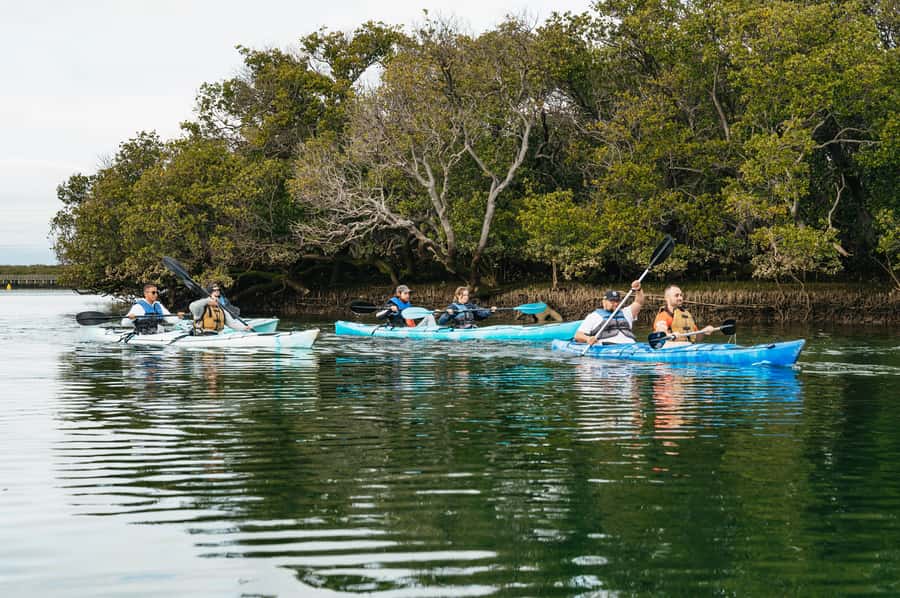
Mangroves hide dolphins and shipwreck stories. On this eco-friendly kayaking tour from Port Adelaide, you paddle through 10,000-year-old mangrove creeks with a marine biologist guide, learning how the ecosystem feeds local dolphins. It feels like travel by slow boat, not a sprint, and that’s exactly the point.
I especially like the chance to do dolphin sanctuary viewing from close, quiet water without rushing them. I also like that it’s beginner-friendly at a comfortable pace, with guides like Mark, Paddy, Kendall, Liam, Alex, and Fiona coaching paddling basics before you head out. One consideration is that dolphin and shipwreck sightings are never fully guaranteed, because wild animals, weather, and tides decide what you can access on the day.
You’ll finish 3 hours later still smelling like salt air and mangroves, with photos from waterproof bags and a head full of practical wildlife facts. If you want a nature experience that feels local and respectful, this is a strong pick for Adelaide.
In This Review
- Key highlights to look for on this tour
- Angas Inlet Boat Club: the start point that sets the tone
- The 15-minute safety briefing, plus real kayak basics
- Paddle the mangroves: why these creeks support dolphins
- Shipwrecks along the route: cool history, but not guaranteed
- Dolphin sanctuary etiquette: how guides keep the focus on the dolphins
- Wildlife beyond dolphins: birds, marine life, and quiet moments
- How hard is 3 hours of paddling really?
- What’s included in your $55, and how to plan your day
- Weather, tides, and why your day might change
- Who this tour suits best, and who should skip it
- Should you book the Adelaide dolphin sanctuary eco kayaking tour?
- FAQ
- Where is the meeting point for the tour?
- How long does the kayaking tour last?
- What happens first when we arrive?
- Do I need prior kayaking experience?
- Is dolphin spotting guaranteed?
- What age can children join?
- What should I bring?
- Is the tour suitable for wheelchair users or mobility impairments?
Key highlights to look for on this tour
- 10,000-year-old mangrove creeks where dolphins feed around seagrass, saltmarsh, tidal flats, and creek edges
- Marine biologist-led guidance plus kayak coaching for first-timers
- Dolphin sightings are possible but not guaranteed, based on tides, weather, and animal movement
- Shipwreck paddling opportunities, which may be limited on windy or unsuitable conditions
- Peaceful, low-impact paddling with a watch-your-step vibe under mangrove branches
- Waterproof photo gear included (waterproof bag, and many guides use waterproof phone bags too)
Angas Inlet Boat Club: the start point that sets the tone
Your trip starts at Angas Inlet Boat Club, Lot 204 Garden Island Road, Port Adelaide SA 5015. This matters because the tour is built around a calm, local waterway rather than a long bus ride. Several people noted you’ll likely want a taxi or your own car to get there, so plan transport early, especially if you’re not staying in Port Adelaide.
Once you arrive, you’re not thrown into chaos. There’s a short setup process, then you get your gear and get oriented. That initial calm pays off later, because you’ll be paddling in narrow creeks where small mistakes feel bigger. In other words, the “meet here, get geared up, then go” approach helps you relax before you hit the mangroves.
More Kayak Tours in Adelaide
- Dolphin Sanctuary Kayak Tour Adelaide
★ 4.5 · 355 reviews - Adelaide Dolphin Sanctuary and Ships Graveyard Kayak Tour
★ 5.0 · 275 reviews - Dolphin Sanctuary and Ships Graveyard Kayak Tour
★ 4.7 · 143 reviews
The 15-minute safety briefing, plus real kayak basics
Before you paddle, expect a 15-minute safety briefing. You’ll get shown how to handle your kayak, how to stay balanced, and what to do if conditions change. The guides tend to focus on making sure everyone can move at the right pace without panic, which is why first-timers consistently feel comfortable.
If you need a quick confidence boost, this is the right kind of training. One person described the rookie rehearsal as excellent, and another said they learned fun facts while still getting the paddling basics. There’s also a practical reason they teach you well: mangroves come with low branches and tight corners, so good control matters.
Equipment is included, including a kayak and life jacket, plus a waterproof bag. That waterproof setup helps you bring a waterproof camera, or protect your phone for quick dolphin or bird photos.
Paddle the mangroves: why these creeks support dolphins
The core magic is the route itself: you kayak through Adelaide’s Dolphin Sanctuary, starting into mangrove-lined creeks and heading toward areas known for dolphin activity. The tour describes this as 10,000-year-old mangrove habitat, and it’s not just a cute fact. Mangroves connect to seagrass and tidal flats, creating a feeding network that draws dolphins in.
Mangroves also make the water feel sheltered. Creeks can be quieter than open water, and that calm usually makes it easier to notice birds, fish flashes, and marine life near the edges. Several people loved how “the mangroves under the low trees” feel, like you’re gliding through a living tunnel rather than cruising a broad river.
There’s a comfort angle too. The itinerary is paced for people who don’t have kayaking experience. One reviewer also shared that water depth was shallow enough that, at least on their day, it wasn’t more than groin depth for an adult even at high tide, and knee depth at low tide. Conditions vary, but the overall design seems aimed at keeping the experience manageable.
Shipwrecks along the route: cool history, but not guaranteed
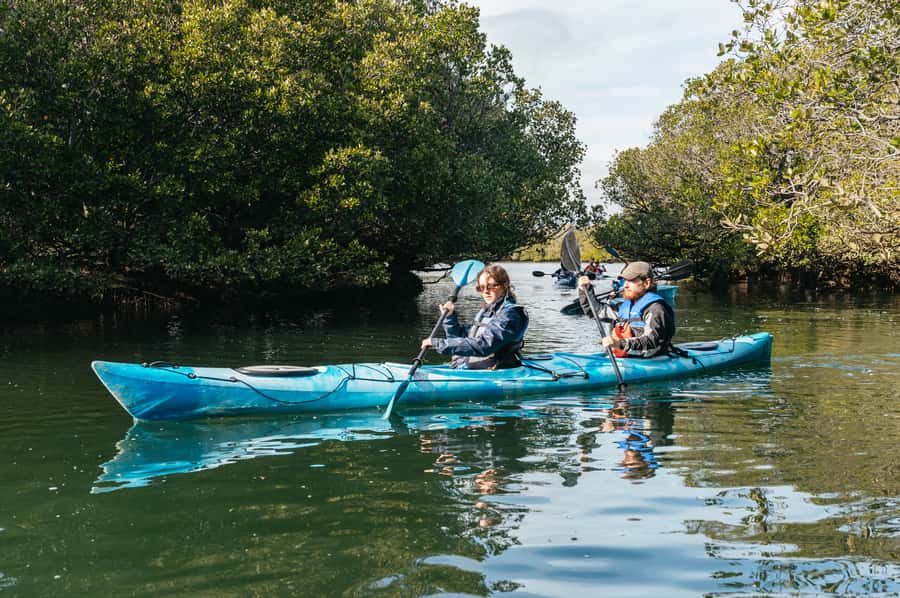
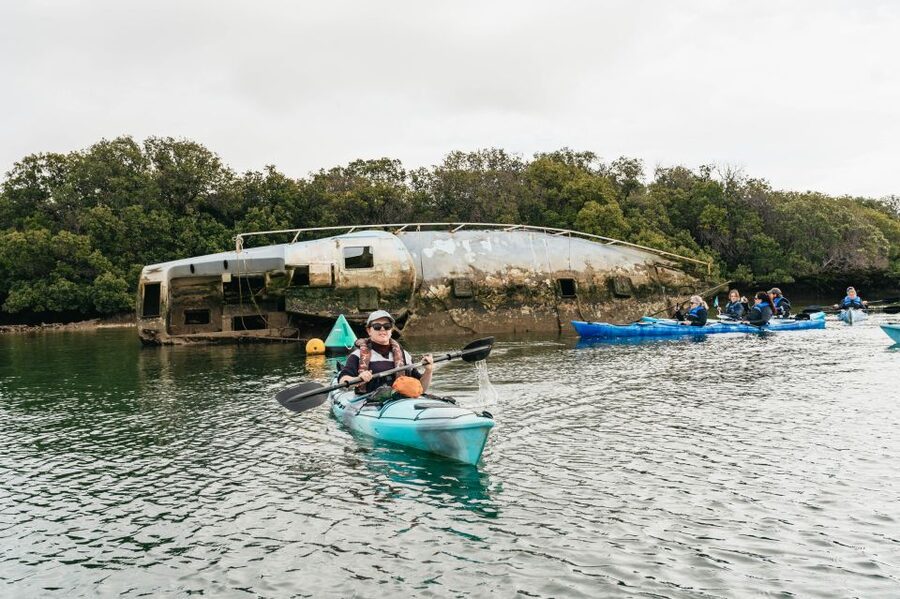
Along the way, you may paddle close to abandoned shipwrecks. This is one of the most interesting “two worlds at once” elements of the trip. You’re in a living ecosystem, but you’re also seeing remnants from a bygone era, and the guides generally connect the wrecks to the local maritime history.
Here’s the catch: shipwreck access can depend on weather, tides, and conditions. One reviewer described a windy day where they couldn’t complete the full shipwreck portion. Another noted they didn’t see many wrecks but still had dolphins and lots of other wildlife.
So think of the wrecks as a bonus. If you go in expecting the mangroves and wildlife first, you’ll feel satisfied even on a day where the wreck viewing is reduced. The upside is that the tour still gives you plenty to do while paddling through the sanctuary, so you’re not just waiting for one specific sightline.
A few more Adelaide trips to compare
- Adelaide: 4-Hour Swimming with Dolphins Experience
★ 4.7 · 439 reviews - Port Adelaide: Dolphin and Ships Graveyard Cruise
★ 4.5 · 375 reviews - Adelaide: 4-Hour Guaranteed Wild Dolphin Watching Cruise
★ 4.8 · 349 reviews - 90 Minute Port River Dolphin & Ships Graveyard Cruise
★ 4.5 · 321 reviews
Dolphin sanctuary etiquette: how guides keep the focus on the dolphins
The whole point of a sanctuary tour is behavior. The guiding style is designed to avoid disturbing wild dolphins, which is why you might slow down, stop paddling, or keep quieter if dolphins appear close. Several guides were praised for this exact care, including Phoenix, Mark, Paddy, Kendall, and Liam, with people emphasizing safe distance and respect for natural behavior.
You’ll also get a lot of explanation about why dolphins use these waters, beyond just spotting them. The tour is guided by a marine biologist, so the storytelling tends to connect dolphins to feeding grounds, birds, and habitat structure. That scientific framing can make dolphin sightings more rewarding because you understand what you’re seeing, not just that you’re seeing it.
Most important: dolphin sightings are not guaranteed. The tour notes that, because you’re dealing with wild animals, weather conditions, and tides, you cannot always count on dolphins or paddling in the shipwreck area. One person also mentioned they were happy the trip didn’t use bait or sounds to attract dolphins, which aligns with how sanctuary viewing should work.
If dolphins are your top reason for booking, your best move is simple: be flexible with dates and pick a day that looks calmer when you can. Wind can change what sections are reachable, and calm water can also help you spot activity sooner.
Wildlife beyond dolphins: birds, marine life, and quiet moments
Even when dolphins are far away, the sanctuary still delivers. Mangrove creeks concentrate life, and you can spot lots of birds as you paddle. Pelicans came up in feedback, along with general birdlife and colorful marine life around the edges.
What makes the wildlife feel special here is the pace. You’re not sprinting between viewpoints. You’re sliding through a real ecosystem where birds and fish react to your quiet movement. That’s why people described the experience as relaxing and therapeutic, not just “a thing to tick off.”
The guides also help you look better. Instead of making you stare into water and guess, they point out what to watch for and explain the habitat in plain language. A few first-timers said the guides taught them what to look for and how to paddle without feeling tense, which makes a huge difference when you’re trying to photograph small animals.
How hard is 3 hours of paddling really?
For 3 hours, it’s generally manageable, especially because the pace is comfortable and beginner-friendly. People repeatedly mentioned no high fitness level is needed to keep up, and that the guides help you adjust if your technique isn’t perfect.
That said, paddling can be physical. One review called it quite hard work if you push it, which is fair. You’re moving a kayak through sheltered creeks and sometimes against current, and your arms will feel it by the end.
You’ll also be moving around in a way that demands balance. Some people noticed that there’s minimal chance of falling because the conditions are controlled and you get coaching, but it still helps to wear appropriate clothes and keep a relaxed grip. Also remember that the route can include slower stretches where you might have to hold position to watch wildlife.
If you’re bringing kids, note the requirement: children must be 10 or older, able to paddle, and they must ride in a double kayak with an adult. That’s a big part of how the tour keeps everyone safe and moving at the right pace.
What’s included in your $55, and how to plan your day
At $55 per person for 3 hours, this is strong value for a guided eco kayaking experience with a marine biologist. You’re not paying extra for the basics. Included in the price are the guided tour, kayak and life jacket, water to refill your drink bottle, and a waterproof bag.
What’s not included is hotel pickup, plus food and drinks. That’s why I’d plan a simple snack and water bottle before you arrive. The tour provides water refill, but you’ll still want food for energy, especially if you go on a warm day.
Bring a sun hat and biodegradable sunscreen. A waterproof camera is a good call, and a lot of people also recommend mosquito repellent, with one person suggesting spraying beforehand. The mangroves can be a mosquito zone, and shaded creek edges can feel extra buggy at dawn or dusk.
If you like photos, take advantage of the waterproof bag and any waterproof phone bag your guide offers. People mentioned these as a practical touch that made capturing dolphins and birds much easier without worrying about dropping gear.
Weather, tides, and why your day might change
This is one of the most practical parts of the trip: you’re on live habitat water. The tour can be canceled for unsuitable weather conditions, and even on days that run, tides and wind can change how much of the route you reach and where you can paddle safely.
In practice, wind was the main factor that affected what people saw. One person described a windy day where they couldn’t do the full shipwreck portion, and they saw dolphins less than expected. On a calmer day, they tried again and got a different experience, including the wreck segment.
So build in flexibility. If your schedule is tight, still book, but accept that wildlife is wild. If dolphins are your main goal, choose the least windy day you can and stay open to the idea that dolphins might show up early, late, or not at all. The mangrove portion is still worth your time even without dolphin close-ups.
Who this tour suits best, and who should skip it
This is a great fit for people who want a real nature outing without prior kayaking experience. You’ll get instruction, and the pace is set so you can focus on the environment rather than fighting your paddle.
It also works well for families with the right ages, since children must be 10 or older and able to paddle in a double kayak with an adult. If you’re traveling with teenagers who can follow instructions and paddle confidently, the trip can be a fun way to learn about local wildlife.
There’s also feedback that older adults can do it. One reviewer described having prosthetic hips and still finding it within their capabilities, crediting the guide for pacing and route decisions. That’s encouraging, but the trip is still not suitable for wheelchair users or people with mobility impairments, based on the activity rules.
If you have significant mobility limits, you’ll want to choose a different type of wildlife tour that doesn’t require active paddling and kayak balance.
Should you book the Adelaide dolphin sanctuary eco kayaking tour?
Book it if you want an authentic, low-impact wildlife experience that’s built around education and good behavior in nature. At $55 for 3 hours with a marine biologist, kayak, life jacket, and waterproof gear, it’s good value, especially if you’re happy with wildlife as the main show and shipwrecks and dolphins as big bonuses.
Skip it or rethink if you need guaranteed dolphin sightings or a fixed route. The tour explicitly depends on tides, weather, and animal movement, so your day can vary. Also skip if you cannot meet the age and paddling requirements for kids, or if you have mobility limitations that affect your ability to participate safely.
If you go in calm, flexible, and ready to paddle through a mangrove world, you’ll likely come away with photos, stories, and a deeper sense of why these creeks matter to dolphins and birds alike.
FAQ
Where is the meeting point for the tour?
You meet at Angas Inlet Boat Club, Lot 204 Garden Island Road, Port Adelaide SA 5015.
How long does the kayaking tour last?
The tour duration is 3 hours.
What happens first when we arrive?
You start with a safety briefing that lasts about 15 minutes, then you go kayaking in the sanctuary area.
Do I need prior kayaking experience?
No. The tour is designed to be doable at a comfortable pace and does not require prior kayaking experience.
Is dolphin spotting guaranteed?
No. Because dolphins are wild animals and conditions depend on weather and tides, sightings cannot be guaranteed.
What age can children join?
Children must be 10 years or older. Children age 10 to 15 must be in a double kayak with an adult and able to paddle.
What should I bring?
Bring a sun hat, your food and drinks, a waterproof camera, and biodegradable sunscreen. Mosquito repellent is also a practical idea.
Is the tour suitable for wheelchair users or mobility impairments?
No. It is not suitable for people with mobility impairments and wheelchair users.
More Canoes & Kayaks in Adelaide
- Full Day Kayaking Tour in Coorong National Park
★ 5.0 · 120 reviews - Adelaide Dolphin Sanctuary Mangroves Kayaking Tour
★ 4.5 · 59 reviews - Adelaide: Dolphin Sanctuary Mangroves Kayak Tour
★ 4.2 · 54 reviews - Adelaide: Dolphin Sanctuary Single or Double Kayak Rental
★ 4.1 · 51 reviews
Newest Adelaide reviews on the site
- d’Arenberg Cube / McLaren Vale Regional Tour★ 4.5 · 26 reviews
- Wild Dolphin Watch in Glenelg★ 5.0 · 12 reviews
- Victor Harbor and Fleurieu Peninsula Tour★ 4.5 · 145 reviews
- Wild Dolphin Swim Cruise★ 5.0 · 55 reviews
- Victor Harbor and Southern Highlights from Adelaide★ 4.0 · 47 reviews
- Ultimate Maggie Beer’s Farmshop Experience★ 5.0 · 8 reviews
- The F Factor: Adelaide food tour★ 5.0 · 89 reviews
- Adelaide Twilight Cruise from Glenelg★ 4.5 · 94 reviews
Dolphin Watching, compared.
Moreton Island: Dolphin & Tangalooma Wrecks Snorkel Cruise
Read our review →

Jervis Bay Day Trip with Dolphins, Roos & Beach Time
Read our review →
Browse the lists this tour appears in