
Reviewed · HISTORICAL TOURS
Sydney Convicts, History & The Rocks 2.5-Hour Walking Tour
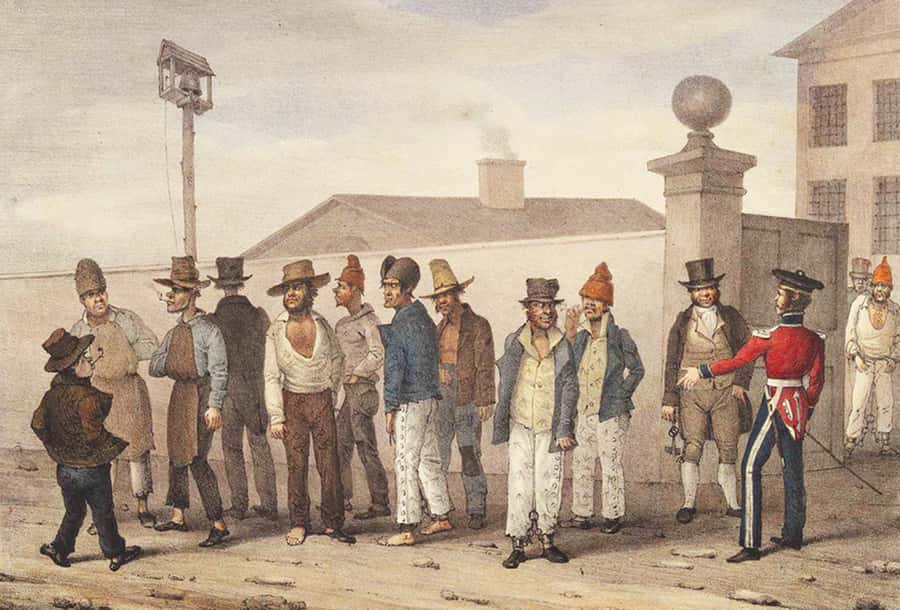
Convict life meets cobblestones in The Rocks. This 2.5-hour walk turns Sydney’s harbor edges into a story you can follow, starting at Customs House and ending by Argyle Cut. I especially like how the guide uses clear, story-driven explanations and picture handouts, so you see the people behind the buildings, not just the buildings themselves.
I also like the way the tour keeps context tight, including the role of convict transportation and its impact on Indigenous communities at the turn of the 19th century. One consideration: The Rocks is hilly and stair-heavy in spots, so if walking long distances and handling steps is an issue, this is not the best fit.
In This Review
- Key highlights that make this tour worth your time
- Getting your bearings at Customs House Library
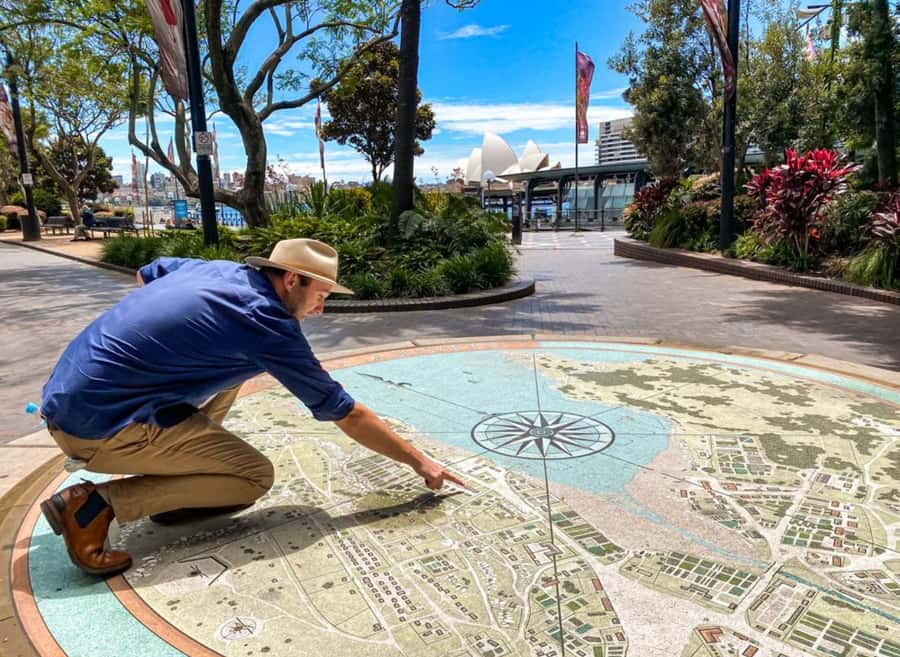
- Circular Quay and Macquarie Place Park, the harbor story in motion
- The Rocks on foot: cobblestones, sandstone, and convict-era secrets
- Argyle Stores and Argyle Cut: seeing the finish line through new eyes
- Pacing, shoes, and the adult themes you should expect
- Price and value for $36, what you actually get
- Should you book this Sydney Convicts and The Rocks walk?
- FAQ
- Where is the meeting point for the tour?
- How long is the Sydney Convicts, History & The Rocks walking tour?
- What is included in the ticket price?
- Where does the tour finish?
- What language is the live tour guide?
- Is this tour suitable for children?
- Is the tour accessible for people with mobility impairments?
- Are pets, strollers, or large bags allowed?
- What should I bring if the weather is wet?
Key highlights that make this tour worth your time
- Customs House start point: you begin where the harbor and official colony life meet.
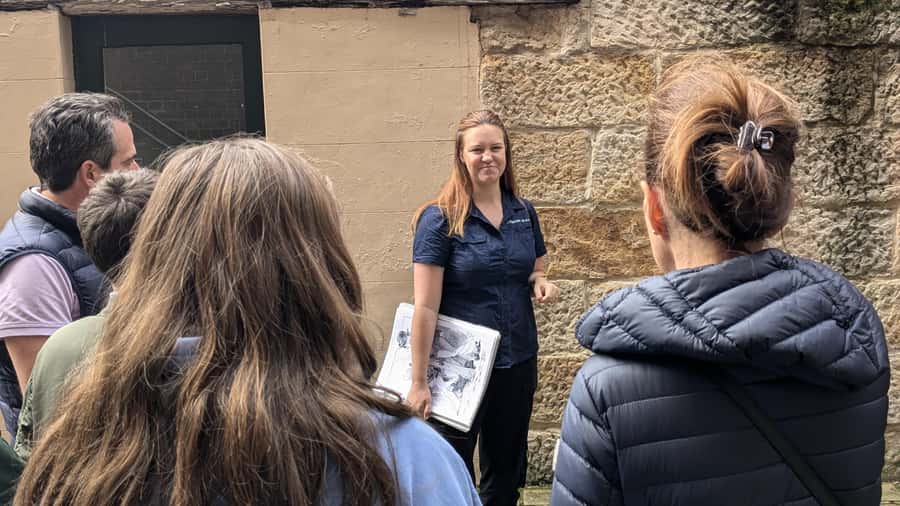
- Picture-supported storytelling: guides often bring an A3-style picture folder to help you connect faces and places.
- Rum, gangs, and convict economy: you get the street-level angle behind the official history.
- Sandstone and architecture you can touch: Georgian and Victorian features show up in the alleys and building edges.
- Hidden space storytelling: expect references to corridors, cut sandstone, abandoned slums, and cellars for stores or spirits.
- Ends at Argyle Cut: the finish gives you a last “look back” moment over the Rocks’ rough-and-real geography.
Getting your bearings at Customs House Library
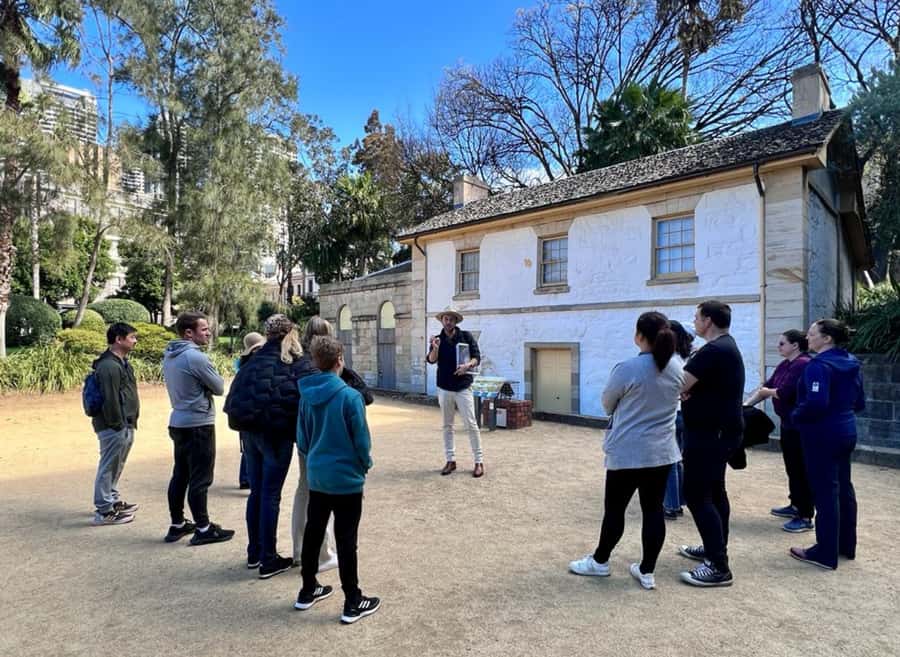
You meet in front of the Customs House building, on the right-hand side if you’re facing it, outside. It’s a smart start. Before you even hit The Rocks lanes, the setting reminds you this was always a working harbor town, with ships, paperwork, and the movement of people and goods.
This first leg is short, about 15 minutes, but it matters because it frames the tour’s core idea: early Sydney wasn’t just a romantic coastline. It was a small system trying to function under pressure, and convict labor sat at the center of that. Customs House is tied to the colony’s official side, so your guide can contrast the government world with the darker, grittier side that developed close by.
A big plus here is the guide’s tone. From what I’ve seen in the way tours are led, guides like Bec, Max, and Pete tend to keep the pace humane and the explanations practical. If you’ve ever felt bored by “standing in a square and talking,” don’t worry. The route is built for walking, and the stories are aimed at making you look at details you would normally pass.
If you want this tour to do its job, arrive on time, and bring a bottle of water. You’ll be moving from early-harbor context into the older lanes of The Rocks, where the city gets more layered the closer you get.
More History Tours in Sydney
- Sydney: The Rocks 90-Minute History Walking Tour
★ 4.7 · 1,092 reviews - Sydney The Rocks Historical Pub Tour
★ 5.0 · 251 reviews - Historical True Crime Walking Tour of East Sydney
★ 5.0 · 53 reviews
Circular Quay and Macquarie Place Park, the harbor story in motion
The second stop at Circular Quay runs about 25 minutes. This is where you start connecting history to geography. The quay is the easiest place to imagine ships coming and going. And that matters, because convict transportation is not an abstract concept. It was a repeated process of arrival, processing, and labor allocation, and the harbor is the physical reason the whole system worked.
Circular Quay also gives you those “now I get it” views. You’re looking across the waterfront at the city as it is today, but your guide is pointing out how that same shoreline would have felt different when the colony was young and the settlement was still finding its feet.
Then you head to Macquarie Place Park for about 20 minutes. This stop helps you slow down and understand leadership, ambition, and how the colony tried to shape its image. One of the tour’s recurring themes is an ambitious governor who wanted to decorate the prison settlement. That detail is the kind of odd contradiction that makes the whole era feel real. It’s not only punishment. It’s also control, administration, and image-making.
Macquarie Place Park is also a breathing point. Even if you’re not into architecture, it gives you a moment to orient yourself so The Rocks later does not feel like one long maze. When the tour reaches the older streets, you’ll recognize the direction of things because you were given the “why here, why now” context earlier.
The Rocks on foot: cobblestones, sandstone, and convict-era secrets
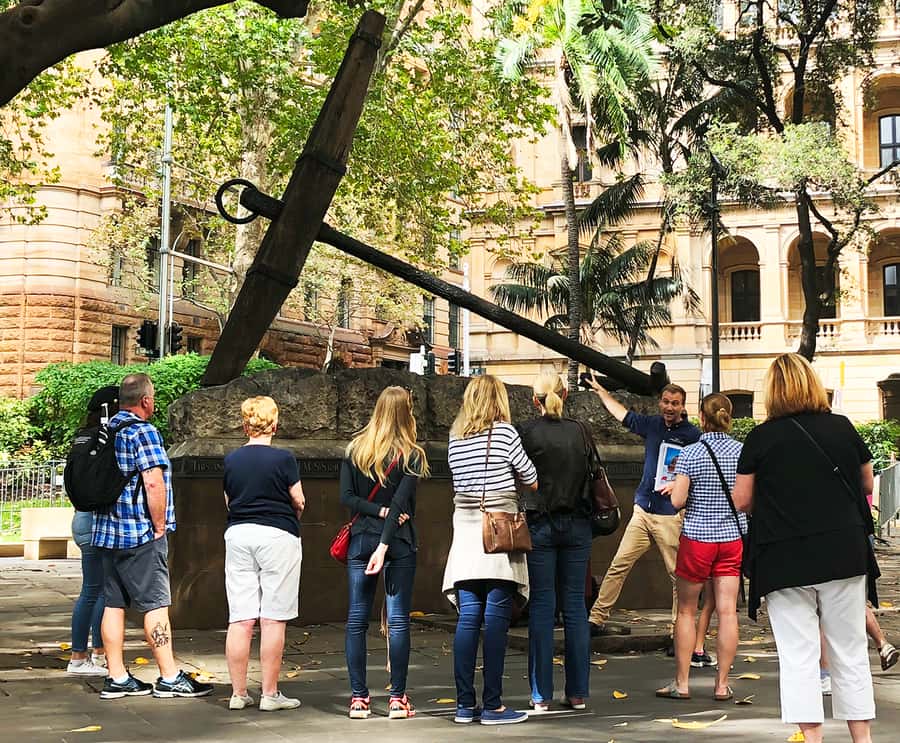
The heart of the experience is The Rocks section, about 75 minutes. This is the part you’ll remember after you’ve left the area. You start winding through cobblestone alleyways and heritage lanes, and suddenly the history becomes visual.
You’ll hear about notorious rum dealers and street gangs, which adds a street-level layer. It’s not just about crimes and punishment. It’s about commerce, supply chains, and how people built power in a rough colony economy. The guide also walks you through the convict transportation story and how it affected Indigenous communities around the turn of the 19th century. This is serious subject matter, and the tour includes adult themes as well as names or images of people who are now deceased, so it’s worth mentally preparing before you go.
Here are the kinds of details you’re likely to focus on in The Rocks:
- Georgian and Victorian architecture: you learn what to look for beyond the obvious facades.
- Hidden corridors and lesser-known spaces: you get clues that buildings were designed for more than public-facing life.
- Convict cut sandstone: a material detail that turns into a human one, because stone and labor go together in that era.
- Abandoned slum references and enormous cellars: the tour points toward how storage and the underground economy likely worked, including spirits and supplies.
Two story threads are especially memorable in this kind of walk. First, the case of the convict architect. It takes the idea of “just a prisoner” and shows how skills could shape buildings and influence how the settlement developed. Second, the tale of a teenage girl who rose from chains to riches by conquering Sydney’s economy. That story cuts against the stereotype of convict life as only degradation. It shows movement, opportunity, and how the colony’s rules could be bent by someone sharp enough to bend them back.
Guides often support these stories with visuals. People mention guides using picture handouts, and I like that approach because it keeps your imagination working without leaving you to guess what they mean.
One practical note for this section: some stairs are unavoidable, and The Rocks is uneven. Wear shoes you trust. If it’s wet, the tour continues, so you’ll want traction and rain gear.
Argyle Stores and Argyle Cut: seeing the finish line through new eyes
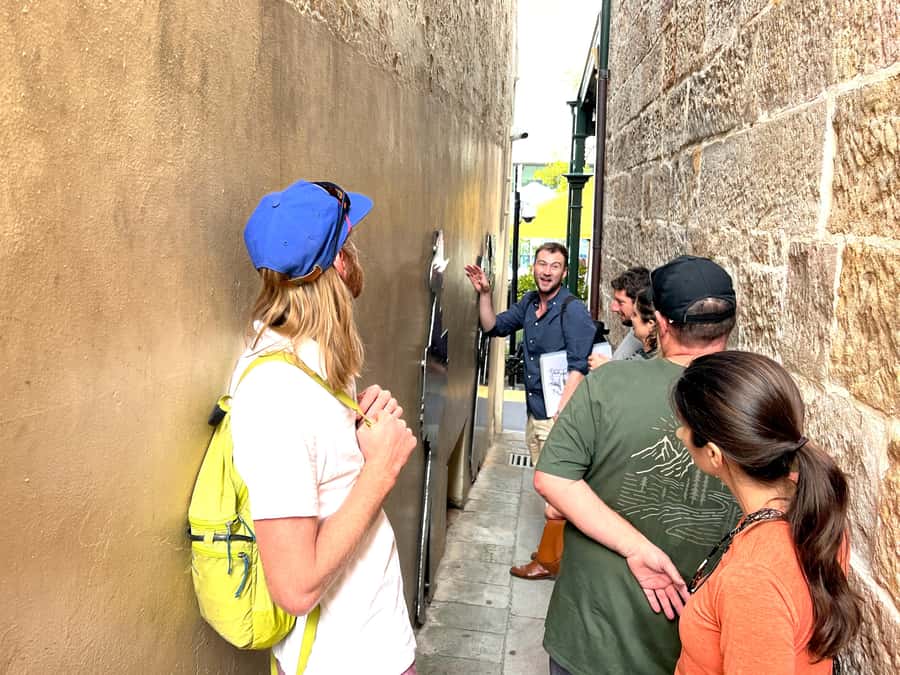
The tour includes entry into historic buildings such as Argyle Stores and Customs House, and it finishes at Argyle Cut. That ending choice is clever. Argyle Cut is a reminder that The Rocks was shaped by human need, not by postcard perfection. When you reach the finish, you’re not done learning yet. You’re ready to look back at the route and spot the places your guide talked about, even if you missed a detail in the moment.
Argyle Stores is particularly valuable because it adds interior context. Outdoors, you can admire stone, streets, and building lines. Inside, you start to understand how the spaces were used, how storage and trade fit into the convict-era economy, and why certain building types show up where they do.
I also like the way the tour wraps up with practical local pointers. Included is an insider guide to local historic pubs, heritage architecture, and discovery museums. That’s not just “where to drink.” It’s how to keep building your Sydney understanding after you leave the group.
A good last step for you: after the tour, take a few minutes on your own at Argyle Cut and look at the terrain. Then connect it to the stories you heard about labor, building, and movement through the settlement. It’s the kind of finishing moment that makes the whole walk feel like more than a route. It feels like a map of cause and effect.
More Walking Tours in Sydney
- Sydney Opera House Official Guided Walking Tour
★ 4.5 · 3,770 reviews - From Sydney: Blue Mountains Tour with Waterfall Walk & Lunch
★ 4.8 · 2,400 reviews - Sydney The Rocks Guided Walking Tour
★ 5.0 · 1,546 reviews - Blue Mountains Small Group Tour with Waterfall Walk & Fresh Lunch
★ 5.0 · 628 reviews
Pacing, shoes, and the adult themes you should expect
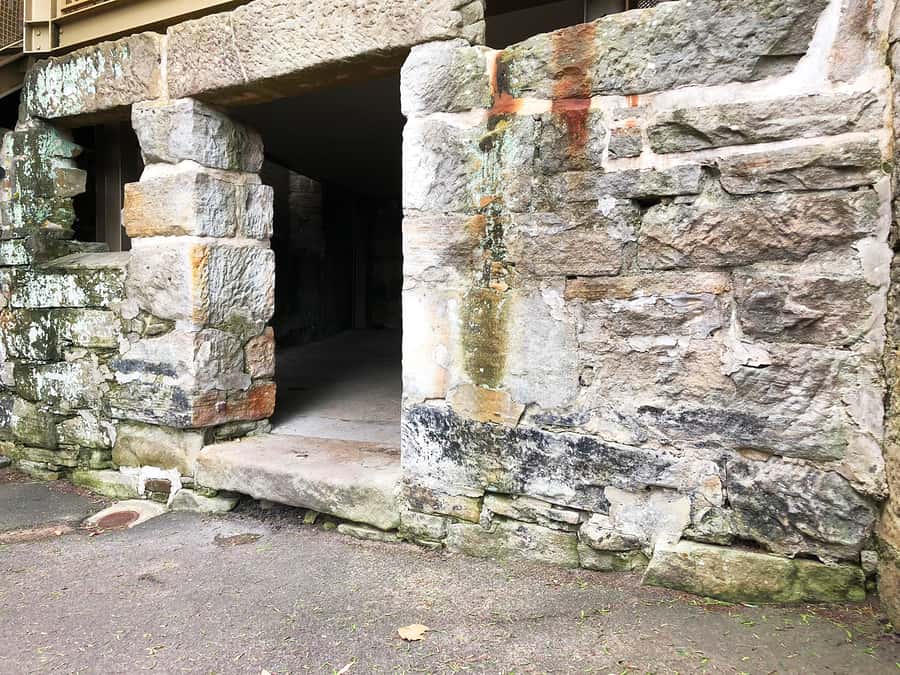
This is a walking tour of about 150 minutes, so plan on a solid, but not exhausting, time on your feet. The route is built for people over 14 because the themes include crime, punishment, and other adult concepts. The guide should handle it thoughtfully, but the subject matter is still heavy, especially when discussing the impact on Indigenous communities and the mention of deceased individuals.
The Rocks layout also means stairs. You should expect some steps along the way. If you’re using a mobility aid, this tour is not suitable for people with mobility impairments. Even if you can walk some distances, the mix of uneven ground and unavoidable stairs can make it stressful.
What you can control:
- Wear comfortable walking shoes you can grip on wet stone.
- Bring water, especially on warmer days.
- Bring an umbrella or raincoat, because the tour continues in wet or wild weather.
The tone of the guides also matters, and the best-led tours tend to keep you together and respond to questions. I’ve seen guidance praised for listening to the group and answering clearly, including admitting when they do not know something rather than trying to bluff. If you like history but hate being talked at, pick the time that works for you and show up ready to ask questions.
If you’re local, this is still a good choice because The Rocks is the part of Sydney people walk through without reading the details. If you’re visiting for the first time, the tour helps you understand why the harbor area has that layered feeling, where official buildings and rougher street life sit near each other.
Price and value for $36, what you actually get
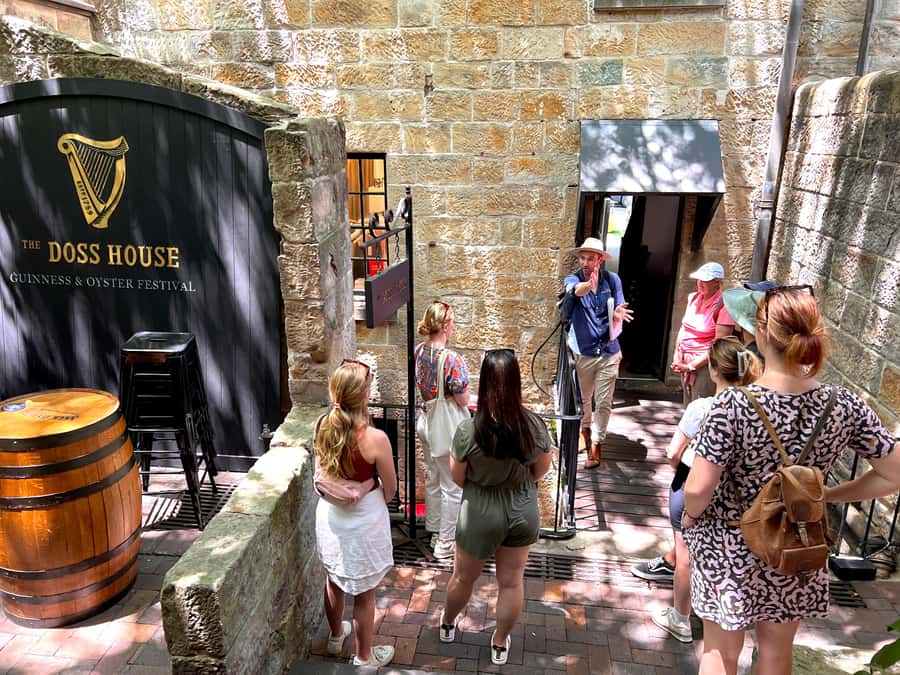
At $36 per person for about 2.5 hours, this is priced as a mid-range walking tour. The main reason it’s good value is that you’re not only walking and hearing stories. You’re also getting entrance into historic interiors, including Customs House and Argyle Stores.
That changes the cost equation. If it were only outdoor narration, $36 might feel steep. But interior access and heritage building storytelling add weight, especially in a place like The Rocks where you can’t always see what’s inside without separate tickets.
You’re also paying for something harder to quantify: a local historian approach. The route is structured around a timeline and a set of themes, including convict transportation, the colony’s economic growth, rum dealing, and the way architecture reflects power and labor. Guides like Alex, Max, Bec, and Pete are mentioned for clarity and for keeping the pacing right, so you feel the tour moves with purpose.
Finally, you’re given a set of “next steps” after the tour through insider recommendations for pubs, heritage architecture, and discovery museums. That kind of guidance tends to be worth real money because it prevents wasted time hunting for the right places yourself.
If you love walking tours and you want something more specific than generic “history of Sydney,” this is one of the better uses of two and a half hours in the city center.
Should you book this Sydney Convicts and The Rocks walk?
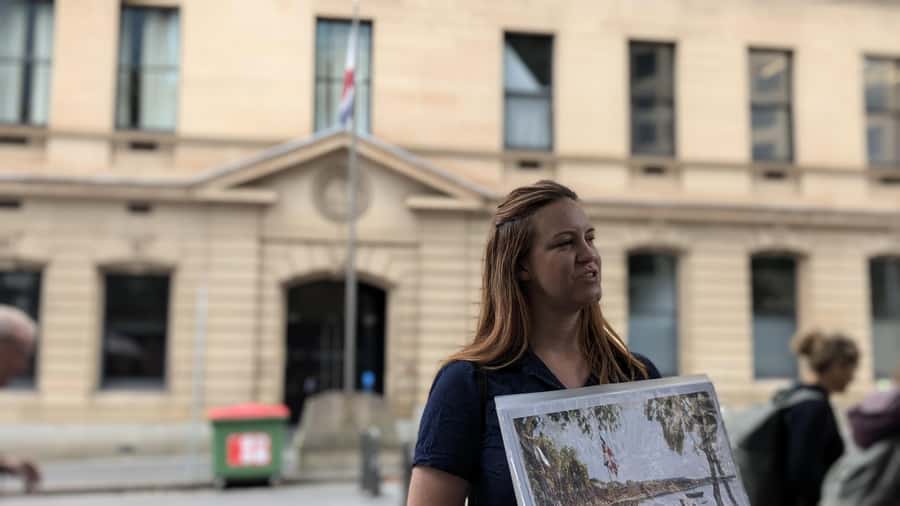
Book it if you want Sydney’s origin story told through real streets, buildings, and the messy in-between world of convict labor, commerce, and survival. The Rocks is visually rich, but this tour helps you read it. You’ll come away with a stronger sense of how the colony worked and why this neighborhood looks the way it does.
Skip it if you need a fully accessible route, because stairs are unavoidable and the tour is not suitable for mobility impairments. Also skip or reconsider if you’re sensitive to adult themes and references to people who are now deceased, including Indigenous history topics.
If you’re choosing just one Rocks tour, this one is a strong candidate because it combines harbor context at the start, the architectural and convict stories in the middle, and a finish at Argyle Cut that helps everything click.
FAQ
Where is the meeting point for the tour?
Meet your guide in front of the Customs House building, on the right-hand side if you are facing the building, outside.
How long is the Sydney Convicts, History & The Rocks walking tour?
The tour lasts about 150 minutes, or roughly 2.5 hours.
What is included in the ticket price?
The tour includes guided time with a local historian, entrance into historic buildings such as Argyle Stores and Customs House, and an insider’s guide to local historic pubs and heritage sites.
Where does the tour finish?
The tour finishes at Argyle Cut.
What language is the live tour guide?
The tour is conducted in English.
Is this tour suitable for children?
It is most suitable for people older than 14 years old because it involves adult themes and concepts.
Is the tour accessible for people with mobility impairments?
No. It is not suitable for people with mobility impairments, and some stairs are unavoidable.
Are pets, strollers, or large bags allowed?
Pets are not allowed (assistance dogs are allowed). Baby strollers are not allowed, and luggage or large bags are not allowed.
What should I bring if the weather is wet?
Wear comfortable walking shoes and bring a bottle of water. If the weather is wet or wild, bring an umbrella or raincoat since the tour will continue.
More Historical Tours in Sydney
- Sydney Historical Walking Tour including The Rocks
★ 4.6 · 20 reviews - Ultimate Melbourne Walking Tour: History, Laneways & Culture
★ 5.0 · 1,451 reviews - Puffing Billy Railway: Heritage Steam Train Journey
★ 4.6 · 1,195 reviews - Morning World Heritage Cruise on the Gordon River from Strahan
★ 5.0 · 1,193 reviews
Newest Sydney reviews on the site
- Taronga Zoo Sydney Wild Australia Experience★ 4.8 · 64 reviews
- Sydney Harbour: Tall Ship Lunch Cruise★ 4.8 · 69 reviews
- Sydney: Flexi Pass – Pick 3, 5 or 7 Experiences★ 3.3 · 15 reviews
- Sydney Whale Watching Cruise with Breakfast or Lunch★ 4.4 · 340 reviews
- Sydney: Spirits of the Rock and Dark Past Walking Tour★ 4.0 · 144 reviews
- Sydney: Whale Watching Cruise and Taronga Zoo Package★ 4.2 · 37 reviews
- Sydney: Ultimate City Pass for 4 Attractions with Skywalk★ 4.4 · 60 reviews
- Sydney: 2.5 hour Adventure Whale Watching Cruise★ 4.5 · 17 reviews
Historical Tours, compared.
Ultimate Melbourne Walking Tour: History, Laneways & Culture
Read our review →
Puffing Billy Railway: Heritage Steam Train Journey
Read our review →
Morning World Heritage Cruise on the Gordon River from Strahan
Read our review →
Strahan: World Heritage Cruise on Gordon River with Lunch
Read our review →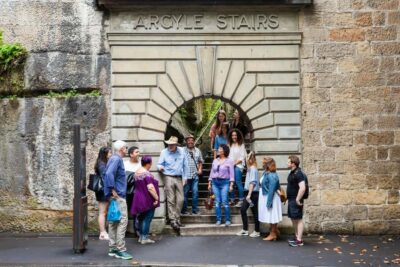
Experience History onboard The Mary Valley Rattler
Read our review →
Snorkel & Dive the Reef: Sustainable, Scientific & Cultural Tour
Read our review →
Derwent River Historic Harbour Cruise From Hobart
Read our review →Browse the lists this tour appears in