
Reviewed · HISTORICAL TOURS
Ultimate Melbourne Walking Tour: History, Laneways & Culture
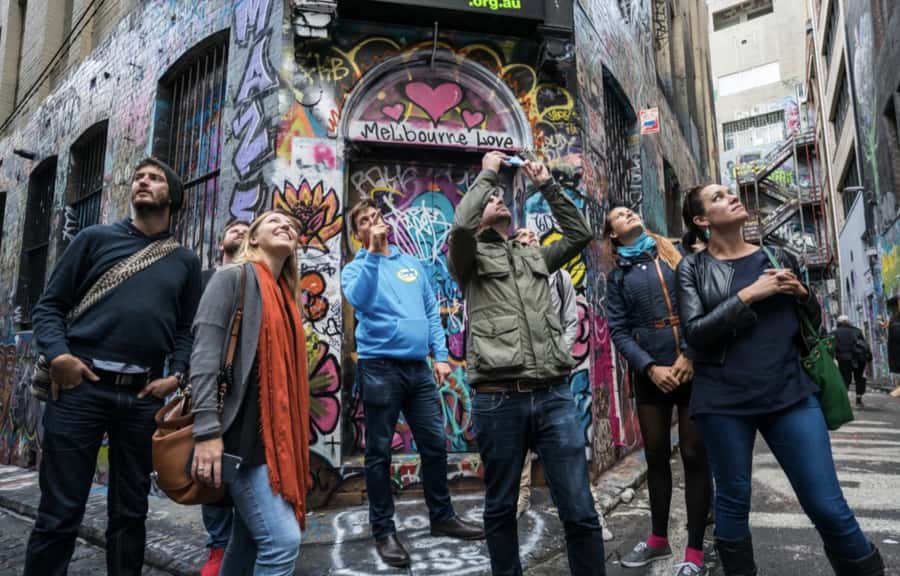
Laneways and history in one easy walk. This small-group walking tour threads Melbourne’s big-name sights with the side streets locals actually talk about, plus stories you are unlikely to hear from a standard city brochure. You’ll cover places like Federation Square, Hosier Lane (when the route allows), Old Melbourne Gaol, and the Yarra River, all at a relaxed pace designed for getting your bearings fast.
I love the built-in breaks that keep it human, especially the complimentary coffee at Degraves Street and the final drink at Captain Melville. I also like how the guide leans into practical trip advice, not just facts, so you leave with ideas for what to do next. One thing to consider: you do need to stay reasonably close to the guide, since some commentary is easy to miss if you drift behind.
In This Review
- Key highlights and what they mean for you
- Why this 3-hour Melbourne walk is a great first move
- Price and what you’re really paying for at $92.52
- Meeting at Spring Street, then starting with views from Hotel Windsor
- Gold Rush architecture at the Old Treasury Building
- Collins Street: where Melbourne flexes its financial and shopping muscle
- The laneways and street art: Duckboard Place, AC/DC Lane, and Hosier Lane when the route allows
- Federation Square and the modern heart of Melbourne
- Views of the MCG, then Flinders Street Station in full “Melbourne postcard” mode
- Degraves Street: coffee culture plus a proper break
- The Block Arcade and Royal Arcade: history you can walk through
- Little Collins Street: hidden bars and the laneway in-between vibe
- A quick run through Bourke Street Mall before State Library Victoria and Ned Kelly
- Down to the Yarra River: a calmer stretch that helps the walk land
- Old Melbourne Gaol: bluestone prison walls and the weight of 1845-1929
- Chinatown: a long-running food and culture stop
- Captain Melville finish: a laid-back end plus a chance to keep the night going
- Who should book this tour, and who might skip it
- Should you book? My take on the yes/no decision
- FAQ
- How long is the Ultimate Melbourne Walking Tour?
- Where do you meet and where does the tour end?
- What time does the tour start?
- Is there a mobile ticket?
- What is included in the price?
- How many people are in the group?
- Does the route include street art lanes?
- What historic sites are on the route?
- Is the tour suitable for children?
- Can I cancel and get a full refund?
Key highlights and what they mean for you
- Small group size (max 12) keeps the walk from feeling like a cattle drive and makes Q&A easier.
- Laneway street art focus targets areas like Duckboard Place and AC/DC Lane, with a day-dependent chance to hit Hosier Lane.
- Two included drinks (hot drink plus an alcoholic beverage or soft drink) make the price feel more realistic.
- A “main sights plus back streets” route helps you connect Melbourne’s layout, not just check boxes.
- Architecture stops you can’t easily appreciate from inside a train or taxi (arcades, gaol walls, grand civic buildings).
Why this 3-hour Melbourne walk is a great first move

Melbourne has layers, and this tour does a smart job of showing them quickly. In about 3 hours, you get a concentrated mix of colonial-era landmarks, downtown shopping streets, and the famous street art lanes that made the city a global Instagram magnet.
The walking style also matters. You do not bounce around in a vehicle. You move block by block, which means you can actually notice details, like façade shapes, arcade design, and how laneways funnel people from one busy street into another calmer world.
More History Tours in Melbourne
- Ultimate Melbourne Walking Tour: History, Laneways & Culture
★ 4.8 · 338 reviews - Melbourne Historical Walking Tour: Crime, Gangsters & Lolly Shops
★ 5.0 · 137 reviews - Melbourne’s History with a Drink Tour
★ 5.0 · 81 reviews
Price and what you’re really paying for at $92.52
At $92.52 per person, it is not the cheapest way to see Melbourne. But you are also buying more than a route. You get a professional local English-speaking guide, plus a complimentary hot drink and a complimentary alcoholic beverage (or soft drink).
That combination changes the math. A guided walk with a drink tends to cost more in other major cities, especially when it includes targeted stops like old arcades, a historic prison, and Chinatown. Here, the value comes from the time efficiency and the guide’s storytelling, not from trying to cram in ten bus rides and a queue.
Also, the group stays small, up to 12 people. When you pay for a guide-led experience, small group size is one of the best indicators that you will hear the commentary and not just stare at your shoes.
Meeting at Spring Street, then starting with views from Hotel Windsor
The tour starts at 108 Spring Street, East Melbourne, with an 11:00 am kickoff. You end near Captain Melville Bar at 34 Franklin Street, so the day naturally finishes in a social zone where you can keep exploring without planning your next hop.
Your first stop is Gordon Reserve, opposite the historic Hotel Windsor. This is not a random warm-up. It’s a chance to look out toward the Victorian state government seat and take in the colonial architecture before you drift into Melbourne’s commercial heart.
That early “see the big picture” moment is one reason this walk works for first-timers. You get context, then the rest of the route feels more connected.
Gold Rush architecture at the Old Treasury Building
Next you visit the Old Treasury Building, a key slice of Melbourne’s Gold Rush wealth story. This is the kind of building you might glance at if you were rushing from one stop to another, but on a tour like this, the guide can point out why the architecture was such a statement.
The practical win here is timing. The stop is short, about five minutes, so you get the overview without losing momentum. You also get a reason to look up at details, not just walk past them.
If you are the type who likes to photograph buildings, this is one of those stops that makes your pictures look better even after sunset, because the façades are built for character.
More Walking Tours in Melbourne
- Great Ocean Road Tour Plus Koalas, Forest Walk and Morning Tea
★ 4.5 · 1,068 reviews - Great Ocean Road 12 Apostles & Rainforest Walk with Morning Tea
★ 4.5 · 549 reviews - Melbourne Foodie Discovery Walking Tour
★ 5.0 · 530 reviews - Original Melbourne Lanes and Arcades Walking Tour
★ 5.0 · 389 reviews
Collins Street: where Melbourne flexes its financial and shopping muscle
From there, you head to Collins Street, Melbourne’s premium shopping and financial district. Even if you do not plan to shop, it’s worth paying attention to the historic buildings and the sense of scale.
This stop is brief, about two minutes, so think of it as a visual transition from government-civic grandeur into the commercial downtown grid. It sets you up for the laneways later, because you start to notice how the city turns from “big street” to “small street” so quickly.
The laneways and street art: Duckboard Place, AC/DC Lane, and Hosier Lane when the route allows

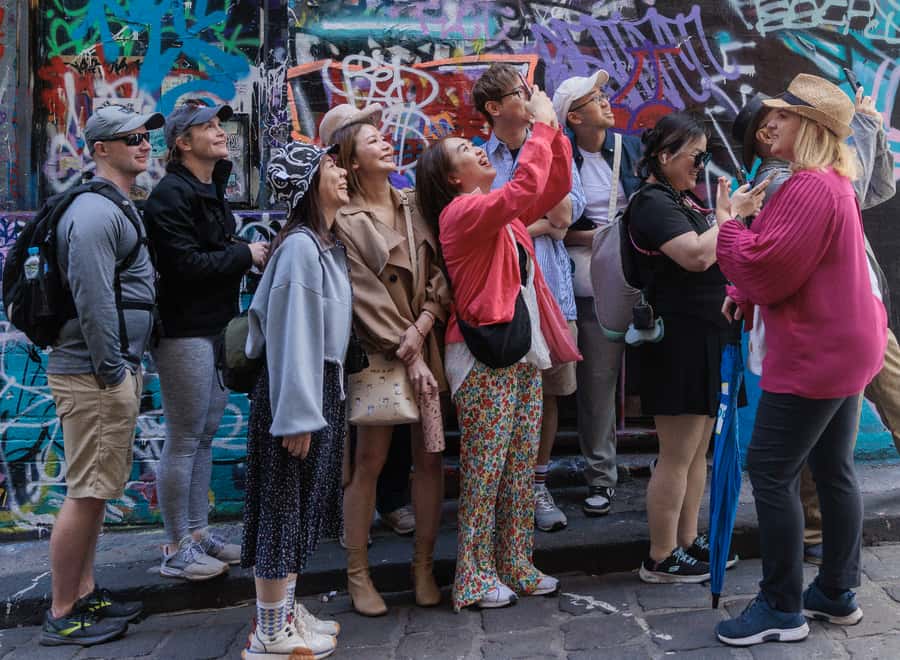
This is the part most people come for, and it’s handled well. You spend time in Melbourne laneways, including Duckboard Place and AC/DC Lane, where street art and rock-and-roll murals mix with the feeling of wandering off the planned map.
There is a real benefit to stopping in specific laneways instead of just saying “look at street art.” The art changes constantly, but the lanes themselves have distinct moods and sightlines. Duckboard Place feels like a narrow detour you stumble into. AC/DC Lane gives you the sense of a themed outdoor gallery.
Depending on the day, the route may also include Hosier Lane, Melbourne’s most famous street art destination. If the tour hits it, you get that iconic baseline view, then you can compare it to what you saw in the other lanes.
One small tip for making this section more fun: slow down. Street art rewards close looking, and the guide’s stories make those details easier to understand.
Federation Square and the modern heart of Melbourne
After the laneway vibe, you shift to Federation Square. This is Melbourne’s main cultural square and a signature modern architectural landmark. The stop is about ten minutes, long enough to orient yourself and notice how the space feels when crowds gather.
This is also where you start connecting themes. Melbourne’s culture is not only in museums. It spills into public squares, performance spaces, and the daily flow of people.
If you want a short-term plan after the tour, Federation Square is a smart anchor. It’s central, and your later choices for food, galleries, or events become easier when you understand where this square sits.
Views of the MCG, then Flinders Street Station in full “Melbourne postcard” mode
Next comes a quick look at the Melbourne Cricket Ground (MCG) from a distance. You’re not touring the stadium interior here. You’re getting that famous sports precinct perspective, which is useful because Melbourne is a city that treats sport like civic identity.
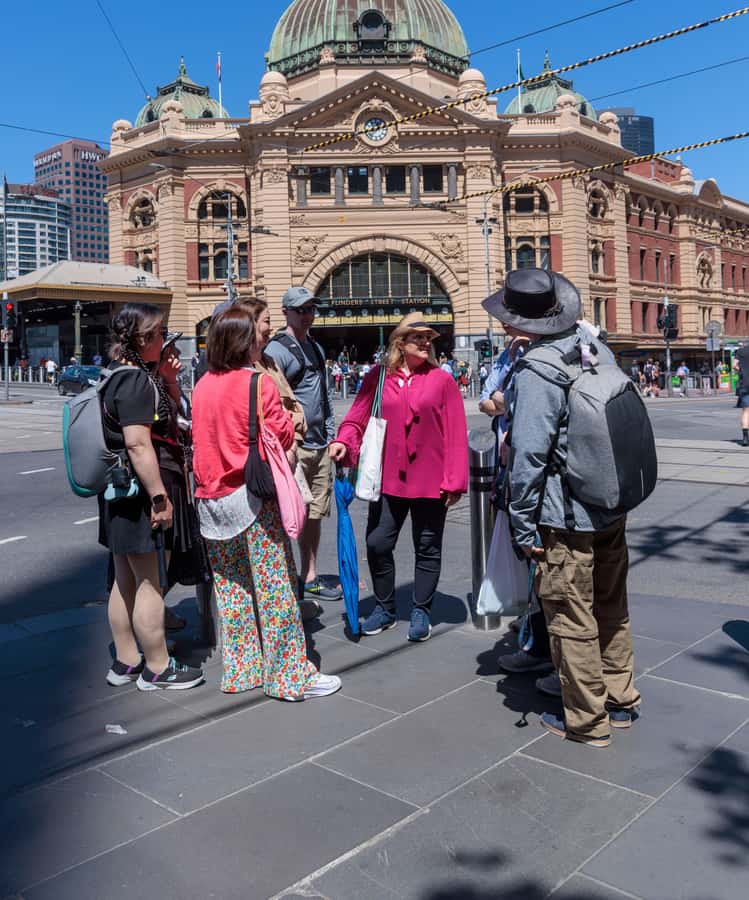
A couple minutes later, you reach Flinders Street Station, one of the most recognizable landmarks in Australia. The station is famous for a reason. Even if you have seen photos, standing near it makes you understand why it’s become a visual shorthand for the city.
This pair of stops also gives a neat contrast. One is big-sport scale. The other is transport and daily rhythm. Together, they help you understand how Melbourne moves.
Degraves Street: coffee culture plus a proper break
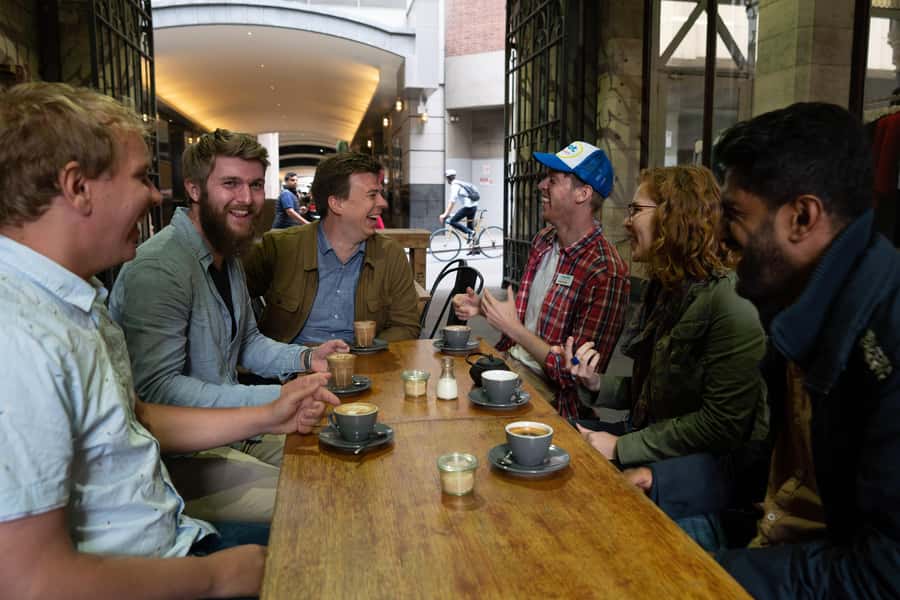
Then you hit Degraves Street, and the tour wisely gives it the time it deserves, about twenty minutes. This lane is known for its café culture and that European-style dining atmosphere, with lots of places to sit, people-watch, and grab a second coffee later.
The included complimentary hot drink is a real perk. You can choose a flat white, long black, or hot chocolate, and it’s served at a renowned local café. This is the kind of mid-walk recharge that makes the rest of the route feel lighter.
If you need a practical strategy, use this stop to take a quick break from standing and just reset your energy. It’s also a good point to ask the guide where to go next, because you have fresh context for which neighborhoods you already understand.
The Block Arcade and Royal Arcade: history you can walk through
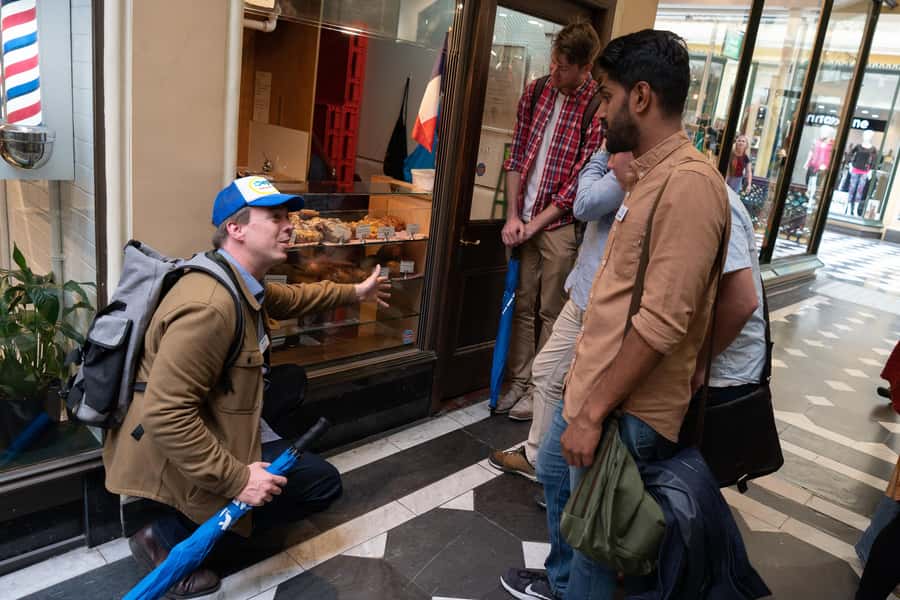
Now you move into Melbourne’s arcade tradition. First is The Block Arcade, with its historic Victorian shopping arcade feel and mosaic floor. This is one of those places that looks beautiful in motion, but it also rewards stillness, especially if you are walking slowly enough to notice the details.
Then you visit Royal Arcade, described as Australia’s oldest arcade and known for the famous Gog and Magog mythical figures. Even if you do not know the legend, seeing the characters in person gives you something memorable to connect to the city’s older layers.
Arcades are also strategically useful on a walking tour. They are sheltered, calmer than the main streets, and they break up the city noise while still moving you forward.
Little Collins Street: hidden bars and the laneway in-between vibe
Next you’re guided to Little Collins Street, known for hidden bars and boutique laneways. This is short, about five minutes, but it gives you a taste of how Melbourne’s nightlife and dining can be tucked one step away from the main road.
If you are planning your evenings, this stop is helpful. It hints at the difference between a tourist-friendly street and the lanes where locals pick a spot without making it a production.
A quick run through Bourke Street Mall before State Library Victoria and Ned Kelly
Bourke Street Mall is next, a primary shopping precinct and pedestrian mall. It’s a short stop, about three minutes, and it works like a downtown reset button. You walk through the energy of the main pedestrian zone, then you transition into something quieter and more historic.
After that, you reach State Library Victoria. Here, the guide brings in the story of Ned Kelly, one of Australia’s most famous figures. You do not need to be a history buff to appreciate this moment, because the library’s heritage building backdrop does half the work for you.
This stop also offers a strong “why it matters” angle. Libraries and archives shape what a city remembers, and Melbourne leans into that through public storytelling.
Down to the Yarra River: a calmer stretch that helps the walk land
You then move to the Yarra River, walking along the riverbanks for about five minutes. This section is short, but it gives your body a break from hard city sidewalks and gives your mind a breather.
It’s also useful for photos, even in ordinary light. River edges create natural leading lines, and the skyline contrast makes the shot look like Melbourne even when you are not in a famous landmark position.
Old Melbourne Gaol: bluestone prison walls and the weight of 1845-1929
Next is Old Melbourne Gaol, a historic bluestone prison that operated from 1845-1929. The stop is brief, about three minutes, but it’s one of the route’s more emotionally serious moments.
This is a good checkpoint for balance. Melbourne is often marketed as fashion, coffee, and street art. Here, you see the city’s harder edge, where the stone itself tells you that the past was not just decorative.
If you prefer stories that have consequences, this is one stop you will remember after the laneway photos fade.
Chinatown: a long-running food and culture stop
Then you reach Chinatown, described as the world’s oldest continuously operating Chinatown. The tour gives it about five minutes and keeps it focused on the sense of place and what you can do if you want to eat afterward.
You get enough time to imagine your next meal without forcing you into a long food crawl. The included experience is more about orienting you, then letting you choose restaurants on your own terms.
If you like browsing and snack-hunting, this stop works well because you can quickly identify what kind of dining atmosphere you want later.
Captain Melville finish: a laid-back end plus a chance to keep the night going
Finally, you end at Captain Melville Bar at 34 Franklin Street. This stop is about twenty minutes, which is generous compared with many walking tours that end in a hurry.
You also get a complimentary alcoholic beverage (house beer, wine, cider) or a soft drink. It’s a nice way to turn “tour time” into “real life” time, and it gives you a natural place to regroup, talk, and ask last-minute questions.
This ending zone is useful because it’s close to other parts of the CBD. When you finish feeling oriented, the rest of the evening becomes much easier.
Who should book this tour, and who might skip it
Book it if you want an efficient, guide-led way to understand Melbourne’s core neighborhoods in three hours, plus the street art and coffee culture that define so much of what people talk about.
You’ll also like it if you enjoy architecture, small-city details, and the kind of “stop here and look up” learning that feels practical. The small-group size (max 12) makes it easier to hear, and the included drinks make it feel like more than just walking.
Consider skipping or choosing a different option if you dislike walking at city pace for a few hours, or if you know you often lose audio when a guide is speaking while you move. For this style of tour, staying close matters.
Should you book? My take on the yes/no decision
I think this is a strong yes for first-time visitors who want a simple plan and real guidance. The price lands better when you factor in the included coffee plus a drink, and the route hits major landmarks, street art lanes, and a historic prison without turning into a marathon.
If you are already a repeat Melbourne visitor, you might treat it as a reminder course, focusing on what changes, especially the laneway artwork. Either way, this walk is built to get you oriented, then give you smart next steps.
FAQ
How long is the Ultimate Melbourne Walking Tour?
It runs for approximately 3 hours.
Where do you meet and where does the tour end?
The tour starts at 108 Spring St, East Melbourne VIC 3002 and ends at 34 Franklin St, Melbourne VIC 3000 at Captain Melville Bar.
What time does the tour start?
The start time listed is 11:00 am.
Is there a mobile ticket?
Yes, the tour features a mobile ticket.
What is included in the price?
You get complimentary Melbourne coffee (flat white, long black, or hot chocolate), and a complimentary alcoholic beverage (house beer, wine, or cider) or soft drink, plus a professional local English-speaking guide, a free Melbourne map, and guided recommendations.
How many people are in the group?
The group is limited to a maximum of 12 travelers.
Does the route include street art lanes?
Yes. You’ll visit laneway street art areas including Duckboard Place and AC/DC Lane, and depending on the day, the route may also include Hosier Lane.
What historic sites are on the route?
Old Melbourne Gaol and State Library Victoria are included, with Ned Kelly’s story mentioned at the library.
Is the tour suitable for children?
Children must be accompanied by an adult.
Can I cancel and get a full refund?
You can cancel for a full refund if you cancel up to 24 hours in advance of the experience start time. If you cancel less than 24 hours before, the amount paid is not refunded.
More Historical Tours in Melbourne
- Melbourne: History and Donuts Walking Tour
★ 4.9 · 72 reviews - Melbourne: City`s History and Unique Bar Scene Tour
★ 4.7 · 19 reviews - Puffing Billy Railway: Heritage Steam Train Journey
★ 4.6 · 1,195 reviews - Morning World Heritage Cruise on the Gordon River from Strahan
★ 5.0 · 1,193 reviews
Newest Melbourne reviews on the site
- Melbourne: 3-Hour Foodie Discovery Walking Tour★ 4.9 · 313 reviews
- Melbourne: Ghosts of Williamstown Guided Ghost Walking Tour★ 4.4 · 47 reviews
- Taste of Melbourne: Local Laneways, Boroughs, Bites & Brews★ 4.8 · 23 reviews
- St Kilda: Group Lesson for Stand-Up Paddleboarding★ 4.9 · 8 reviews
- Melbourne: Spirit Of Melbourne Yarra River Lunch Cruise★ 4.9 · 65 reviews
- Sorrento: Dolphins & Seals Snorkeling Cruise w/ Lunch★ 4.1 · 52 reviews
- Melbourne: Great Ocean Road Ultimate 12 Apostles with Lunch★ 4.5 · 272 reviews
- Puffing Billy, Healesville Sanctuary & Chocolatier★ 4.8 · 9 reviews
Historical Tours, compared.
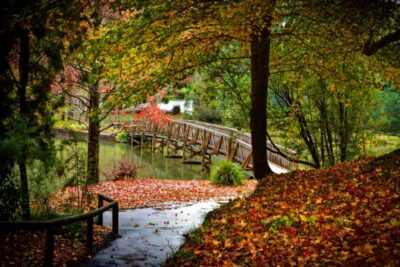
Puffing Billy Railway: Heritage Steam Train Journey
Read our review →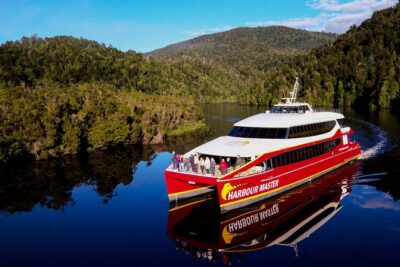
Morning World Heritage Cruise on the Gordon River from Strahan
Read our review →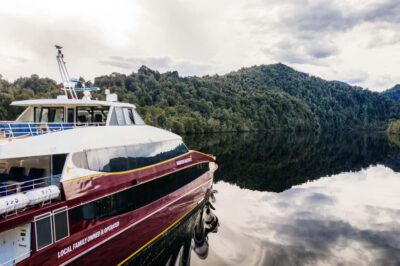
Strahan: World Heritage Cruise on Gordon River with Lunch
Read our review →
Experience History onboard The Mary Valley Rattler
Read our review →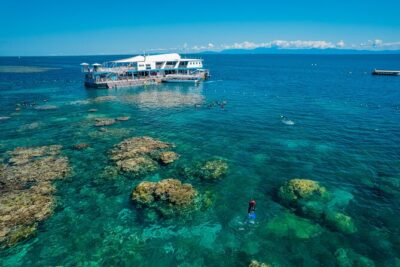
Snorkel & Dive the Reef: Sustainable, Scientific & Cultural Tour
Read our review →
Derwent River Historic Harbour Cruise From Hobart
Read our review →
Port Arthur Historic Site Admission and Tour Options
Read our review →Browse the lists this tour appears in