
Reviewed · GREAT BARRIER REEF CRUISES
Scuba Dive the S.S. Yongala Wreck on the Great Barrier Reef.
The Yongala wreck makes your brain grin. This full-day scuba outing pairs two certified underwater sessions with a world-famous shipwreck, plus all the gear and boat logistics handled for you. I especially like the wreck’s protected status and depth range, and I love that the day includes a Yongala history talk and environmental education. The only real catch to plan around is timing, you start at 7:00am and the surface can be choppy on the way out.
For me, the value is in the “no extra work” setup: round-trip transport from Townsville, tanks and weights provided, lunch on board, and refreshments during the day. If you’re the kind of diver who wants a classic Great Barrier Reef experience without juggling rentals, schedules, or paperwork, this format fits. Just note there are extra mandatory costs for certain experience levels, including a guided requirement for divers with fewer than 15 logged sessions.
In This Review
- Quick, must-know points
- Why the S.S. Yongala wreck is such a big deal
- Price and what you actually get for $350.73
- The day’s schedule: a 7:00am start and a long reef clock
- Getting to the meeting point at Fuel Wharf
- Two open-water underwater sessions on the SS Yongala
- Equipment and comfort: what you bring, what they handle
- Crew style and safety: what to look for before you enter the water
- Marine life highlights: what you’re most likely to see
- Depth limits and extra fees that change the plan
- Who this tour is best for
- Should you book the SS Yongala day out of Townsville?
- FAQ
- What time does the SS Yongala outing start, and how long is it?
- Where is the meeting point in Townsville?
- Is scuba equipment included, or do I need to pack it?
- Do I need certification, and how many logged sessions are required?
- Are there extra fees for less-experienced divers?
- What marine life and seasonal wildlife can I expect?
Quick, must-know points
- UNESCO and protected wreck: The SS Yongala sits in the Great Barrier Reef Marine Park, protected under the Historic Shipwrecks Act (1976).
- Two underwater sessions on one outing: You’re set up for two certified sessions in the same day.
- Depth range, 15m to 29m: Plan gear, comfort, and breathing for a real working-depth wreck profile.
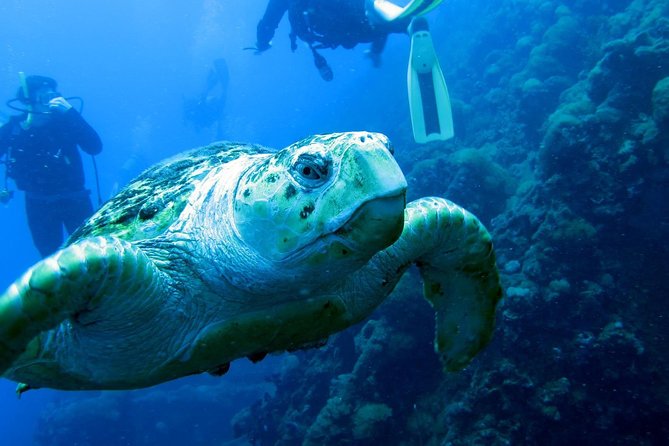
- Marine life chances are high: Expect turtles, rays, sharks, and big-name reef fish, with whales possible in cooler months.
- Small group size: Maximum of 21 travelers on board, which usually helps with organization.
- Experience rules can add fees: Extra guidance may be required if you have fewer than 15 logged sessions, and a deeper add-on may be mandatory if your depth limit is under 18m.
Why the S.S. Yongala wreck is such a big deal
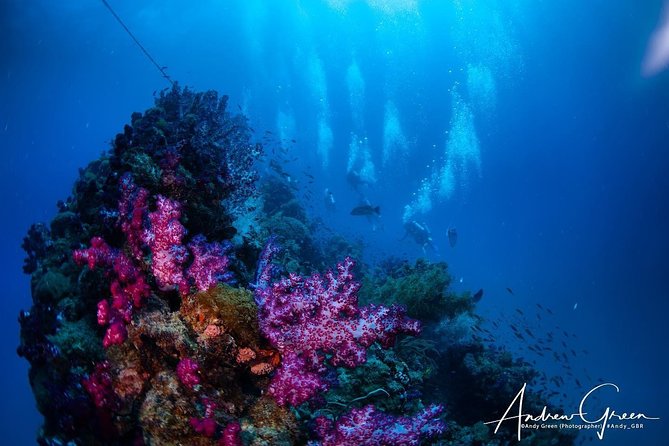
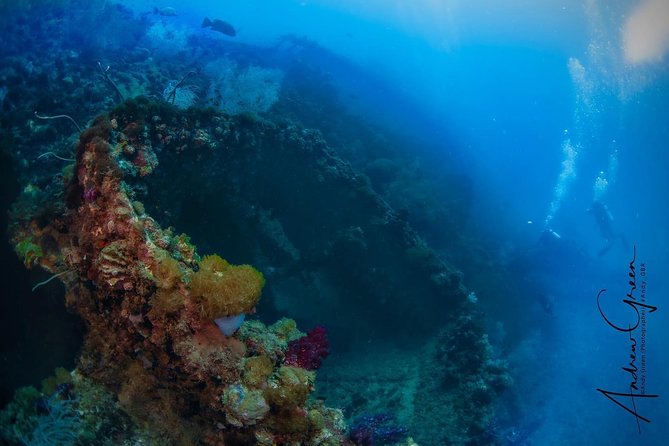
The SS Yongala wreck is one of those Great Barrier Reef icons you hear about for a reason. It’s a large shipwreck that now functions like habitat, drawing in marine life because it’s the main substantial reef structure in the area. You’re not just looking at old metal, you’re swimming through a thriving ecosystem that formed around the wreck over time.
The wreck’s protection is another part of why divers care so much. It’s inside the World Heritage-listed Great Barrier Reef Marine Park and safeguarded under the Historic Shipwrecks Act (1976). Translation: the site is managed, and the goal is to keep it healthy for underwater visitors now and in the future.
Depth matters here. You’ll be working with a range from about 15m down to 29m, so conditions and your personal comfort at those depths affect the whole day. If you’re confident with your buoyancy and neutral trim in open water, you’ll likely find the wreck easier to enjoy.
More reef days out of Townsville:
- Great Barrier Reef Cruise from Townsville or Magnetic Island
★ 4.5 · 101 reviews - Great Barrier Reef and MOUA Cruise from Townsville or Magnetic Island
★ 4.5 · 31 reviews - Great Barrier Reef and MOUA Snorkeling Day Tour from Townsville
★ 4.0 · 19 reviews
Price and what you actually get for $350.73
At about $350.73 per person for the full day, this is not a bargain-basement outing. But the pricing starts to make sense when you break down what’s included and what would cost extra elsewhere.
Included basics that carry real value:
- Round-trip transport from Townsville (the tour notes pickup support for Townsville/Magnetic Island to the wreck area)
- Two certified open-water underwater sessions
- Tanks, weights, and scuba equipment
- Lunch on board plus iced water, cordial, tea, and coffee
- A Yongala history talk and environmental education
So you’re paying for a managed day at sea, not just the underwater time. That matters when you’re dealing with early departures, boat schedules, and reef conditions. The boat portion of the day is usually where your stress comes from on reef tours, and this style of package is meant to remove that burden.
Also, timing can affect your planning. On average, this tour is booked around 36 days in advance, and the maximum group size is 21 travelers, so peak dates can fill. If you’re visiting in whale season or on weekends, booking earlier is the safer move.
The day’s schedule: a 7:00am start and a long reef clock
This outing runs for about 10 hours total and starts at 7:00am from Fuel Wharf in Townsville. You’ll return back to the meeting point when the day ends. The early start isn’t there to torture you, it’s there to line up with weather, water movement, and safe timing for the boat and the sessions.
What you should expect during the morning:
- You meet at the listed address at the start time.
- You’ll get set up for the boat day, which includes checking your certification details.
- You head out with a crew that’s used to managing small groups and multiple sessions.
If you get seasick easily, this is the part to take seriously. The trip description requires good weather, and the surface can be choppy even when conditions aren’t dangerous. Plan to bring any motion-sickness tools you normally use, and keep your expectations realistic about the ride.
Getting to the meeting point at Fuel Wharf
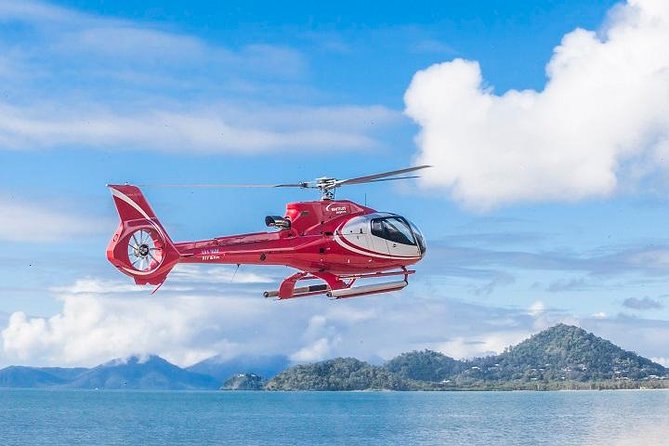
Your start point is very specific: Fuel Wharf, Mariner’s Peninsula Subsidiary No.104, 29 Mariners Dr, Townsville City, QLD 4810. You’ll end back at the same general meeting point.
That sounds simple, but it’s worth treating it like a checklist item. Townsville mornings can move fast, and you don’t want to be hunting for parking or walking blocks with a towel and sun hat in your arms. Show up a little early, even if the tour doesn’t ask for it, so you can settle and get paperwork done without rushing.
A few more Townsville trips to compare
- Great Barrier Reef Snorkeling and Diving Cruise from Cairns
★ 4.5 · 3,714 reviews - Cairns: Premium Snorkelling and Diving Reef Day Trip
★ 4.7 · 1,528 reviews - Cairns: Great Barrier Reef Premium Diving Full Day Tour
★ 4.7 · 792 reviews - Cairns: Best Value All-inclusive Reef Trip With Scuba Dive
★ 4.4 · 307 reviews
Two open-water underwater sessions on the SS Yongala
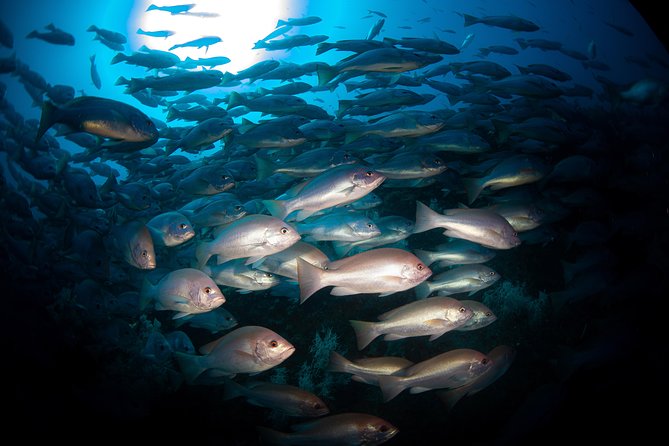
The core of your day is the SS Yongala wreck outing, and you’ll complete two certified open-water underwater sessions as part of the same day. The wreck is the main attraction, and it’s a large enough structure that it can deliver a lot of underwater variety without the need to hop between unrelated sites.
The wreck spans 15m to 29m, so the experience can feel different between your first and second session depending on depth, visibility, and the plan on the day. If you’re newer, your first session is often about getting comfortable with depth and the local conditions. If you’re more experienced, you’ll likely enjoy how the wreck layout provides different viewing angles and swim paths.
One practical note: the tour requires certified divers only, with minimum qualification of Open Water Diver and a requirement of six logged sessions prior to diving this site. That’s not just red tape. With a wreck that sits in the working-depth range, it’s about keeping your skills aligned with the environment you’ll be in.
Equipment and comfort: what you bring, what they handle
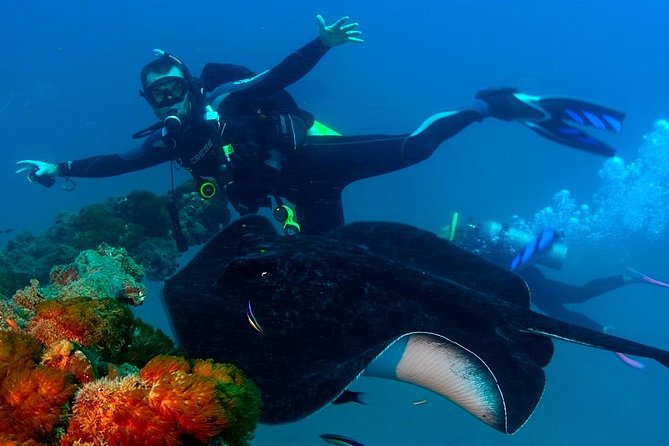
You don’t need to pack scuba gear. The tour includes tanks, weights, and scuba equipment, which is a huge time saver if you’re traveling light.
What you should bring:
- Swimwear (you’ll want to be ready when you get on board)
- A towel
- Hat and sun protection
- A light jumper in cooler months
- Camera, if you want wreck and marine-life photos
This is also a day where the smallest comfort items help. If you wear stinger suits, booties, or have your own mask, that’s often worth bringing if you prefer your own fit. The tour includes equipment, but personal comfort can still make a difference, especially when you’re managing multiple sessions in one day.
Crew style and safety: what to look for before you enter the water
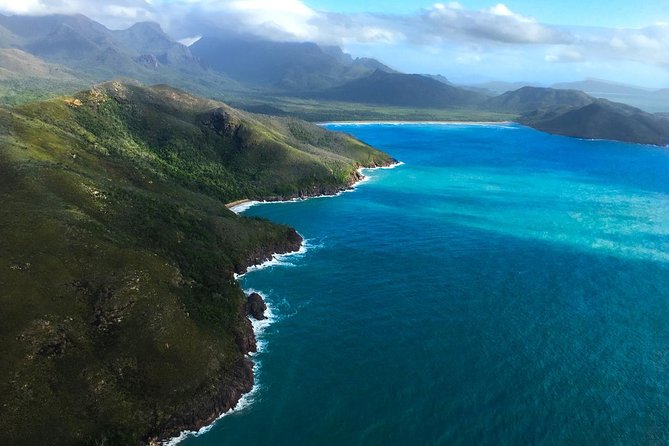
The operator includes an experienced, professional, fun, and safe crew. That sounds like standard marketing, but the important part is how the crew manages the rhythm of the day: briefings, equipment setup, and check-ins tied to sea state.
When the surface is choppy, a good crew doesn’t just move fast, they slow down where it matters, buoyancy, gas planning, buddy checks, and making sure everyone understands the plan. One positive signal is that divers have praised the crew for safety follow-up in rougher surface conditions and for explaining what you’re about to see.
The flip side is that there can be a risk of rushed instruction if weather creates a hectic boat day or if the group is large enough that briefings feel squeezed. My practical advice: ask questions early if anything is unclear. If you need time to understand the plan, say it before you get geared up, not after you’re already on the ladder.
Marine life highlights: what you’re most likely to see
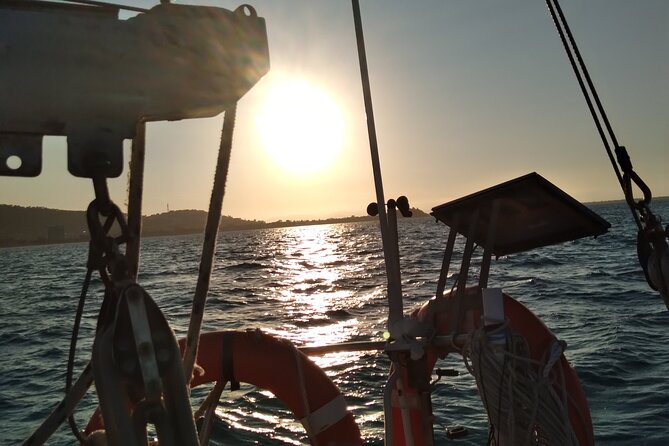
This wreck is known for attracting big marine life because it acts like a reef structure. If the conditions are good, you can have a strong odds day.
Commonly mentioned sights include:
- Turtles
- Sea snakes
- Giant trevally
- Queensland gropers
- Eagle rays
- Manta rays
- Sharks
- Countless tropical fish
- Vibrant coral around the wreck area
One of the most exciting seasonal possibilities is humpback whales. During cooler months, the itinerary notes that you may witness humpbacks on their annual migration. The described behaviors include tail slapping, pectoral fin waves, and even breaches. That doesn’t mean it’s guaranteed, but whale season is the right time to book this if that’s on your bucket list.
Depth limits and extra fees that change the plan
This outing has experience-based rules, and they can affect both cost and how smooth your day feels.
Minimum requirements:
- Certified divers only
- Minimum qualification: Open Water Diver
- Minimum of six logged sessions required prior to diving this site
- You must present proof of certification on board
Possible extra costs:
- If you have fewer than 15 logged sessions, you must go guided. This requires an extra fee of A$20.00 per person, paid directly on the day.
- If your experience limit is under 18m, a deeper mandatory add-on applies, A$35.00 per person.
So when you budget, make sure you count those possibilities. Even if you’re an advanced diver on paper, your logbook numbers and depth comfort are what determine what you’re allowed to do on this site. If you’re close to those thresholds, it’s worth checking your logbook totals ahead of time so there are no surprises on the morning of the trip.
Who this tour is best for
I’d point this one at certified divers who want a classic reef-ecosystem experience tied to a famous shipwreck, without doing planning gymnastics. It’s also a good fit if you like structure: transport, gear, meals, education, and a clear two-session plan.
You might especially like it if:
- You want to see a wide range of reef species around a single wreck structure
- You prefer an operator-managed day rather than sourcing local boat logistics yourself
- You’re comfortable at real working depths, since the wreck profile runs 15m to 29m
- You’d enjoy a history and environment talk rather than just jumping in and out
If you’re not comfortable with depth, or if your depth limit is near the lower end, double-check the requirement triggers for extra guidance and the deep add-on. Those fees are there to keep everyone within safe parameters.
Should you book the SS Yongala day out of Townsville?
If you’re a certified diver who can handle the depth range, I think this is a strong choice for getting a full Great Barrier Reef wreck experience in a single day. The big reason to consider booking is that you’re not just paying for underwater time, you’re paying for a full package: transport from Townsville, equipment, lunch, and a planned two-session day at a protected UNESCO-listed wreck.
But be smart about risk factors. Go into it knowing the surface can be choppy at times, and treat briefings as non-negotiable. If you’re at the lower end of the experience thresholds, check whether you’ll need extra guided support or a deeper add-on, and plan your budget accordingly.
If you value a calm, organized day and you’re the kind of diver who asks questions until you feel confident, you’ll likely find this format very workable. If you hate early mornings or you get seasick, that’s the one reason to hesitate, because the start time is 7:00am and the day is long at sea.
FAQ
What time does the SS Yongala outing start, and how long is it?
The tour starts at 7:00am and runs for about 10 hours.
Where is the meeting point in Townsville?
You’ll meet at Fuel Wharf, Mariner’s Peninsula Subsidiary No.104, 29 Mariners Dr, Townsville City QLD 4810.
Is scuba equipment included, or do I need to pack it?
Equipment is included. The tour provides tanks, weights, and scuba equipment, and you just need to bring items like a towel, hat, sun protection, and a light jumper in cooler months.
Do I need certification, and how many logged sessions are required?
Yes, this is for certified divers only. The minimum qualification is Open Water Diver, and you must have at least six logged sessions prior to this site. You also need to present proof of certification on board.
Are there extra fees for less-experienced divers?
Yes. If you have fewer than 15 logged sessions, you must go guided for an additional A$20.00 per person (paid directly on the day). If your experience limit is under 18m, a mandatory deep add-on is A$35.00 per person.
What marine life and seasonal wildlife can I expect?
The wreck area is known for turtles, sea snakes, giant trevally, Queensland gropers, eagle rays, manta rays, sharks, and many tropical fish. During cooler months, the tour notes the possibility of humpback whales during migration, including tail slapping and breaches.
Newest Townsville reviews on the site
- Townsville Sunset Sail Cruise Boat Tour Charter Hire Sailing Hire★ 4.5 · 23 reviews
- Magnetic Island Jet Ski Tour★ 5.0 · 11 reviews
- Great Barrier Reef and MOUA Snorkeling Day Tour from Townsville★ 4.0 · 19 reviews
- Magnetic Island Round-Trip Ferry From Townsville★ 4.5 · 142 reviews
- Whale Watching and Wildlife Cruise Townsville and Magnetic Island★ 5.0 · 11 reviews
- Great Barrier Reef and MOUA Cruise from Townsville or Magnetic Island★ 4.5 · 31 reviews
- Magnetic Island: West Coast Eco Adventure★ 5.0 · 50 reviews
- Magnetic Island: West Point Sunset Safari★ 5.0 · 37 reviews
Great Barrier Reef Cruises, compared.
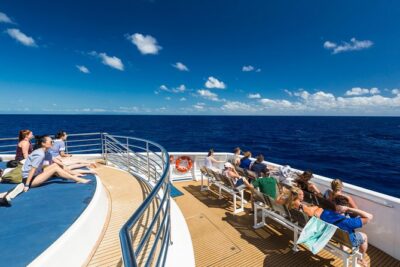
Great Barrier Reef Snorkeling and Diving Cruise from Cairns
Read our review →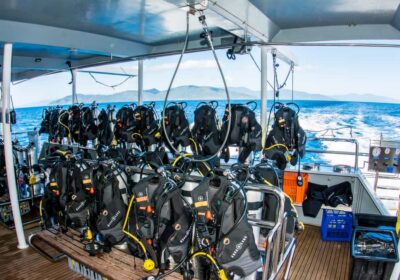
Great Barrier Reef Cruise by Premium Catamaran
Read our review →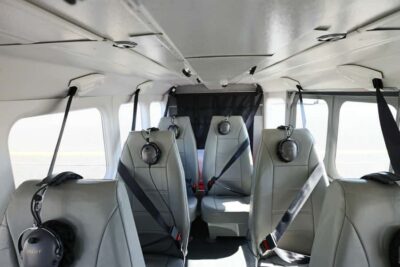
Outer Edges of The Great Barrier Reef Scenic Flight
Read our review →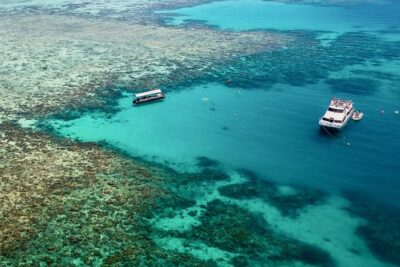
Passions of Paradise Great Barrier Reef Cruise by Catamaran
Read our review →Ocean Freedom Great Barrier Reef Luxury Snorkel and Dive Cruise
Read our review →
Whitsundays & Great Barrier Reef Scenic Flight
Read our review →
Calypso Outer Great Barrier Reef Cruise from Port Douglas
Read our review →Browse the lists this tour appears in