
Reviewed · HISTORICAL TOURS
Budj Bim: Tae Rak Wetlands 2 Hour Guided Cultural Tour
Tae Rak makes history feel alive. This 2 hour guided cultural walk at UNESCO World Heritage wetlands takes you to Tae Rak (Lake Condah) with a Gunditjmara guide, plus real talk about fish traps, aquaculture, and the Gunditjmara creation story. Hearing guides like Jake and Reuben bring the place to life, with both science and story, is what makes this tour hit hard.
I especially love the mix of wildlife spotting and human ingenuity. You pause for marine and bird life, then move to the ancient stone aquaculture sites and fish traps, so you understand the ecosystem and the technology at the same time. My other favorite part is the introduction to traditional kooyang (eel) harvesting and processing, because it connects what you see in the wetlands to lived practice.
One consideration: it is an easy walking tour, but you will step over some uneven ground. If your feet are not great on rough surfaces, plan for slower pacing and bring proper shoes.
In This Review
- Key things to know before you go
- Tae Rak Aquaculture Centre: the calm start before the story
- The 2 hour guided walk: what you actually cover on the ground
- Creation story meets wetlands science: why the order matters
- UNESCO World Heritage at Lake Condah: what makes Tae Rak special
- Stone fish traps and aquaculture sites: how to look without missing the point
- Kooyang (eel) harvesting and processing: the practical intro you should not skip
- Wildlife viewing at Tae Rak: spotting marine and bird life with a purpose
- Price and value: is $63 per person fair for 2 hours?
- After the tour: the café option and eel tastings
- Who this tour is best for
- Should you book the Budj Bim Tae Rak Wetlands 2 hour tour?
- FAQ
- Where is the meeting point for the Tae Rak guided cultural tour?
- How long is the Budj Bim Tae Rak Wetlands 2 hour guided cultural tour?
- What is included in the tour price?
- Is food included on this tour?
- Do I need to bring anything?
- Are pets allowed on the tour?
- Is the tour guided in English, and what is the cancellation policy?
Key things to know before you go
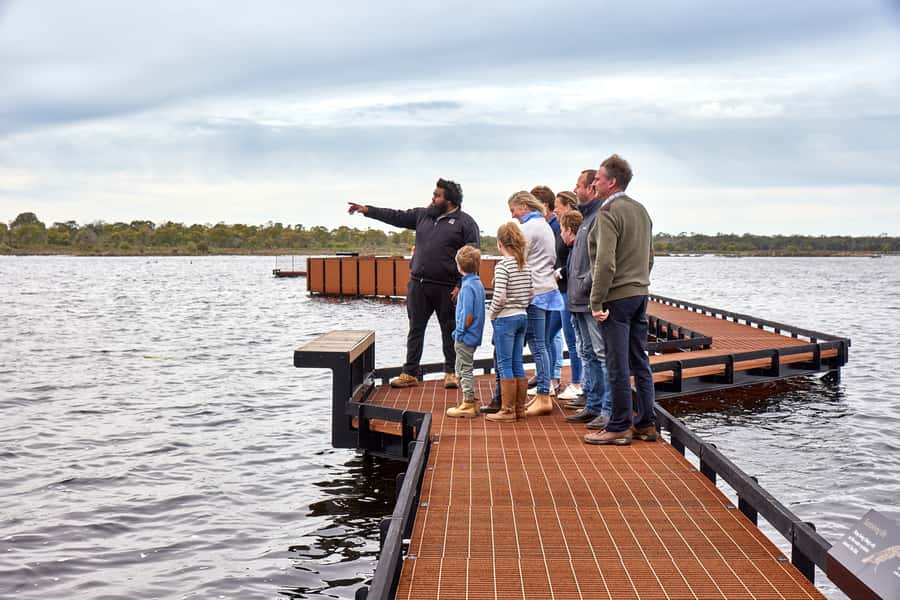
- UNESCO World Heritage at Lake Condah: Tae Rak wetland systems next to the lava flows of Budj Bim National Park
- Guided by Gunditjmara Traditional Owners: creation story plus on the ground cultural interpretation
- Ancient aquaculture still in situ: stone aquaculture sites and fish traps you can see where they were used
- Kooyang (eel) harvesting explained: a practical intro to how eel harvesting and processing works traditionally
- Wildlife viewing is part of the walk: marine and bird life around the lake
- Simple duration, big story: 2 hours is tight, so you get the essentials without getting rushed
Tae Rak Aquaculture Centre: the calm start before the story
Your tour begins at the Tae Rak Aquaculture Centre, and you check in at the counter there. This is one of those setups that helps you get your bearings fast, because you start with the place, not with a bus ride and a lecture hall.
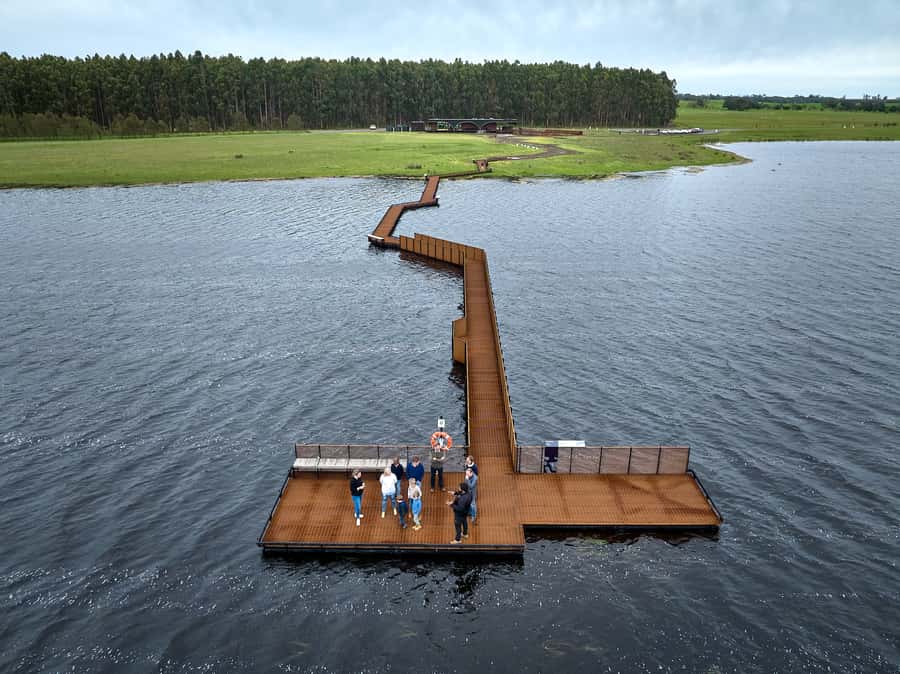
From the start, the tone is “walk and learn,” not “stand and watch.” You are on a guided cultural walk around Tae Rak (Lake Condah), a wetland system made up of about 1,700 hectares, with stony rises right next to the historic lava flows of Budj Bim National Park. That geology matters, because it shapes where water sits, how the shoreline works, and why people could manage resources there for so long.
If you are doing this on a road trip, I like the fact that it is only 2 hours. You can keep the day flexible and still get a meaningful, place-based experience.
A few more Australia trips to compare
- Ultimate Melbourne Walking Tour: History, Laneways & Culture
★ 5.0 · 1,451 reviews - Puffing Billy Railway: Heritage Steam Train Journey
★ 4.6 · 1,195 reviews - Morning World Heritage Cruise on the Gordon River from Strahan
★ 5.0 · 1,193 reviews
The 2 hour guided walk: what you actually cover on the ground
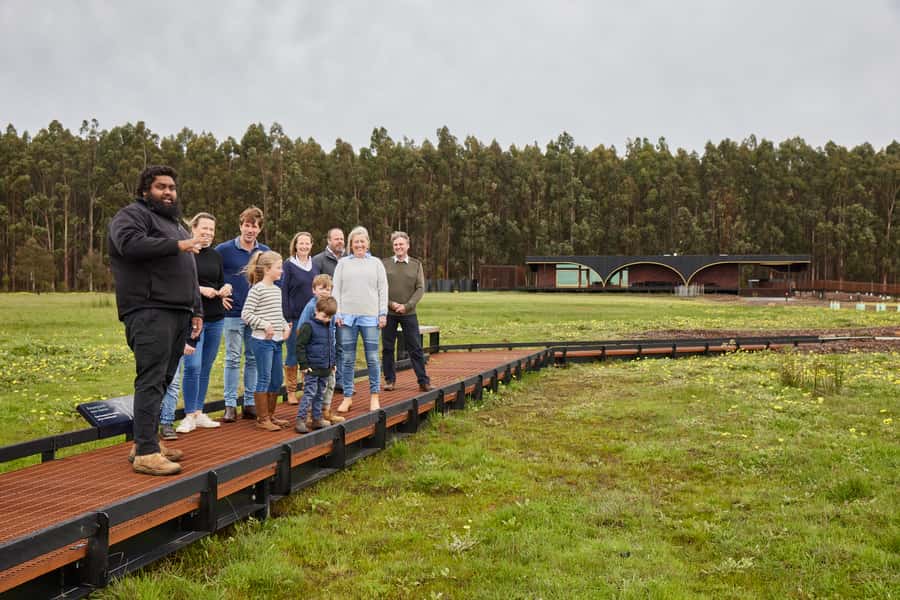
This is a guided walking tour, and it returns you to the Tae Rak Aquaculture Centre. In plain terms, you are getting a well-paced overview of the area’s cultural significance, the wetlands ecology, and the ancient infrastructure used for aquaculture.
The core flow goes like this:
- a tour of Tae Rak itself, with stops for wetland features and wildlife viewing
- the Gunditjmara creation story, shared as you look at what is around you
- a guided look at the ancient landscape elements that still show the logic of the aquaculture
- then a focus on stone aquaculture sites and fish traps, plus an introduction to kooyang (eel) harvesting and processing
Even with the short duration, you are not just collecting facts. The guide points out patterns, like how stone structures relate to water movement and animal behavior. You start to see the wetland as a managed system, not just a pretty place to photograph.
Expect some walking over uneven ground. Nothing extreme, but it is enough that you should wear comfortable shoes and not plan on flip-flops.
Creation story meets wetlands science: why the order matters
One reason this tour earns its top marks is the way the story comes with the setting. You learn the Gunditjmara creation story as you are standing on the Country itself, not in a separate room. That changes how you process it, because you are connecting meaning to real features you can point at.
A good example is the way the guide uses the lake to explain life cycles in simple terms. You are shown how Tae Rak functions as a habitat, and then you see how people used that knowledge over tens of thousands of years.
In interviews and conversation with guides like Reuben and Jake, what stands out is how they balance practical detail with belief and imagination. You get the “what” and the “why,” with enough emotion to make it feel human, not academic.
UNESCO World Heritage at Lake Condah: what makes Tae Rak special
Tae Rak is part of the UNESCO World Heritage listed Budj Bim Cultural Landscape. The World Heritage label can sound like a headline, but here it mostly works as a reminder that you are looking at a living cultural site with extraordinary age.
The key detail is that the aquaculture system is not a replica in a museum. It is described and interpreted in situ, meaning you experience it in the same kind of environment where it was used. That matters for understanding the ingenuity behind stone fish traps and other aquaculture elements.
You are also right next to Budj Bim National Park lava flows. That volcanic backdrop is part of the reason the wetland has its particular character, including the stony rises that influence how water spreads and where animals congregate. Put simply: the land shaped the water, and the water shaped the people’s food system.
Same part of the map, a completely different day:
- Sydney: Opera House Guided Tour with Entrance Ticket
★ 4.8 · 8,312 reviews - All Inclusive Blue Mountain,Scenic World,Lunch,Koalas,ferry
★ 5.0 · 7,832 reviews - Great Ocean Road Small-Group Eco Tour from Melbourne
★ 5.0 · 6,607 reviews - From Melbourne: Great Ocean Road, 12 Apostles, Wildlife Tour
★ 4.7 · 6,020 reviews
Stone fish traps and aquaculture sites: how to look without missing the point
This is the section where you slow down. The guide points out extensive stone aquaculture sites and fish traps, and you learn what they were for.
Here is what to do as you walk:
- watch for how stone features relate to water flow and access points
- notice how the shoreline and stony rises can create different micro areas for animals
- listen for the explanation of why fish traps were placed where they were
I like that the tour does not treat these structures like random ruins. It frames them as an engineering response to the seasonal rhythm of the wetlands.
Also, the tour helps you connect the dots between environmental observation and food production. You are not just learning that people fished. You are seeing how they structured opportunities for harvesting, with stone works that still make sense in the present-day environment.
Kooyang (eel) harvesting and processing: the practical intro you should not skip
If you want the “okay, I get it” moment, this is it. The tour includes an introduction to traditional kooyang (eel) harvesting & processing. Even if you do not know much about eel in the first place, you come away with a clearer idea of why eel harvesting is tied to knowledge of water, timing, and processing.
What makes this part valuable is the connection back to the Country you just walked. You see the wetland, the stone infrastructure, and then you hear how eel harvesting fits into the broader system.
If you love food and food history, this is one of those tours where the cultural meaning sticks, because the story is not separate from eating. It is about survival systems and how they evolved.
Wildlife viewing at Tae Rak: spotting marine and bird life with a purpose
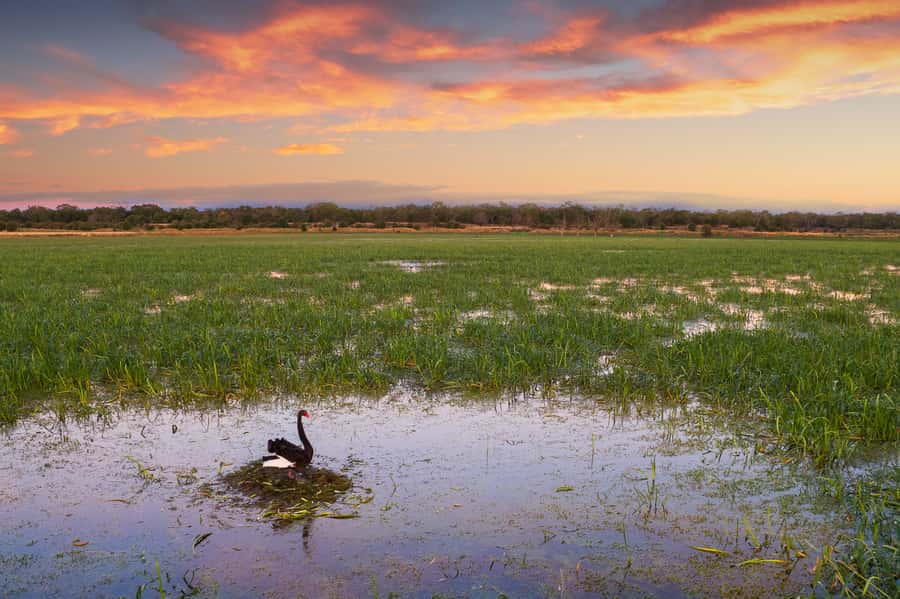
This tour builds in wildlife viewing, specifically marine and bird life. The guide’s job is to help you see what is easy to miss.
Instead of just pointing at birds, you learn how the wetlands ecosystem supports animals and why the lake’s features matter. That turns your attention from “pretty animals” to “why these animals are here.”
Bring a camera if you use one, but keep it secondary. The best photos are often the ones you take after you understand what you are looking at. Let the guide guide your eyes first.
Price and value: is $63 per person fair for 2 hours?
At $63 per person for a 2 hour guided cultural tour, you are paying for three things: a Gunditjmara guide, the guided walking experience, and access fees.
For me, the value comes from the way the time is used. You are not just taking a general nature walk. You are getting a focused introduction to a UNESCO site, plus an explanation of stone aquaculture systems and eel harvesting knowledge. That combination is harder to replicate on your own, because it depends on interpretation and storytelling that is rooted in the people connected to the place.
Also, the format is efficient. You get a lot of meaning without losing half a day. If your schedule is tight, this works.
You will need to plan for transport to the meeting point yourself, since transport is not included. But once you are there, the core experience is all set.
After the tour: the café option and eel tastings
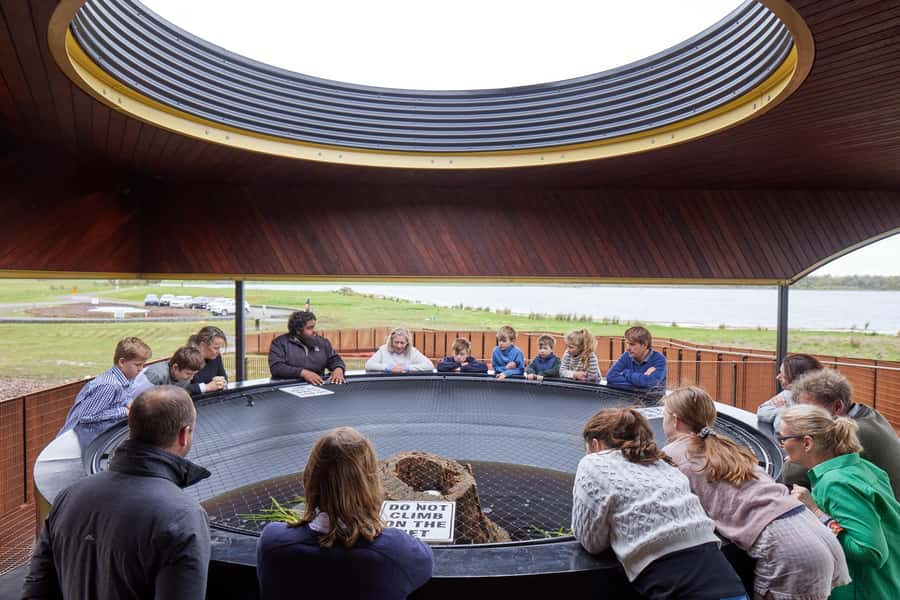
This tour does not include food served during the walk. However, there is a café at the Tae Rak Aquaculture Centre where you can purchase refreshments.
One of the nicest practical tips I picked up is to stick around for the eel tasting plate if it is available, because it is a food add-on that matches the eel story from the tour. Even if you keep your expectations modest, it is a relevant way to extend the experience without overcomplicating your day.
Who this tour is best for
This tour is a great fit if you:
- want a short guided introduction to Gunditjmara heritage connected to a specific UNESCO site
- like tours that mix story with real-world ecology and food systems
- enjoy learning from guides who explain with both facts and personal conviction, like Jake and Reuben
- want something meaningful for a Great Ocean Road trip area day, without committing to a full day
It is also a good choice if you are the kind of traveler who likes to ask, “How did people live here, for real?” The stone fish traps and the kooyang eel intro answer that question in a way a viewpoint alone never will.
If you dislike walking over uneven ground, or you need fully flat paths, you might find the terrain a bit challenging. In that case, choose footwear carefully or consider a longer option if one is available through the operator, so you can go at your pace.
Should you book the Budj Bim Tae Rak Wetlands 2 hour tour?
I would book it if you want the fastest path to understanding why Tae Rak matters. The strong points are the Gunditjmara-guided storytelling, the chance to see ancient aquaculture and fish traps in place, and the way wildlife viewing supports the cultural and ecological picture.
Skip it only if you are looking for a laid-back nature stroll with minimal learning. This tour expects your attention. You will walk, you will look, and you will hear a lot.
If you can, arrive with comfortable shoes and a bit of openness to new perspectives. This is the kind of place where you leave with more than photos, you leave with a clearer sense of how knowledge can be built into the land itself.
FAQ
Where is the meeting point for the Tae Rak guided cultural tour?
You meet at the Tae Rak Aquaculture Centre, and you check in at the counter.
How long is the Budj Bim Tae Rak Wetlands 2 hour guided cultural tour?
The tour runs for 2 hours.
What is included in the tour price?
The price includes a Gunditjmara cultural guide, a guided walking tour, and access fees.
Is food included on this tour?
No food is served on the tour, but there is a café at the Tae Rak Aquaculture Centre where you can buy refreshments.
Do I need to bring anything?
Bring comfortable shoes, since there will be some walking over uneven ground.
Are pets allowed on the tour?
No, pets are not allowed.
Is the tour guided in English, and what is the cancellation policy?
The tour is guided in English. There is free cancellation up to 24 hours in advance for a full refund.
Newest Australia reviews on the site
- Airlie Coastal Beach Adventures – Dingo Beach & Cape Gloucester★ 5.0 · 27 reviews
- Airlie Waterfalls & Rainforest Bushwalk Eco Adventure★ 5.0 · 23 reviews
- Airlie Beach Sightseeing Explorer- 3 hr Snaphots & highlights★ 5.0 · 33 reviews
- Whitsundays Day Cruise: Whitehaven Beach & Hill Inlet★ 5.0 · 274 reviews
- One Way Airport Transfer: Proserpine-Airlie Beach (or vice versa)★ 4.5 · 63 reviews
- Bowen Beaches Discovery-Top of the Whitsundays★ 5.0 · 40 reviews
- British Defender 3D2N Whitsunday Snorkelling Sailing Adventure★ 5.0 · 30 reviews
- Airlie Beach Jet Ski Safari (1 Hour)★ 4.5 · 257 reviews
Historical Tours, compared.
Ultimate Melbourne Walking Tour: History, Laneways & Culture
Read our review →
Puffing Billy Railway: Heritage Steam Train Journey
Read our review →
Morning World Heritage Cruise on the Gordon River from Strahan
Read our review →
Strahan: World Heritage Cruise on Gordon River with Lunch
Read our review →
Experience History onboard The Mary Valley Rattler
Read our review →
Snorkel & Dive the Reef: Sustainable, Scientific & Cultural Tour
Read our review →
Derwent River Historic Harbour Cruise From Hobart
Read our review →Browse the lists this tour appears in