
Reviewed · HISTORICAL TOURS
Albany’s Historic Whaling Station Admission Ticket
Whaling history in Albany is surprisingly gripping. You’ll step into an old processing site and see how the whaling industry worked, with converted whale-oil tanks and short films that keep the story moving. I like that it feels hands-on and visual, not like a dusty lecture.
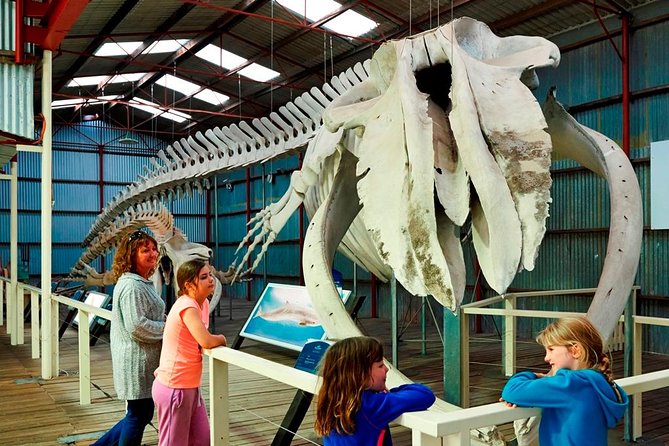
Two things I really liked. First, the Cheynes IV experience, including climbing aboard the preserved whale-chaser ship. Second, the art and artifacts, especially the blue whale skeleton and the scrimshaw collection you can actually take time with. It’s one of those places where you spend longer than you planned because there’s always another angle to look at.
One thing to keep in mind: you do some physical moving while exploring, including boarding the ship, so a moderate physical fitness level helps. Also, it operates in all weather, so dress for the day you get.
In This Review
- Key Highlights Worth Your Time
- Getting to Albany’s Historic Whaling Station, and What Your Ticket Actually Gives You
- Whale-Oil Tanks and Short Films: The Story in a Very Specific Setting
- Blue Whale Skeleton, Marine Animal Art, and Scrimshaw You’ll Want to See Up Close
- Boarding Cheynes IV: The Only Preserved Whale Chaser Ship in the World
- Museum Exhibits, the Cafe Bay Views, and the Flower Garden BBQ Break
- Price and Time: Is $26.49 Worth It for a 2 to 3 Hour Visit?
- Weather, Clothing, and How to Plan Your Visit Without Stress
- Who This Whaling Station Ticket Suits Best
- Should You Book This Albany Historic Whaling Station Admission Ticket?
- FAQ
- How long does the Albany’s Historic Whaling Station ticket take?
- Where is this experience located?
- What is the ticket price?
- What’s included with the admission ticket?
- What is not included?
- Is the museum self-guided?
- What are the opening hours?
- Does it run in bad weather?
Key Highlights Worth Your Time
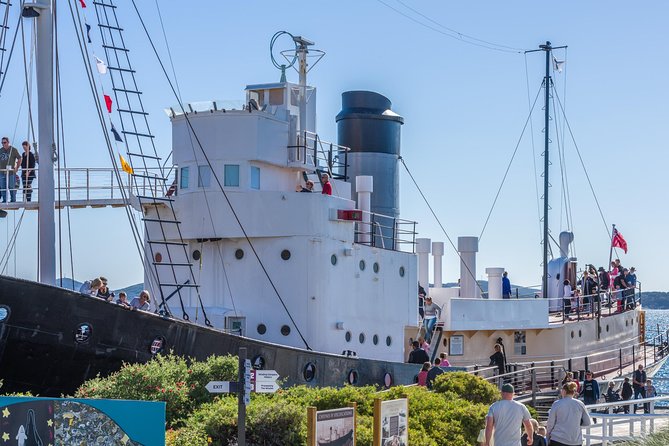
- Climb aboard Cheynes IV, the world’s only preserved whale chaser ship
- Converted whale-oil tanks with short films that explain the industry
- Blue whale skeleton plus marine animal art you can slow down for
- Scrimshaw art and whaling artifacts that show details up close
- BBQ facilities in the flower garden, useful if you want a no-fuss break
Getting to Albany’s Historic Whaling Station, and What Your Ticket Actually Gives You
This is a straightforward admission ticket to Albany’s Historic Whaling Station, good for exploring at your own pace. The big practical win is that it’s designed as an easy 2 to 3 hour visit, not a full day commitment.
You’ll start with a short scenic drive from Albany CBD, about 20 minutes. That matters because it changes the mood, you leave the city behind and arrive at a coastal site where the industry story fits the landscape. The station is open daily from 9:00 AM to 5:00 PM, so it’s easy to plug into most Albany schedules.
Your ticket includes the activities and the museum experiences, plus GST. It also includes access to free BBQ facilities in the flower garden area. What it does not include is food or drinks, so if you plan to eat there, bring what you need or plan on buying during your stop (the cafe is there, but it’s not described as included).
Price is $26.49 per person. For what you get, I think that price is fair, because you’re not paying for one single exhibit. You’re paying for a full site experience: films in whale-oil tanks, collections of marine art and scrimshaw, a major preserved vessel, and time in the museum spaces.
A few more Australia trips to compare
- Ultimate Melbourne Walking Tour: History, Laneways & Culture
★ 5.0 · 1,451 reviews - Puffing Billy Railway: Heritage Steam Train Journey
★ 4.6 · 1,195 reviews - Morning World Heritage Cruise on the Gordon River from Strahan
★ 5.0 · 1,193 reviews
Whale-Oil Tanks and Short Films: The Story in a Very Specific Setting
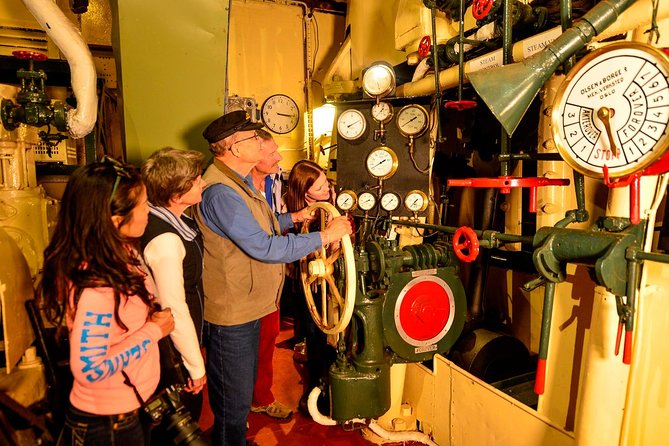
The signature start is inside the former processing area, including converted whale-oil tanks where you watch short films. The setting is key. These aren’t just screens in a generic room, the walls and atmosphere come from the way the site used to function.
This part is valuable because it gives you a basic framework before you start wandering through artifacts and displays. If you only hit the ship and the skeleton, you’ll still enjoy it, but the films help you understand what you’re seeing, and why these objects ended up here.
A word of caution, the topic is whaling, an activity that’s not easy emotionally. The site is presented as a piece of Australian history, but if you’re sensitive to the subject, go in prepared for that reality. The upside is that it’s not presented as a gimmick. It’s structured so you can learn at your own speed.
Blue Whale Skeleton, Marine Animal Art, and Scrimshaw You’ll Want to See Up Close
Once you’ve got the context, you’ll move into the museum-style exhibits. The centerpiece is a giant blue whale skeleton. It’s not just a photo-op object. The scale tends to make you slow down, even if you’re not usually into natural history displays. You start seeing the difference between a specimen and a symbol, because the whale is both an animal and part of the industry story here.
Then comes one of the most interesting “value-add” parts of the visit: the marine animal art collection and the scrimshaw art. Scrimshaw is those carved and detailed pieces made from whale products, and here it’s treated as collectible art, not just a curiosity. It’s the kind of detail that makes the visit feel more human. People created these pieces for craft, trade, or memory, and you get to look at them longer than you would in a quick museum stop.
The practical tip: give yourself time in these exhibit rooms. If you rush, you miss the small details that make art and artifacts worth it. I’d plan to spend at least part of your 2 to 3 hour window lingering here.
Boarding Cheynes IV: The Only Preserved Whale Chaser Ship in the World

Now for the physical highlight: you can climb aboard Cheynes IV, described as the world’s only preserved whale chaser ship. This is a big deal for a whaling station, because it turns history into something you can approach from different angles.
The ship adds texture. Museums can be interpretive and still feel distant. A preserved vessel does the opposite. You can look at shapes, parts of the deck, and the overall design that connects to how a whale chase worked in practice. It’s also a great “anchor moment” for your memory of the day, because it feels different from reading captions.
Consider this if you have mobility limits. Even without exact step counts, boarding a ship is naturally uneven and may involve climbing or balancing. The experience notes a moderate physical fitness level, so don’t assume it’s fully flat and easy everywhere.
If the weather is rough, take it slowly on outdoor surfaces. The visit operates in all weather, so you should dress with that in mind. A calm day makes the ship part more enjoyable, and a windy day makes it more about caution.
Same part of the map, a completely different day:
- Sydney: Opera House Guided Tour with Entrance Ticket
★ 4.8 · 8,312 reviews - All Inclusive Blue Mountain,Scenic World,Lunch,Koalas,ferry
★ 5.0 · 7,832 reviews - Great Ocean Road Small-Group Eco Tour from Melbourne
★ 5.0 · 6,607 reviews - From Melbourne: Great Ocean Road, 12 Apostles, Wildlife Tour
★ 4.7 · 6,020 reviews
Museum Exhibits, the Cafe Bay Views, and the Flower Garden BBQ Break
Between the major stops, there’s a museum area where you can browse authentic whaling artifacts and memorabilia. This is where the self-guided nature really shines. Instead of being pulled along on a rigid schedule, you can choose what to repeat or what to skip.
If you have spare time before your main highlights, you may also want to visit the cafe overlooking one of Albany’s picturesque bays. That’s a nice contrast. You go from industrial displays to a coastal view, and the mood shift helps you process what you learned without feeling overwhelmed.
One of my favorite practical touches is the BBQ facilities in the flower garden. Not every museum-adjacent attraction gives you a built-in way to extend your visit with food. If you’re traveling with others or you want a budget-friendly break, this can turn a stop into a half-day plan.
Just keep expectations realistic: your ticket includes BBQ use, but it does not include food and drinks. So treat the BBQ as a convenience, not an all-inclusive meal.
Price and Time: Is $26.49 Worth It for a 2 to 3 Hour Visit?
Let’s talk value. At $26.49 per person, you’re paying for a full admission experience that includes activities, the museum content, and the BBQ facilities. GST is included too, so the checkout price is the real price.
For me, the key value indicator isn’t just the cost. It’s the mix of experiences within the time window:
- Short films inside converted whale-oil tanks to set context
- A major natural history element with a blue whale skeleton
- Art and craft elements with marine animal art and scrimshaw
- A hands-on, physical element with Cheynes IV
- Optional time in museum exhibits plus a rest option with cafe and gardens
At 2 to 3 hours, you can visit without sacrificing your whole day. That’s important in Albany, where you may also want coastal walks, beaches, or other attractions. This ticket fits well when you want a concentrated cultural and historical stop.
If you’re traveling with kids, it can still work because there are enough distinct features to keep attention. The experience notes children must be accompanied by an adult, so plan on supervising closely around the ship areas.
Weather, Clothing, and How to Plan Your Visit Without Stress
Because the site operates in all weather conditions, what you wear matters. If it’s windy, wet, or chilly, you’ll enjoy the ship section more with layers and footwear that grips. The visit encourages dressing appropriately for the conditions you’ll face.
Timing tip: aim to enter with enough buffer so you don’t feel rushed. The site gives you multiple “stop moments,” and if you cut too close to closing time, you’ll likely skip something you want to see.
Also, since it’s self-guided, don’t overpack your schedule with other timed attractions immediately afterward. Even if your plan says 2 hours, the real time depends on how long you linger over the skeleton, the art displays, or the ship.
Who This Whaling Station Ticket Suits Best
This is a great fit if you like history that has objects you can see, touch with your eyes, and walk around. It’s also a strong choice if you enjoy maritime elements, natural history scale displays, or art collections that connect to real materials and real people.
It may be less ideal if:
- You hate physically moving around uneven surfaces, especially around boarding areas
- You want a purely light, kid-friendly attraction with no weight to the subject
- You prefer a fully guided, talk-through experience, since the museum is explored at your own pace
On the other hand, if you enjoy learning through multiple formats, this site hits several at once. You get film in a themed structure, large specimen display, crafted art like scrimshaw, and a preserved ship you can actually board.
Should You Book This Albany Historic Whaling Station Admission Ticket?
I’d book it if you’re in Albany and want a focused half-day experience that mixes museum learning with a rare physical highlight like Cheynes IV. The combination of converted whale-oil tank films, the blue whale skeleton, and the scrimshaw plus marine art makes it more than a one-exhibit stop.
Book it sooner rather than later if your travel dates include a busy period, since this sort of attraction tends to get used. And if food matters to your budget, the included BBQ facility in the flower garden is a real perk, even though you still need to bring or buy your own food and drinks.
The main reason not to book is simple: if you know the whaling topic will be too tough, or you’re not comfortable with some physical movement and weather outdoors. If those are manageable for you, this is a strong, well-rounded ticket that gives you a lot to see in a reasonable time window.
FAQ
How long does the Albany’s Historic Whaling Station ticket take?
Plan for about 2 to 3 hours.
Where is this experience located?
It’s in Albany, Australia.
What is the ticket price?
The price is $26.49 per person.
What’s included with the admission ticket?
The ticket includes all activities, GST, and free BBQ facilities.
What is not included?
Food and drinks, including lunch, are not included.
Is the museum self-guided?
Yes. The museum portion is explored at your own pace on a self-guided tour.
What are the opening hours?
The site is open daily from 9:00 AM to 5:00 PM.
Does it run in bad weather?
Yes, it operates in all weather conditions, so dress appropriately for the day.
Newest Australia reviews on the site
- Best of Uluru & Segway★ 5.0 · 186 reviews
- Mt Conner 4WD Small Group Tour from Ayers Rock Resort inc Dinner★ 5.0 · 47 reviews
- Kata Tjuta Valley of the Winds Circuit Hike★ 5.0 · 24 reviews
- Overnight Uluru Adventure★ 4.0 · 17 reviews
- Highlights of Uluru Including Sunrise and Breakfast★ 5.0 · 184 reviews
- Kata Tjuta Sunset Half Day Trip★ 4.5 · 87 reviews
- Afternoon Kata Tjuta Small Group Tour★ 4.5 · 138 reviews
- Alice Springs School of the Air Guided Tour Ticket★ 5.0 · 66 reviews
Historical Tours, compared.
Ultimate Melbourne Walking Tour: History, Laneways & Culture
Read our review →
Puffing Billy Railway: Heritage Steam Train Journey
Read our review →
Morning World Heritage Cruise on the Gordon River from Strahan
Read our review →
Strahan: World Heritage Cruise on Gordon River with Lunch
Read our review →

Experience History onboard The Mary Valley Rattler
Read our review →
Snorkel & Dive the Reef: Sustainable, Scientific & Cultural Tour
Read our review →
Derwent River Historic Harbour Cruise From Hobart
Read our review →Browse the lists this tour appears in