
Reviewed · HISTORICAL TOURS
Albany: Historic Whaling Station Entry Ticket
Whaling stations rarely feel this intact. In Albany, the Historic Whaling Station gives you a one-day walk through a working-era site, plus the chance to climb Cheynes IV, the world’s only preserved whale chaser ship. I also love how the exhibits move beyond facts, with hands-on-feeling displays like the marine skeleton gallery and the short films shown inside converted whale oil tanks.
One thing to plan for: the subject matter is about killing and processing whales, so parts of the experience can feel heavy, even when it is presented as museum history.
In This Review
- Key highlights worth penciling in
- Albany’s Historic Whaling Station, where the buildings still tell the story
- Price and what $25 gets you in a full one-day visit
- From the restored whale processing factory to the oil-tank film rooms
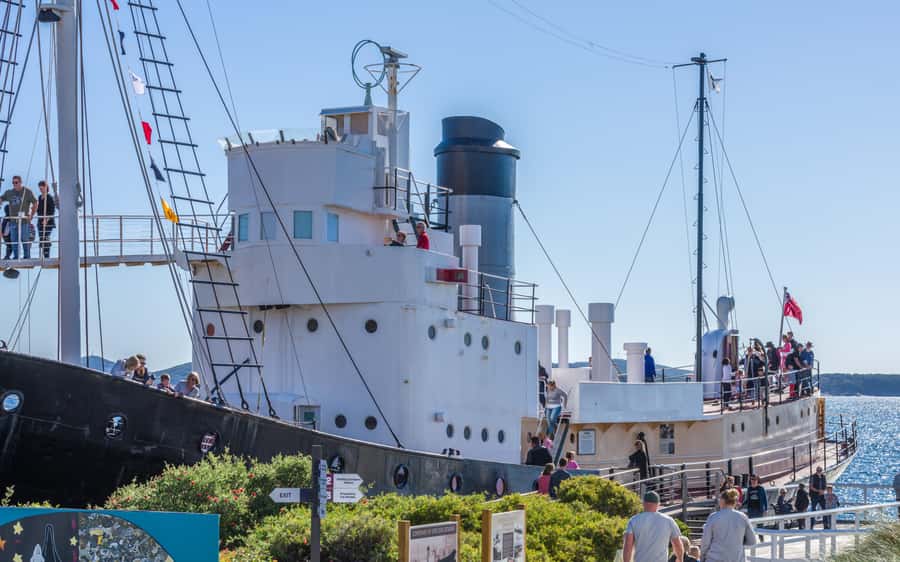
- Climb aboard Cheynes IV, the world’s only preserved whale chaser
- The marine skeleton gallery, including the giant blue whale
- Scrimshaw art and museum artifacts that show the human side
- Café break with bay views, plus free BBQs and picnic time
- Regional Wildflower Garden, where an included extra becomes the best pause
- Australian Wildlife Park, a family-friendly complement to the museum
- Timing your day: how to avoid feeling rushed
- Who should buy this Albany whaling station ticket
- Should you book the Albany Historic Whaling Station entry ticket?
- FAQ
- What are the opening hours for the Historic Whaling Station?
- Are the Regional Wildflower Garden and Australian Wildlife Park included in the ticket?
- How long does this experience last?
- Where do I meet for the experience?
- What should I bring, and are there any restrictions?
- Is the attraction wheelchair accessible?
Key highlights worth penciling in
- Restored whale processing factory that shows how the station functioned at its peak
- Cheynes IV whale chaser ship for a close, real-ship look at whaling-era operations
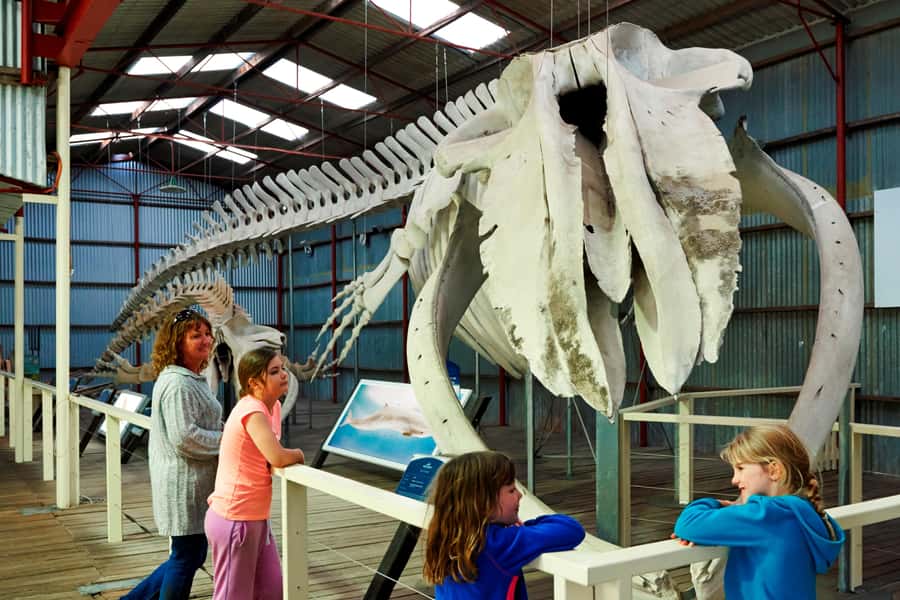
- Marine skeleton displays, including a giant blue whale skeleton
- Short films in converted whale oil tanks, including a 3D-style screening experience
- Scrimshaw and museum collections that bring the era to life through artifacts and craft
- Regional Wildflower Garden and Australian Wildlife Park for an outdoors and animal-friendly add-on
Albany’s Historic Whaling Station, where the buildings still tell the story
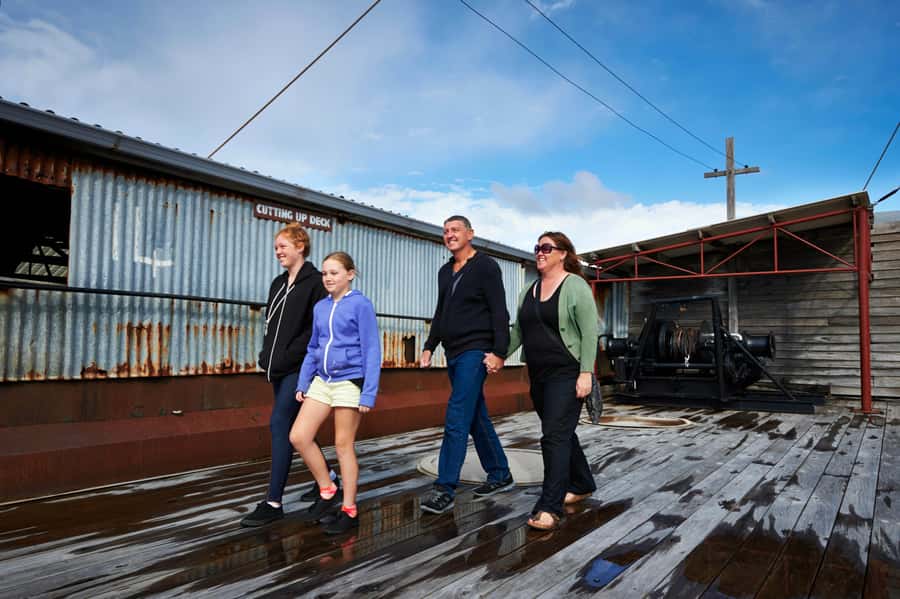
Albany’s Historic Whaling Station is not just a museum you stand in front of. It’s a full-era site where you can walk from one part of the operation to the next, and the spaces still feel built for the job. That matters, because whaling history can turn abstract fast.
I like that the attraction is a complete, restored station, not a scattered set of rooms. You follow informative trails that connect the whale processing factory, the ship, and the science and art collections into one visit.
The other big win for me is how the experience uses both storytelling and objects. The skeleton displays, the scrimshaw, and the museum artifacts give you multiple angles on the same past.
A few more Australia trips to compare
- Ultimate Melbourne Walking Tour: History, Laneways & Culture
★ 5.0 · 1,451 reviews - Puffing Billy Railway: Heritage Steam Train Journey
★ 4.6 · 1,195 reviews - Morning World Heritage Cruise on the Gordon River from Strahan
★ 5.0 · 1,193 reviews
Price and what $25 gets you in a full one-day visit
At about $25 per person for a 1-day ticket, this is a solid value if you like museums that have multiple “tracks” in one place. You can spend your time indoors with exhibits and films, then switch gears outdoors with gardens and animals, without needing transport between locations.
The best part for your money is the mix of experiences inside the whaling station grounds. You get access to the restored factory, the short films, the ship viewing, and the museum exhibits, not just a small section of displays.
Then you also get the added value extras on-site. The Regional Wildflower Garden and the Australian Wildlife Park are included, plus there are free BBQs and a picnic area.
If your main goal is only one quick museum room, it can feel like a lot. But if you want a complete day in Albany’s Torndirrup area, this ticket plays to that strength.
From the restored whale processing factory to the oil-tank film rooms
Start at the restored whale processing factory, because that sets the frame for everything else. Seeing the station layout helps you understand why the exhibits are arranged the way they are, and it makes the later skeleton and ship displays easier to connect.
As you move through, pay attention to the way the site explains the whaling industry’s workflow. Even if you have some background already, the restored spaces help you visualize how the station operated as a place, not just as a topic.
When you reach the short film area, you get a different kind of storytelling. The films are shown inside converted whale oil tanks, which is a clever use of existing structure. One review highlighted a 3D-style movie that felt very close-up, and that is exactly the point, the theater style turns the past into a physical sensation.
Practical note: you’ll want comfortable shoes. The site is built for walking between sections, and you’ll likely spend more time on foot than you expect.
Climb aboard Cheynes IV, the world’s only preserved whale chaser
Next, make time for Cheynes IV, the world’s only preserved whale chaser ship. This is the part of the visit that tends to convert “museum curiosity” into real connection.
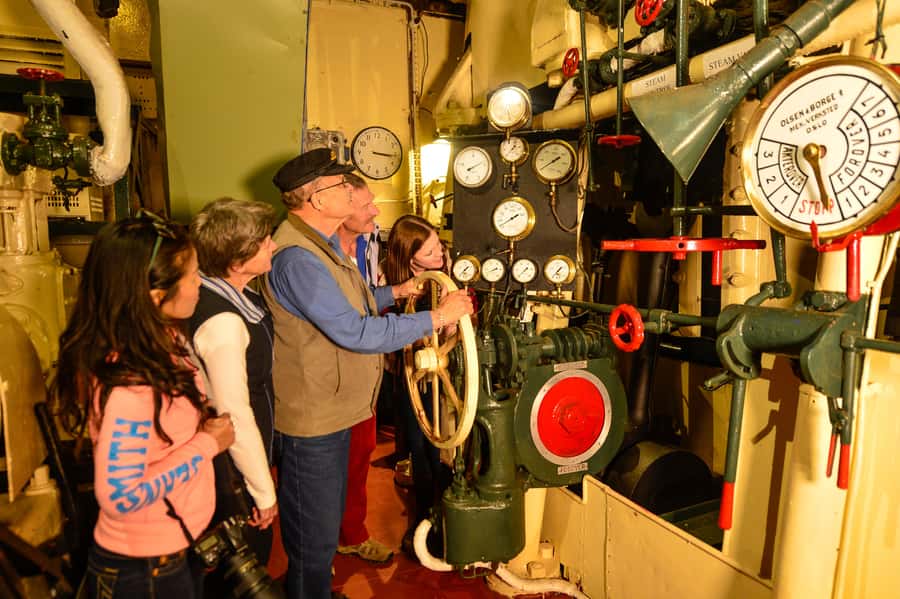
Boarding or viewing the ship gives you scale. It’s one thing to learn about whaling-era pursuit, and another to stand where crews would have worked, with the ship’s layout and size doing the explaining for you.
What I like is that the ship visit fits your learning pace. You can move slowly and read what’s available, or skim if you’re short on energy. Either way, it feels like a true object in space, not a behind-glass display.
Also, this is a good reset moment. After processing-factory exhibits, stepping into the ship context helps you shift from land-based industry to the operational side of the hunt.
Same part of the map, a completely different day:
- Sydney: Opera House Guided Tour with Entrance Ticket
★ 4.8 · 8,312 reviews - All Inclusive Blue Mountain,Scenic World,Lunch,Koalas,ferry
★ 5.0 · 7,832 reviews - Great Ocean Road Small-Group Eco Tour from Melbourne
★ 5.0 · 6,607 reviews - From Melbourne: Great Ocean Road, 12 Apostles, Wildlife Tour
★ 4.7 · 6,020 reviews
The marine skeleton gallery, including the giant blue whale
If you only have limited time, don’t skip the skeleton displays. This is where the station turns into an animal and science experience, not just an industry museum.
The gallery includes a giant blue whale skeleton, plus other marine skeletons that help you compare size and form across species. One key detail you should plan for is sheer scale. A review called out a pygmy whale skeleton as enormous, which is a reminder that smaller names do not mean smaller bones.
You’ll likely spend extra minutes here if you like natural history. The displays are arranged to be looked at from different angles, and that makes the experience feel more like learning at a pace you control.
Emotionally, it can be a mixed moment. The station explains the whaling context, and seeing the bones can bring home what was at stake. If you are sensitive to that kind of history, go in knowing you may want a slower, reflective pace.
Scrimshaw art and museum artifacts that show the human side
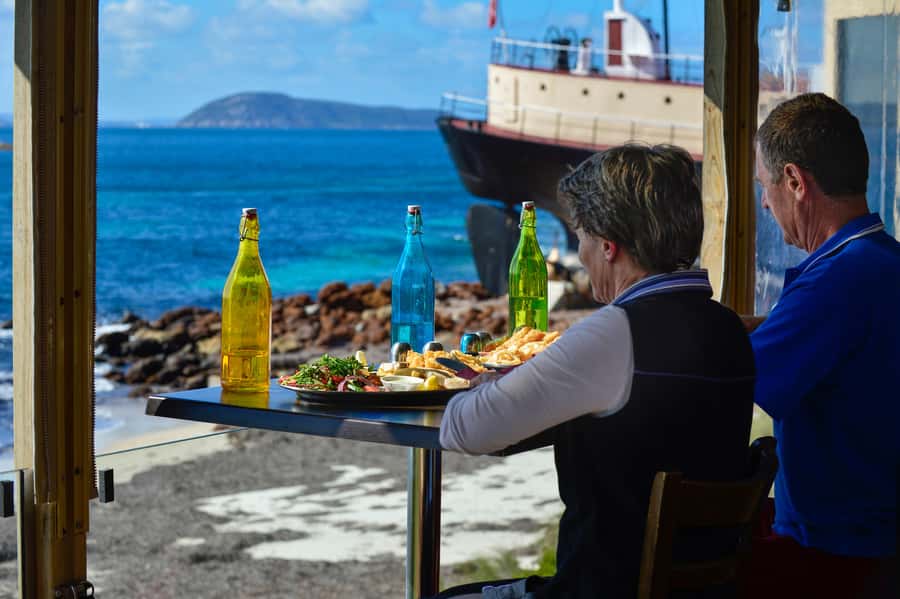
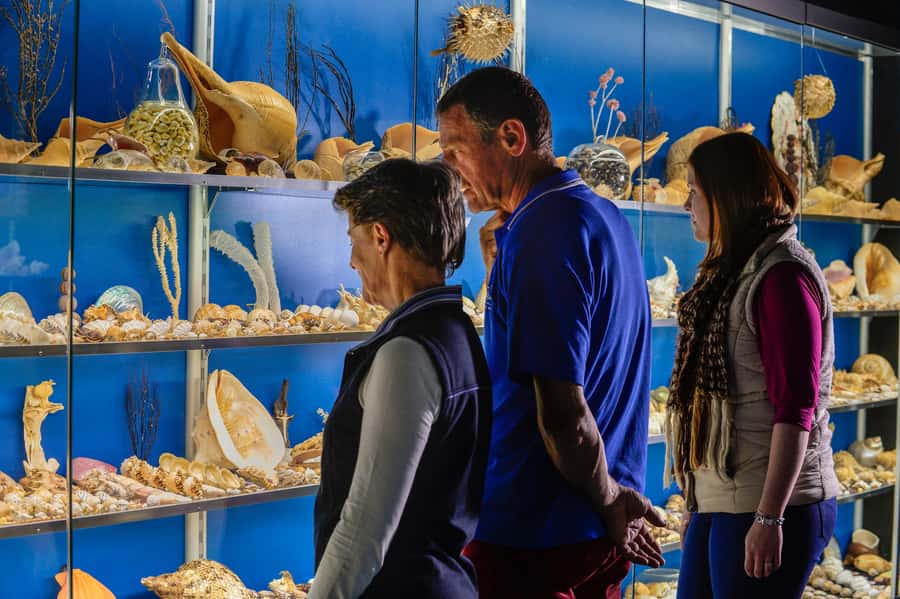
The whaling station also includes museum exhibits with authentic artifacts and memorabilia. That’s important, because it broadens the story beyond the mechanics of processing and chasing.
One of my favorite categories is the art side of the collection. You can view precious scrimshaw and see marine animal art. This is a category of evidence that changes how you process the era, because it’s about craft, trade, and record-keeping, not just equipment.
Think of the artifacts as cultural snapshots. They help you understand that whales and the whaling industry were tied into global trade routes, tools, and personal keepsakes.
For your visit, this section is a good place to pause and slow down. The exhibits reward reading, and they also work if you don’t read every label. Either way, you’ll leave with a stronger sense of how the past lived in objects people handled.
Café break with bay views, plus free BBQs and picnic time
After hours of exhibits, I recommend giving yourself a real break. The station has a café overlooking one of Albany’s most picturesque bays, so you’re not just waiting around, you’re getting a change of scene.
One review specifically praised a morning stop for coffee and scone, and that’s exactly the kind of practical reward that makes a museum day more enjoyable. Grab something warm, use the bathroom, and take five minutes to look out before you head back inside.
If you’re here around meal time, take advantage of the free BBQs and the picnic area in the gardens. It’s a simple perk, but it changes the feel of the day from purely indoor to a proper day out.
This is also the moment to decide how ambitious you want to be. If you’ve got energy, you can shift into the wildflower and wildlife parts next. If not, you can still finish comfortably.
Regional Wildflower Garden, where an included extra becomes the best pause
The Regional Wildflower Garden is included with your ticket, and you’ll probably appreciate it more than you expect. The grounds focus on native plants, with information displayed for the area’s biodiversity.
The garden is described as home to over 100,000 species of native plants, and even if you don’t try to count anything, the sheer variety helps you reset after the whaling-themed sections. It’s a different emotional tone, and that shift matters.
This part works especially well if you are visiting with kids or anyone who gets restless in museums. Gardens are easy to walk through at conversation speed, and they give you a chance to stretch without committing to another indoor show.
If you want a tip that pays off, go slow through the garden and pick a few spots where you can actually read what’s displayed. Then let the rest be a pleasant background walk.
Australian Wildlife Park, a family-friendly complement to the museum
The ticket also includes access to the Australian Wildlife Park. That’s a great balance for a day that starts with an industry story and then transitions into nature and art.
The wildlife park is presented as a friendly collection of native animals. It’s also included in the same ticket value, so you’re getting more than one “type” of attraction in a single day.
For families, this is often the part that gets kids excited. For adults, it’s a welcome reminder that the region’s living world is the present-tense reason many people travel to Western Australia.
Even if animals are not your top interest, you might still enjoy the change of pace. It gives the day a softer landing.
Timing your day: how to avoid feeling rushed
The whaling station itself is open daily from 9:00 AM to 5:00 PM. The Regional Wildflower Garden and Australian Wildlife Park are open daily from 10:00 AM to 5:00 PM, so plan your schedule around that start time.
If you like a calm pace, aim to begin at 9:00 AM. You can get the factory and key exhibits done first, then fit the films and ship viewing before lunch. After that, you’ll have plenty of time for the garden and wildlife park.
If you arrive later, it’s still doable, but you’ll likely have to choose between long reads in the museum spaces and extra time outside. With one-day tickets, your best strategy is to decide what matters most before you walk in.
Also remember that the day is wheelchair accessible, and there’s an on-site English host or greeter. Even without a structured guided route, you’ll be able to orient yourself and keep moving at the right pace.
Who should buy this Albany whaling station ticket
This ticket fits you best if you want a full, on-site experience with multiple formats: restored buildings, a preserved ship, skeleton displays, films, and hands-on-feeling artifact rooms.
It also works well if you’re traveling with mixed interests. One person might love the museum and art, another might focus on the ship and skeletons, and someone else can enjoy the wildlife and gardens.
It may be less satisfying if you only want quick, light entertainment. This is a thoughtful museum day about whaling history, and some displays can be emotionally tough.
If you care about how the past is presented, you’ll probably appreciate the balance between industry explanations and natural history context.
Should you book the Albany Historic Whaling Station entry ticket?
I think you should book if you want a rare combination: a complete whaling station experience plus a preserved ship, plus natural history displays, plus gardens and animals, all in one day. At $25, it’s good value because the ticket covers multiple major areas rather than one short stop.
I would hesitate if you want a purely upbeat day. The whaling theme is historically serious, and the station includes content that can feel sad, especially when you’re confronted with the scale of animals and the reality of whaling practices.
My call: if you can handle a heavier museum topic and you enjoy walking through real spaces, this is a smart purchase for Albany. Go early, wear comfortable shoes, and give yourself time to absorb both the exhibits and the quieter garden break.
FAQ
What are the opening hours for the Historic Whaling Station?
The Historic Whaling Station is open daily from 9:00 AM to 5:00 PM, and it is open 7 days a week with the only closure on 25 December.
Are the Regional Wildflower Garden and Australian Wildlife Park included in the ticket?
Yes. Your entry access includes exhibitions at the Historic Whaling Station, including the Regional Wildflower Gardens and the Australian Wildlife Park.
How long does this experience last?
The ticket is valid for 1 day, from the first activation.
Where do I meet for the experience?
Meet at 81 Whaling Station Rd, Torndirrup WA 6330, Australia.
What should I bring, and are there any restrictions?
Bring comfortable shoes. Bare feet are not allowed, and smoking and vaping are not allowed.
Is the attraction wheelchair accessible?
Yes, it is listed as wheelchair accessible.
Newest Australia reviews on the site
- Airlie Coastal Beach Adventures – Dingo Beach & Cape Gloucester★ 5.0 · 27 reviews
- Airlie Waterfalls & Rainforest Bushwalk Eco Adventure★ 5.0 · 23 reviews
- Airlie Beach Sightseeing Explorer- 3 hr Snaphots & highlights★ 5.0 · 33 reviews
- Whitsundays Day Cruise: Whitehaven Beach & Hill Inlet★ 5.0 · 274 reviews
- One Way Airport Transfer: Proserpine-Airlie Beach (or vice versa)★ 4.5 · 63 reviews
- Bowen Beaches Discovery-Top of the Whitsundays★ 5.0 · 40 reviews
- British Defender 3D2N Whitsunday Snorkelling Sailing Adventure★ 5.0 · 30 reviews
- Airlie Beach Jet Ski Safari (1 Hour)★ 4.5 · 257 reviews
Historical Tours, compared.
Ultimate Melbourne Walking Tour: History, Laneways & Culture
Read our review →
Puffing Billy Railway: Heritage Steam Train Journey
Read our review →
Morning World Heritage Cruise on the Gordon River from Strahan
Read our review →
Strahan: World Heritage Cruise on Gordon River with Lunch
Read our review →
Experience History onboard The Mary Valley Rattler
Read our review →
Snorkel & Dive the Reef: Sustainable, Scientific & Cultural Tour
Read our review →
Derwent River Historic Harbour Cruise From Hobart
Read our review →Browse the lists this tour appears in