
Reviewed · WILDLIFE
Wildlife Habitat Port Douglas
Kangaroos, cassowaries, and crocs in one day. I really liked the up-close kangaroo and wallaby encounters, plus the way birds often feel bold enough to come right near you while you wander. I also enjoyed the park flow, because it links multiple habitats you would normally have to drive around for, including a nocturnal habitat under starry skies.
One thing to plan for: wildlife interactions can get a bit competitive. Cockatoos can bite if you get too close, and the bird areas mean you should keep your hands to yourself and wear bug spray.
In This Review
- Key Things You Should Know Before You Go
- Wildlife Habitat Port Douglas: what this place is really good at
- Your walking route: rainforest, wetlands, savannah, and treetop canopy views
- A practical note on pace
- Rainforest highlights: cassowary time and spotting wildlife the easy way
- What to do if you care about photos
- Wetlands and birdlife: the part that surprises people most
- Bird safety in plain language
- Savannah encounters: emus, kangaroos, wallabies, and Lumholtz’s tree kangaroo
- A drawback to keep in mind
- Estuary and crocodile territory: talks, feeding moments, and optional croc swimming
- My practical advice
- Nocturnal habitat: starry-sky viewing and dim-label reality checks
- How to make the nocturnal section work for you
- Upgrades: breakfast with the birds and swimming with crocodiles
- How to choose
- Value and ticket pricing: why 36 dollars can feel like more
- Timing, logistics, and how to avoid the common annoyances
- Small things that matter
- Who this Port Douglas wildlife day is best for
- Should you book Wildlife Habitat Port Douglas?
- FAQ
- What does the Wildlife Habitat Port Douglas ticket include?
- How long should I plan to spend there?
- Is there an option to return another day?
- Is hotel pickup and drop-off included?
- What is the last entry time?
- Are there any paid upgrades?
Key Things You Should Know Before You Go
- Five-day re-entry lets you see presentations at the right times and return if you run out of daylight
- All tours and presentations included at the center, so you are not paying again for every talk
- Multiple habitats in one visit including rainforest, wetlands, savannah, nocturnal habitat, and treetop views
- Hand-feeding opportunities for kangaroos and wallabies, plus up-close viewing in several animal zones
- Go earlier for feeding moments since some of the best show-style encounters happen earlier in the day
- You share space with the birds and other animals, so be mindful with food, cameras, and close-up selfies
Wildlife Habitat Port Douglas: what this place is really good at
Wildlife Habitat in Port Douglas is built for one simple goal, seeing Australian wildlife without needing a car for every stop. You walk through different habitat-style areas in one compact location, and the animals feel like they belong there, not like they are staged in one generic enclosure.
Two parts tend to make this experience worth it for most people. First, you get genuine interaction time, especially with kangaroos and wallabies that are used to calm visitors. Second, the park changes scenery often enough that it feels like you are doing more than one attraction. You start in rainforest layers, you move through wetlands and open-country-style areas, and you end with nocturnal viewing where the atmosphere shifts.
It also helps that the ticket includes the center’s tours and presentations. That means you can follow what is happening that day, rather than trying to guess what you should prioritize once you are inside.
More Wildlife Tours in Port Douglas
- Solar Whisper Daintree River Crocodile and Wildlife Cruise
★ 5.0 · 1,663 reviews - 1-Hour Daintree River wildlife cruise
★ 5.0 · 947 reviews - Ultimate Daintree Rainforest Wildlife Experience Cruise
★ 5.0 · 340 reviews
Your walking route: rainforest, wetlands, savannah, and treetop canopy views
The core experience is a set of habitats that you can move through at your own pace. You do not just glance at animals, you are meant to slow down and watch, then listen for talks and feeding moments.
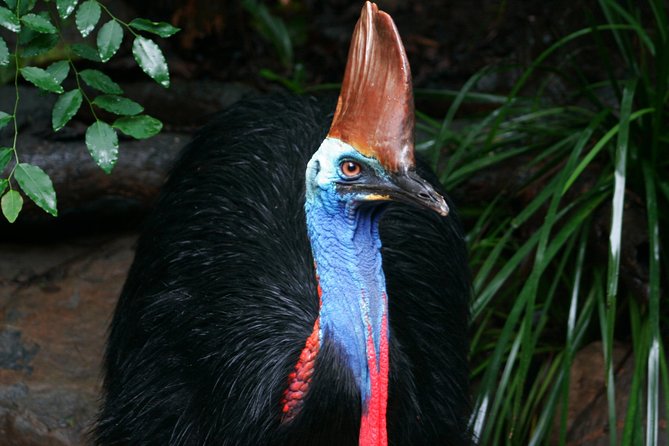
In the rainforest section, you get a feel for how the forest stacks vertically. The exhibits are designed so you notice the layers, not only the animals on the ground. A highlight here is the southern cassowary, an animal many people only ever see on TV and in photos.
Next comes the wetlands area, where birdlife becomes the main event. The layout gives you space to scan and walk slowly, and there is a stork walk style path where you look out for local birds and other wildlife.
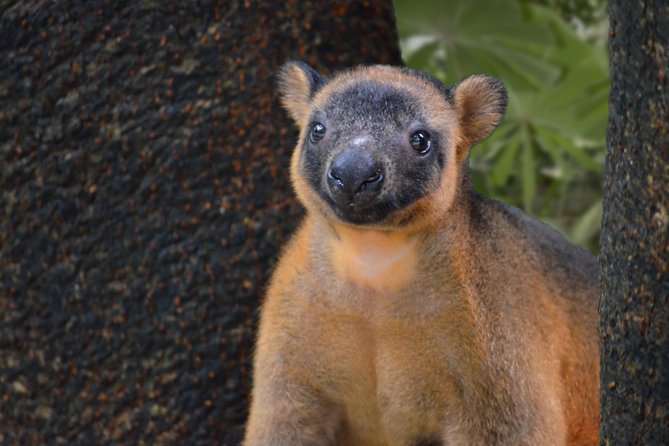
Then you head into the savannah-style habitat. This is where the experience often becomes more interactive. Expect emus roaming in the area, and you can often get very close to kangaroos and wallabies. Depending on the timing of the day, you might also find Lumholtz’s tree kangaroo highlighted in this broader open environment feel.
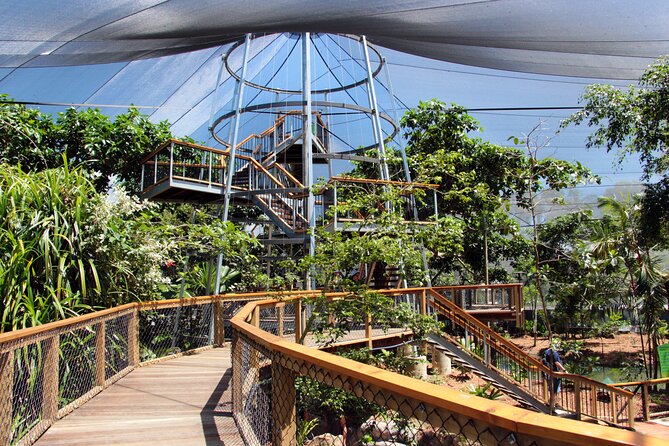
Finally, there are treetop canopy style views. This part is a big plus if your visit feels like it will be all ground-level animals. Getting up above the main paths adds a different angle for birds and the rainforest feel.
A practical note on pace
The park is easy to navigate, but it is not the kind of place you sprint through. I think it works best when you plan for a few hours, not just a quick stop. The more time you give yourself, the more the small details start adding up, like where birds are perching and which animals are most active at different times of day.
Rainforest highlights: cassowary time and spotting wildlife the easy way
The rainforest habitat is where Wildlife Habitat starts to feel like a mini ecosystem instead of a checklist. You get the chance to admire the structure of the habitat, and you will often find wildlife tucked into the places you might overlook in a faster visit.
The southern cassowary is the animal to watch for here. It is not always going to pose for your camera the second you walk in. The win is learning to slow down, scan, and keep your eyes moving through the space rather than staring at one spot.
One of the most useful things about a place like this is that it trains your attention. Even when an animal is not directly in your view, the sights and sounds help you figure out where to look next. If you have done wildlife drives on your trip, you will recognize that skill right away, but here you do it on foot.
A few more Port Douglas trips to compare
- Port Douglas: Afternoon Daintree Tour w/ Wildlife Cruise
★ 4.6 · 75 reviews - Port Douglas: Morning Daintree Tour w/ Wildlife Cruise
★ 4.9 · 34 reviews - Port Douglas: Wildlife Habitat Swim with Crocodiles
★ 4.8 · 27 reviews - From Melbourne: Great Ocean Road, 12 Apostles, Wildlife Tour
★ 4.7 · 6,020 reviews
What to do if you care about photos
Cassowaries and some of the larger birds can be harder to photograph than the cuter, more stationary animals. That is not a deal breaker, but it is a reason I suggest you keep expectations realistic. The rainforest section is more about the experience and the chance of a good moment, not guaranteed perfect pictures.
Wetlands and birdlife: the part that surprises people most
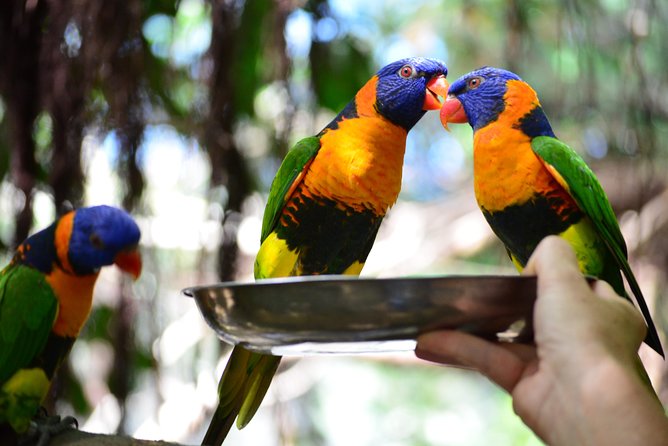
If you love birds, the wetlands and surrounding bird areas are a big reason this park earns its strong ratings. This is where you start noticing how many species are active in the same general area.
In this zone, you are doing more than walking a path. You are watching. Birds move quickly, and you get better results when you listen as well as look. Many people report that once they start paying attention to sound and motion, they spot more than they expected.
There is also a stork walk style experience. It is a nice approach because it gives you a specific walking track, not just a wide open yard. When you have a route in your head, you stop feeling lost, and you can spend more time scanning calmly.
A fun feature of bird areas at Wildlife Habitat is that some birds can act very comfortable around visitors. You might see birds land nearby or even on your shoulder. That sounds like a postcard moment, but it also comes with responsibility.
Bird safety in plain language
Birds can be friendly and still be unpredictable. Keep hands steady, avoid sudden movements, and don’t try to grab or startle them for a selfie. If you are carrying kangaroo food or any snacks, be extra careful, since birds may approach what looks like food.
Savannah encounters: emus, kangaroos, wallabies, and Lumholtz’s tree kangaroo
The savannah-style habitat is where the park feels the most like an interaction experience. It is not just about seeing animals. It is about being near them and understanding their space.
Emus are often part of this zone. They may not be the fastest movers, but they tend to stand in the open where you can observe behavior and body language.
The big crowd-pleaser is the chance to hand-feed kangaroos and wallabies. This is one of those activities that can turn a half-day visit into a memory you talk about later. If you do this, buy your food at the entrance area and follow staff guidance closely.
You should also expect that not every animal will want to interact at every moment. Some of the best interactions come when animals are calm and visitors are quiet.
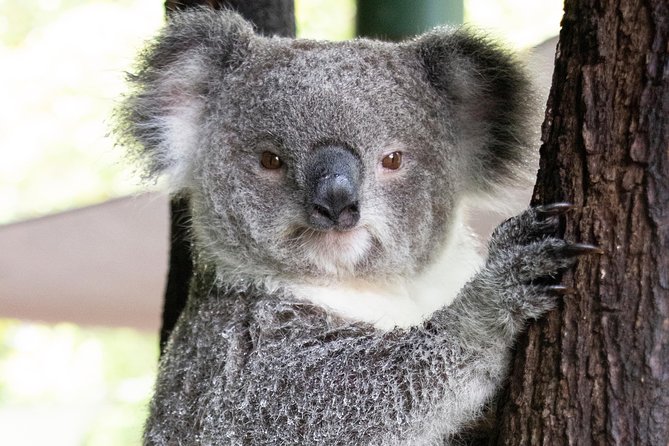
Lumholtz’s tree kangaroo may also be highlighted during your walk. It is a great add because it is a different kind of Australian wildlife, not just the ground marsupials. Tree kangaroos are also a reminder that not all the action is on the ground level.
A drawback to keep in mind
Not every animal is going to look like a perfect model. Some people find certain animals less photogenic depending on lighting or posture. That does not reduce the value, but it helps you plan for an observation-based visit rather than a photo-only mission.
Estuary and crocodile territory: talks, feeding moments, and optional croc swimming
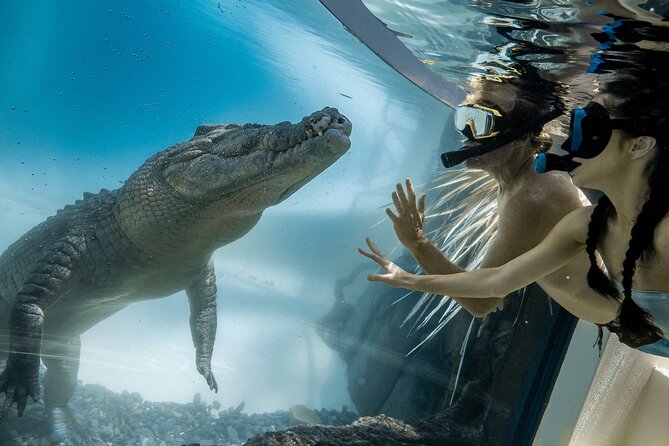
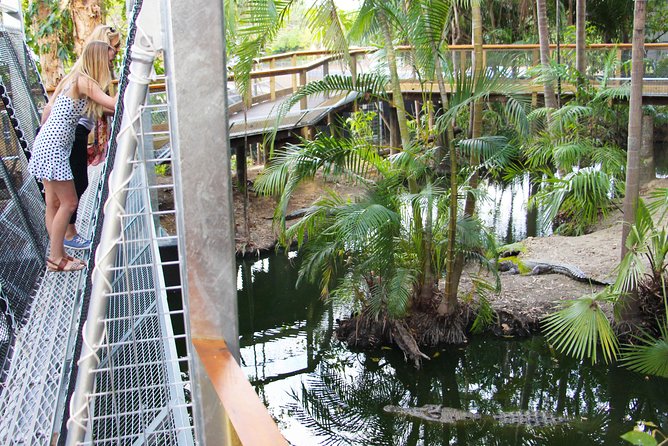
Crocodiles are a defining part of Wildlife Habitat’s appeal. The park’s aquatic zone is designed to show you estuarine territory themes and encourage you to learn through presentations.
The day-to-day experience includes crocodile talks and educational moments. You also get the chance to see crocodiles up close from safe viewing areas, and you can get a lot more from the exhibits when you listen to the presentation.
There is also an upgrade option for swimming with crocs. This is one of those add-ons that changes the vibe from passive viewing to active, guided experience. It is not included in the base ticket, so you need to decide if you want that extra adrenaline and structured time.
My practical advice
If crocodiles are your top priority, go earlier so you do not miss the more engaging show-style moments. Also, keep an eye on where you are walking during busy periods. The park is carefully managed, but crocodile zones still require you to stay within the intended routes and not wander off for a closer look.
Nocturnal habitat: starry-sky viewing and dim-label reality checks
The nocturnal habitat is where the park really changes gears. Instead of bright daytime viewing, you get a starry-sky atmosphere and the chance to see nocturnal critters.
This is a highlight for many visitors because it adds variety. You are not just repeating the same animal categories. You are seeing how animals behave when the light and atmosphere shift.
One consideration: the lighting can be low enough that label text may be hard to read. If labels matter to you, bring your best observational skills, and consider bringing a phone light only if it is allowed. At minimum, plan to focus on the animals first and the text second.
How to make the nocturnal section work for you
Give it time. Nocturnal exhibits are not always action-packed every minute. If you are patient, you tend to see more. If you rush, you can end up feeling like you waited in the dark for nothing.
Upgrades: breakfast with the birds and swimming with crocodiles
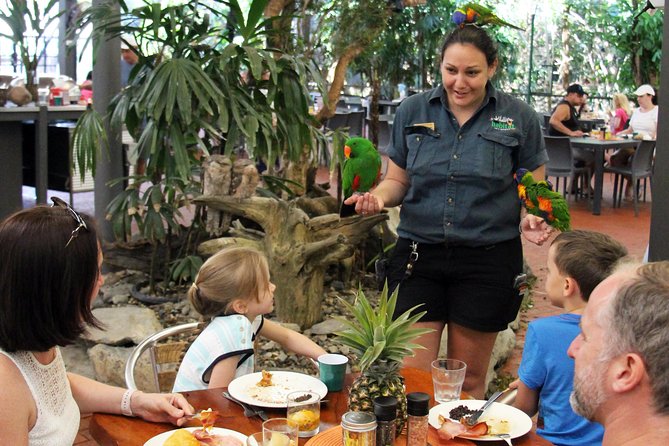
Wildlife Habitat offers upgrade options that can make the visit feel more tailored.
One upgrade is breakfast with the birds. If you like birds and want a calmer, more planned interaction moment, this is a strong choice. It also helps families, because it turns the visit into a morning activity rather than an afternoon scramble.
The other big upgrade is swimming with the crocodiles. This one is for people who want the full action version, but it is also worth considering the tradeoff. Upgrades add cost, and they may shorten how much relaxed walking time you have across other habitats.
How to choose
If you are traveling with kids, or if birds are the thing you care about most, breakfast with birds can be a smart splurge. If crocodiles are your top attraction and you want a once-in-a-lifetime moment, the croc swimming upgrade can be worth it.
Value and ticket pricing: why 36 dollars can feel like more
At around $36.22 per person, this ticket price can feel like a bargain in a place that combines multiple habitats, talks, and multiple animal interaction moments. The key is that your ticket includes the park’s tours and presentations, so you are not constantly deciding whether to pay extra to learn more.
The value gets even better because you get five-day re-entry. If you are staying in the area for multiple days, you can return when the timing works for you, catch presentations you missed the first time, or revisit an animal zone when it is more active.
Also, the park can stretch from a quick few hours to a longer visit. If you only have limited time, you can focus on the main interaction areas. If you have more time, you get to enjoy the habitats more slowly and discover more of the small details.
Timing, logistics, and how to avoid the common annoyances
Two time-based tips make a real difference here.
First, last entry is at 3:30pm. If you arrive later than that, you will miss portions of the park and potentially some talks and feeding moments.
Second, if you want the full rhythm of presentations, plan to come earlier rather than treating this as a last-minute stop. Some of the best interactive experiences depend on the day schedule.
Logistics-wise, there is no hotel pickup included. You will need to make your own way to the center, and it is near public transportation, which helps if you are not renting a car.
Small things that matter
- Bring insect repellent. Some reviews highlight that birds can nip and that bug spray helps you feel more comfortable.
- Use kangaroo food the right way. If you buy food, follow the rules closely so animals stay calm and you keep your hands safe.
- Expect steps in places. If stairs are not your thing, note that you may need to climb to access higher areas.
- Watch your surroundings around birds. Cockatoos can be aggressive if they feel threatened, and pelicans can also get defensive.
Who this Port Douglas wildlife day is best for
This is a great fit if you want an Australian wildlife experience that is easy to understand and simple to plan. It works well for families, couples, and anyone who has already seen some wildlife but wants a closer look without adding a stack of separate tours.
It is also a strong choice if you like variety. You get rainforest viewing, wetlands bird scanning, savannah interactions, and a nocturnal section in one place.
If you are the type of traveler who wants only the wildest, most natural settings with zero human interaction, you might feel mixed. But if you can accept that this is a managed, visitor-friendly wildlife center, you will likely enjoy how much you see and learn in a short time.
Should you book Wildlife Habitat Port Douglas?
I would book it if you want a high-value wildlife stop with included talks, multiple habitats, and real hands-on moments like hand-feeding kangaroos and wallabies. The five-day re-entry also makes it lower stress. You can return if your timing is off or if you want a second look at the animals you cared about most.
I would think twice if you are very sensitive to close-range animal interactions or if you know you will not cope well with birds that can approach quickly. In that case, adjust your expectations and focus on calm viewing, not selfies.
FAQ
What does the Wildlife Habitat Port Douglas ticket include?
Your ticket includes free tours and presentations run at the center, plus a five-day re-entry ticket.
How long should I plan to spend there?
The experience runs about 1 to 4 hours, depending on how much time you want for walking, presentations, and animal interactions.
Is there an option to return another day?
Yes. The ticket includes five-day re-entry, so you can come back within that window.
Is hotel pickup and drop-off included?
No. Hotel pickup and drop-off are not included.
What is the last entry time?
Last entry to the park is at 3:30pm.
Are there any paid upgrades?
Yes. You can upgrade to include breakfast with the birds or swimming with the crocodiles.
Newest Port Douglas reviews on the site
- Southern Daintree Explorer Tour – Half Day★ 4.1 · 28 reviews
- Port Douglas: World Heritage Forest by Skyrail & Scenic Rail★ 4.2 · 10 reviews
- Port Douglas: Silversonic Great Barrier Reef Dive & Snorkel★ 4.8 · 353 reviews
- Port Douglas: Wildlife Habitat Swim with Crocodiles★ 4.8 · 27 reviews
- Port Douglas: Sunset Cruise on a Chinese Shaolin Junk Ship★ 4.7 · 169 reviews
- From Port Douglas: Barramundi Pond Fishing with Lunch★ 4.9 · 21 reviews
- Port Douglas: River Cruise, Crocodile Spotting, Drink/ Snack★ 4.6 · 353 reviews
- Port Douglas: Poseidon Outer Barrier Reef Dive and Snorkel★ 4.8 · 19 reviews
Wildlife, compared.
Penguin Parade, & Wildlife Encounters Eco Tour from Melbourne
Read our review →
Blue Mountain Small Group Scenic World, Wildlife, Waterfall
Read our review →
Melbourne Great Ocean Rd Reverse Tour London Bridge Wildlife
Read our review →
Solar Whisper Daintree River Crocodile and Wildlife Cruise
Read our review →
Blue Mountains: Three Sisters, Scenic World and Wildlife park
Read our review →
Exclusive Blue Mountains Wildlife and Bushwalk Tour From Sydney
Read our review →
Browse the lists this tour appears in