
Reviewed · BLUE MOUNTAINS TOURS
Small-Group Weekend Rock Climbing Adventure from Katoomba
Cram real skills into two perfect climbing days. You get hands-on safety skills and then move onto Blue Mountains rock time, guided by instructors with names like Scott, Liam, and Pedro who are praised for clear teaching and a serious focus on safety.
Moderate fitness helps, because you are climbing, moving around on rock, and learning rope systems for two days, and the course needs good weather. If you’re already an advanced outdoor climber, this course may feel more like training than nonstop lead climbing.
You meet at 8:45am at 166 Katoomba St, and the weekend runs with a small group (up to 15), all the gear you need, plus lunch each day. It’s a smart bridge from indoor gym walls to real outdoor climbing, including abseiling and belaying fundamentals.
In This Review
- Key takeaways
- A Two-Day Intro to Blue Mountains Rock Climbing from Katoomba
- Meeting at Paddy Pallin in Katoomba (8:45am Start)
- Day 1: From Safety Awareness to Belaying on Real Rock
- Day 1 Abseiling and Rope Skills: Why It Feels Valuable
- Day 2: Varied Outdoor Climbing and Skill Development
- Small Group Size (Max 15) Helps More Than You Think
- Certified Instructors and the Safety-First Teaching Style
- What’s Included in the Price, and Why $394.48 Can Be Good Value
- Logistics That Affect Your Comfort (Gear, Weather, and Timing)
- What You’ll Actually Be Doing Each Day (No Guesswork)
- Who This Course Is Best For in the Blue Mountains
- A Practical Packing Checklist (So You’re Not Rushed)
- Should You Book This Blue Mountains Rock Course?
- FAQ
- Where do I meet for the course?
- What time does it start?
- How long is the adventure?
- How many people are in the group?
- What ages can join?
- What’s included in the course fee?
- Is accommodation or pickup included?
Key takeaways
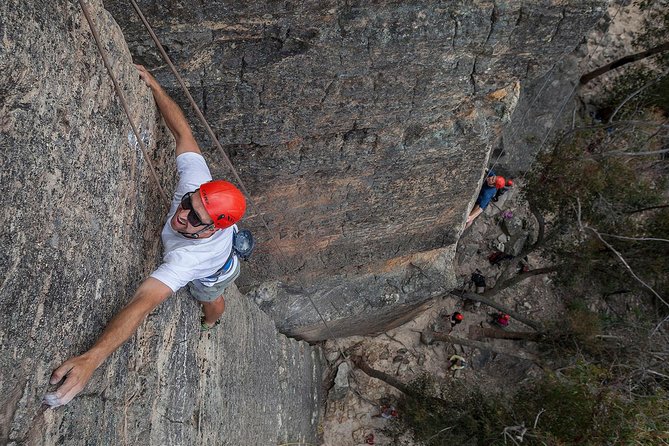
- Beginner-friendly progression that starts with safety awareness and rope handling before you spend big chunks of time on rock
- Abseiling and belay technique training so you understand what’s happening, not just what to do
- Equipment included (ropes, helmets, harnesses, climbing shoes, and technical hardware) so you can travel lighter
- Two-day format with day one focused on skills and day two aimed at lots of varied climbs
- Certified instruction in a max 15-person group, which helps you get your questions answered fast
- Lunch included both days, and you can request dietary requirements when you book
A Two-Day Intro to Blue Mountains Rock Climbing from Katoomba

This is one of those Blue Mountains experiences that makes total sense for visitors who want outdoor adventure without the chaos of figuring everything out alone. You’re not just getting taken to a cliff. You’re learning the why behind rope systems and movement on rock, then practicing it with guidance close by.
The course is built for people with little or no outdoor climbing experience. That includes gym regulars who can climb well indoors but have not yet done proper belaying, knots, and abseiling on real rock. If that describes you, you’ll likely appreciate the structure: first you get safety and rope skills nailed down, then you use them immediately on graduated climbs in some of the Blue Mountains’ famous terrain.
And yes, it’s genuinely focused on learning. The second day is devoted to more climbing and variety, while the instructors keep steering you toward better technique as you go.
More Blue Mountains days out:
- All Inclusive Blue Mountain,Scenic World,Lunch,Koalas,ferry
★ 5.0 · 7,832 reviews - From Sydney: Blue Mountains Full-Day Trip
★ 4.5 · 4,471 reviews - Blue Mountains Small-Group Tour from Sydney with Scenic World,Sydney Zoo & Ferry
★ 5.0 · 3,709 reviews
Meeting at Paddy Pallin in Katoomba (8:45am Start)
Your weekend begins at the Paddy Pallin Adventure Centre area in Katoomba, with a 8:45am start. The meeting point is listed as 166 Katoomba St, Katoomba NSW 2780. The activity also ends back at the meeting point at the end of the course.
This matters more than it sounds. A consistent start time means the first day can begin with classroom-style safety and rope instruction, then switch to practical climbing while your energy is high. It also reduces the guesswork for you, since you’re not relying on hotel pickup schedules that can add uncertainty when you’re traveling.
One practical note: the experience does not include hotel pickup and drop-off. If you’re staying outside central Katoomba, plan your arrival and return route ahead of time.
Day 1: From Safety Awareness to Belaying on Real Rock
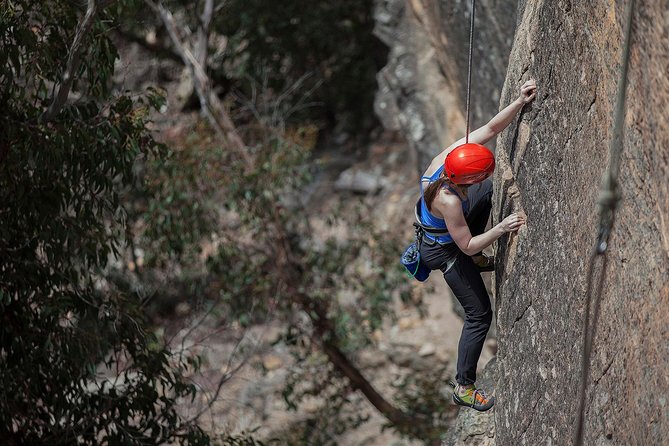
The first day is the skills foundation day, and it’s honestly where most people gain confidence fast. You start by building safety awareness and belaying skills, then you move straight to rock to put those ideas into action.
Here’s what day one is designed to teach you, step by step:
- Safe movement on rock, including how to use the rock surface efficiently
- How to use climbing equipment properly
- Rope handling basics, so the system makes sense in your hands
- Knots (including tying knots correctly)
- Belay anchors and how to set up what keeps you secure
- Correct belay technique
- Footholds and handholds, including practical ways to read the rock
You’re also trained on abseiling fundamentals early. That’s a big deal for beginners, because abseiling changes how you think about gravity, rope control, and calm decision-making. Instead of treating it as a thrill ride, you learn it as a controlled movement with clear technique.
The instructors are with you during graduated climbs, meaning you should not be thrown into “try not to panic” situations. The whole pace is meant to move you from understanding to competence.
Day 1 Abseiling and Rope Skills: Why It Feels Valuable

Abseiling can be intimidating if you’ve only ever done it in a video. The course keeps it grounded in technique and repetition. You’re taught modern abseiling and rockclimbing equipment, plus you practice the core moves until they become less mysterious.
What I like about this approach is that it reduces the mental gap between instruction and doing. You don’t just watch someone clip, tie, and descend. You learn the parts that make the system work: rope handling, anchors, technique, and how to move safely while you’re attached to the system.
Even if you’re a strong indoor climber, the rope world is different outdoors. Indoor climbing often hides the most important safety steps behind staff and gym systems. Here, you learn those systems for yourself, so you can climb with experienced leaders on short, moderately graded climbs afterward.
Same part of the map, a completely different day:
- Blue Mountain Small Group Scenic World, Wildlife, Waterfall
★ 4.8 · 3,428 reviews - Blue Mountains Day Trip from Sydney Including Scenic World
★ 4.5 · 2,420 reviews - From Sydney: Blue Mountains Tour with Waterfall Walk & Lunch
★ 4.8 · 2,400 reviews - Blue Mountains Adventure: Scenic World, Zoo & Koala Photo
★ 4.7 · 2,062 reviews
Day 2: Varied Outdoor Climbing and Skill Development
Day two shifts gears. The goal becomes straightforward: the instructor wants you on as many varied climbs as possible, using what you learned on day one. It’s still instruction, just less “how this works” and more “how do I do this better?”
This is where most beginners start to feel the reward. After you’ve learned belaying, knots, and movement on rock, you can focus on technique and progress rather than only on safety mechanics. You should come away with a clearer understanding of what makes a climb easier, including how to choose footholds, how to distribute movement, and how to keep your body calm while you’re on a real cliff.
Because day two is designed around lots of climbing opportunities, it’s especially useful if your main goal is confidence. You’re not just checking off one descent. You’re building the habit of applying technique repeatedly under guidance.
Small Group Size (Max 15) Helps More Than You Think
A maximum group size of 15 might sound like a small detail, but it directly affects your learning. In a large group, you can spend long stretches waiting your turn, or you might get less time to correct mistakes quickly.
Here, the structure supports quicker feedback. It also means your instructor can adjust the learning pace when you struggle with a knot, a belay check, or the flow of movement on rock. That’s the kind of coaching that turns “I think I understand” into “I can do this.”
The reviews also point to instructors adjusting routes and climbing to match grades. That kind of adaptation is easier when the group is not oversized.
Certified Instructors and the Safety-First Teaching Style

You’re guided by Nationally and Internationally certified climbing instructors, and that certification matters because rope work is not the place to learn by trial and error. The course also emphasizes that it’s safe, fun, and exhilarating, but the key word is safe.
Based on the instruction style associated with guides like Scott, Liam, Pedro, Zuza, and Lewis, the standout theme is teaching that is patient and organized. That shows up in the way beginners are described as taking on climbing tasks independently over time.
If you’re nervous about getting the “everyone watches you” treatment, this course is designed for the exact opposite. You learn the systems first, then you practice them with guidance. As you build competence, you should feel more control instead of more pressure.
What’s Included in the Price, and Why $394.48 Can Be Good Value

The price is listed at $394.48 per person for the 2-day course. To judge value, look at what you’re not paying for separately.
The fee includes:
- National Park fees
- A professional guide
- All technical equipment: ropes, helmets, harnesses, technical hardware, climbing shoes
- Lunch each day
- GST
On a typical trip, renting gear and paying for guided climbing can add up quickly. Here, you’re also getting formal instruction in knots, belay anchors, belaying technique, and abseiling fundamentals. That’s not just “come climb.” It’s coaching in the skills that let you climb outdoors safely.
What’s not included is also clear:
- Accommodation
- Hotel pickup and drop-off
- Drinks unless specified
So the tradeoff is simple. You’ll pay for the course and you’ll handle your own lodging, but you avoid extra costs for gear rental and park fees, and you get the instruction delivered as part of the program.
Logistics That Affect Your Comfort (Gear, Weather, and Timing)
This experience requires good weather. Since it’s outdoors climbing, weather can affect whether you can climb safely. The operator will offer a different date or a full refund if it’s canceled due to poor weather.
Plan for this like you would for any outdoor adventure in the Blue Mountains. If you’re traveling from another region, build in a bit of flexibility in your weekend schedule.
You should also have a moderate physical fitness level. That doesn’t mean you need to be a fitness fanatic. It does mean you should be ready to move actively, handle equipment, and keep up during multiple climbing sessions.
Also, there’s a minimum age of 14. Children must be accompanied by an adult. That makes the course potentially good for families where at least one adult will be hands-on with the learning process.
What You’ll Actually Be Doing Each Day (No Guesswork)
If you like clarity, this course gives it. Day one is built around:
- Safety awareness
- Belaying skills and correct techniques
- Rope handling, knots, and belay anchors
- Fundamentals of rock movement and efficient use of holds
- Abseiling training
- Graduated climbs with instructor supervision
Day two is built around:
- More climbing time
- Lots of varied climbs
- Continued coaching focused on technique development
This matters because it’s not just “a day of climbing.” It’s a sequence that builds skills before you fully test them on rock.
Who This Course Is Best For in the Blue Mountains
This is ideal if you fit one of these boxes:
- You’ve climbed in an indoor gym and want to transfer those skills outdoors
- You’ve wanted to learn abseiling and belaying properly
- You want a guided, structured introduction without guessing at safety systems
- You prefer a small group pace and hands-on coaching
It may be less ideal if you already climb outdoors regularly, tie knots confidently, and abseil with ease. In that case, you might want a more advanced course focused on harder climbing or leading. This program is designed as an intro course, and it leans hard into fundamentals.
A Practical Packing Checklist (So You’re Not Rushed)
The course includes climbing shoes, helmets, harnesses, and technical gear, so your packing load is lighter than most outdoor adventure days. What you should bring is mostly about comfort and staying warm if the Blue Mountains weather shifts.
Pack clothing you can move in, plus layers you can adjust. Since abseiling and climbing involve skin contact and movement on rock, bring something you don’t mind getting a little scuffed. For lunch, you can request special dietary requirements when you book, since lunch is included each day.
If you’re the kind of person who likes to be prepared, bring a refillable water bottle too. The listing doesn’t clearly promise drinks during the day, so having your own water plan keeps you comfortable.
Should You Book This Blue Mountains Rock Course?
I’d book it if you want real outdoor rock climbing confidence and you’re starting from little or no outdoor experience. The two-day format is a smart way to learn safety systems like belay technique, knots, and abseiling, then immediately apply them on climbs. Add in the small group size, included gear, and lunch, and you get good value without the stress of sorting rentals or lesson planning yourself.
I’d think twice if you need nonstop climbing with no training component, or if your fitness is a concern. Also, if you’re far from Katoomba, you’ll need to handle getting to 166 Katoomba St on your own since pickup is not included.
If you want a weekend that turns fear into competence, this course is built for that exact outcome.
FAQ
Where do I meet for the course?
You’ll meet at 166 Katoomba St, Katoomba NSW 2780. The activity ends back at the same meeting point.
What time does it start?
Start time is 8:45am.
How long is the adventure?
It runs for 2 days, approximately.
How many people are in the group?
The experience has a maximum of 15 travelers.
What ages can join?
The minimum age is 14. Children must be accompanied by an adult.
What’s included in the course fee?
The fee includes National Park fees, a professional guide, all technical equipment (including ropes, helmets, harnesses, technical hardware, and climbing shoes), lunch each day, and GST.
Is accommodation or pickup included?
Accommodation is not included, and hotel pickup and drop-off are also not included. Drinks are not included unless specified.
Newest Blue Mountains reviews on the site
- Fully Inclusive Blue Mountains Private Tour inc Scenic World & Featherdale Entry★ 5.0 · 56 reviews
- Ultimate All Inclusive Blue Mountains with Scenic World Tour★ 5.0 · 23 reviews
- Ultimate Blue Mountains Private Tour with Scenic World and Wildlife Park★ 5.0 · 10 reviews
- Sydney: Luxury Blue Mountains Adventure as a Small Group Day Tour★ 5.0 · 119 reviews
- Blue Mountains Small Group Tour with Lunch, Zoo and Scenic World★ 5.0 · 25 reviews
- Private Tour: Blue Mountains Day Trip from Sydney★ 5.0 · 66 reviews
- Private Blue Mountains Tour | Waterfalls, Koalas & Views★ 5.0 · 28 reviews
- Private Guided Tour: Blue Mountains Tour from Sydney★ 5.0 · 43 reviews
Blue Mountains Tours, compared.
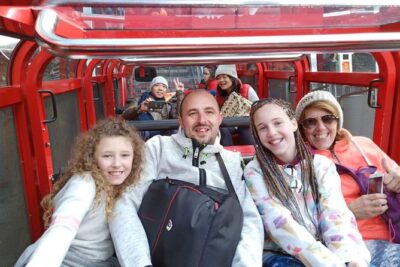
All Inclusive Blue Mountain,Scenic World,Lunch,Koalas,ferry
Read our review →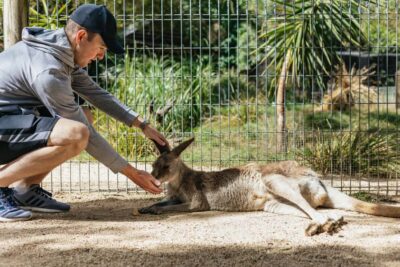
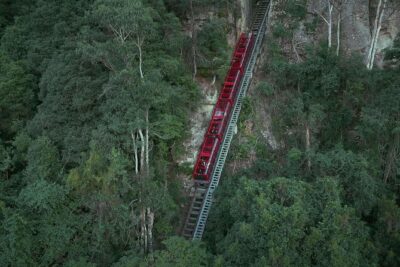
Blue Mountains Small-Group Tour from Sydney with Scenic World,Sydney Zoo & Ferry
Read our review →
Blue Mountain Small Group Scenic World, Wildlife, Waterfall
Read our review →
Blue Mountains Day Trip from Sydney Including Scenic World
Read our review →
Blue Mountains Tour with Waterfall Walk & Lunch
Read our review →
Blue Mountains Adventure: Scenic World, Zoo & Koala Photo
Read our review →
Blue Mountains Day Tour Including Parramatta River Cruise
Read our review →Browse the lists this tour appears in