
Reviewed · DARWIN TOURS
Royal Flying Doctor Service Tourist Facility: Two Iconic Territory Stories
Darwin’s lifesaving story is presented up close.
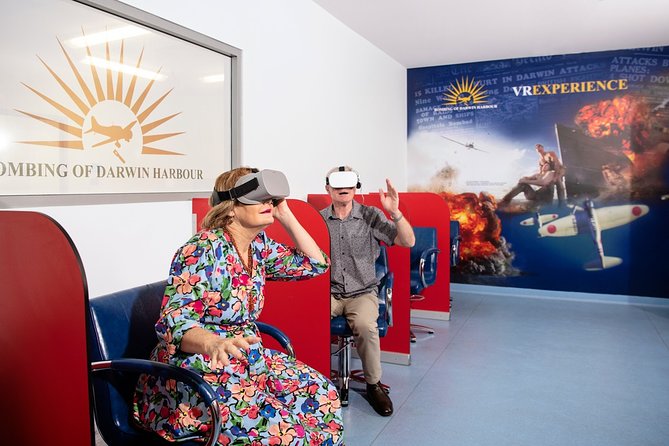
The Royal Flying Doctor Service Tourist Facility turns two major Territory narratives into something you can actually follow, with hologram cinema and hands-on tech in an indoor, air-conditioned setting.
I especially love the two iconic stories packed into the same visit: Rev John Flynn’s vision for the RFDS, and the WWII Bombing of Darwin.
I also like that it’s truly self-guided, with an intro overview, so you can pause, backtrack, and go at your own pace without feeling rushed.
One drawback to plan for: it’s a compact facility, so if you want hours of deep military detail only, you might finish sooner than you expect and wish there was more time built in.
In This Review
- Key moments worth planning around
- Two iconic Territory stories under one Darwin roof
- Hologram cinema: Rev John Flynn’s vision made visible
- Step into an aero-medically equipped Pilatus PC-12
- WWII Bombing of Darwin: VR presentation with a respectful tone
- How the self-guided experience keeps your pace comfortable
- Family-friendly tech, not just static displays
- Timing your visit: entrance times and a realistic 2-hour plan
- Price and value: what $21.52 buys you in Darwin
- Accessibility and comfort details that matter on the day
- The gift shop and souvenirs: plan for shopping expectations
- Should you book the Royal Flying Doctor Service Tourist Facility?
- FAQ
- How much does the Royal Flying Doctor Service Tourist Facility cost?
- How long should I plan to spend at the facility?
- Is the visit self-guided?
- What technology and interactive experiences are included?
- Is there translation available for the hologram cinema sessions?
- Is the facility indoors and air-conditioned?
- Is the facility accessible for people with disabilities?
- Is this activity private?
Key moments worth planning around
- Hologram cinema brings Rev John Flynn’s vision to life with a life-size hologram theatre experience
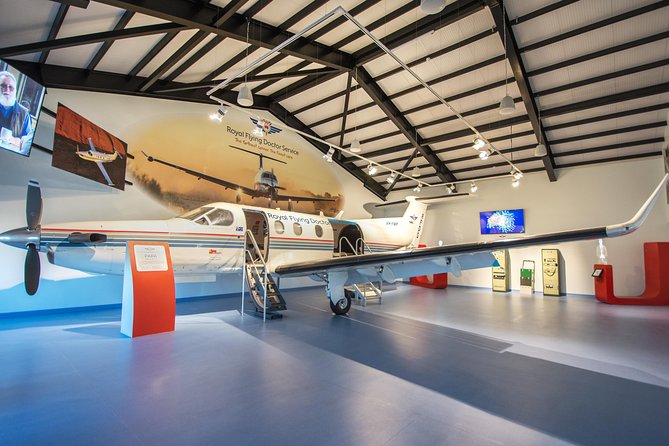
- Aero-medically equipped Pilatus PC-12 lets you explore a decommissioned aircraft setup
- VR WWII storytelling shows the Bombing of Darwin experience using interactive virtual components
- Flexible entry times help you fit it around Darwin weather and your day
- Audio translation is available for hologram cinema sessions in Japanese, German, French, and Simplified Chinese
- Family-friendly interactivity makes it easier for kids to stay engaged while adults learn a lot
Two iconic Territory stories under one Darwin roof
The Royal Flying Doctor Service Tourist Facility is a smart stop in Darwin if you want more than a quick museum glance. You’re not just reading about medicine in the outback, and you’re not just seeing WWII exhibits either. The place blends both themes into one journey: how the RFDS was imagined and built, then how Darwin’s wartime experience shaped the Territory and its people.
You get the best of both worlds without the commute juggling of doing two separate attractions. Because it’s indoors and air-conditioned, it also works well when Darwin weather is doing its own thing. And since there are plenty of seating options, it’s not a “stand the whole time” kind of visit.
A few more Darwin trips to compare
- Litchfield National Park and Jumping Crocodile Cruise
★ 5.0 · 2,119 reviews - Adelaide River Cruises – Jumping Crocodile Experience
★ 5.0 · 997 reviews - Sunset 3-Hour Cruise from Darwin with Dinner and Sparkling Wine
★ 5.0 · 980 reviews
Hologram cinema: Rev John Flynn’s vision made visible
The headliner experience is a hologram cinema presentation about Rev John Flynn. Instead of treating him like a name in a caption, the facility uses holographic technology to tell his vision, and how it became the RFDS you know today.
What I like about this format is how it sets context before you start walking around. When you understand the why, the rest of the displays feel less random and more connected. The museum also offers audio translation for the hologram cinema sessions in Japanese, German, French, and Simplified Chinese, which is a real quality-of-life feature if you’re not traveling in English.
It’s also a good choice for families. Kids can grasp the idea of a mission and a network, not just a timeline. Adults still get the meaning behind the story, without it turning into a lecture.
Step into an aero-medically equipped Pilatus PC-12
Next, you can climb aboard a decommissioned RFDS Pilatus PC-12 that’s displayed with an aero-medical setup. This is where the visit gets grounded and physical. You can see how the aircraft is configured for the reality of medical air operations, and that brings the whole outback service concept into sharper focus.
From a practical point of view, this part is worth slowing down for. You’ll likely spot details that help you understand how challenging remote rescues really are, and why the system depends on more than one profession. The facility highlights the teamwork behind the scenes, including pilots, engineers, doctors, and nurses, and it connects those roles to what patients go through each day.
There’s also VR content mixed into the flow, but the plane walk-through gives you something you can physically orient yourself with. In reviews, people often call out the aircraft walk as a highlight, including the sense of how much can fit into a small space and the chance to get close to cockpit areas.
WWII Bombing of Darwin: VR presentation with a respectful tone
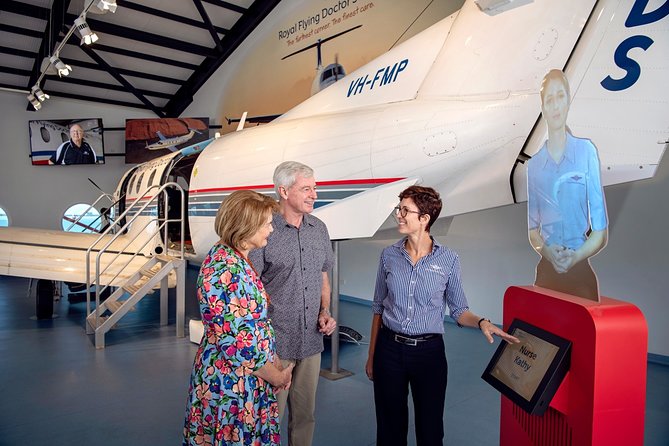
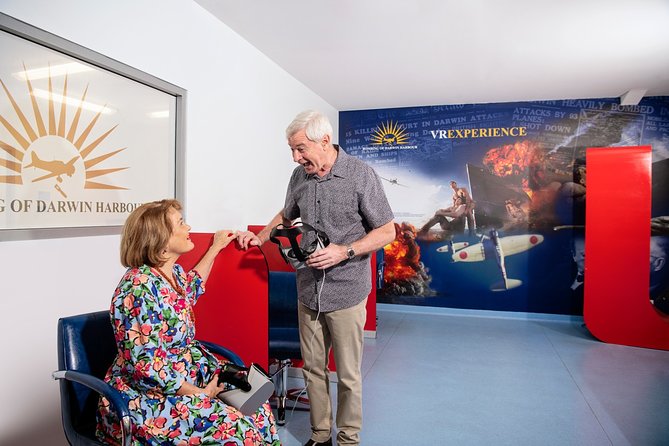
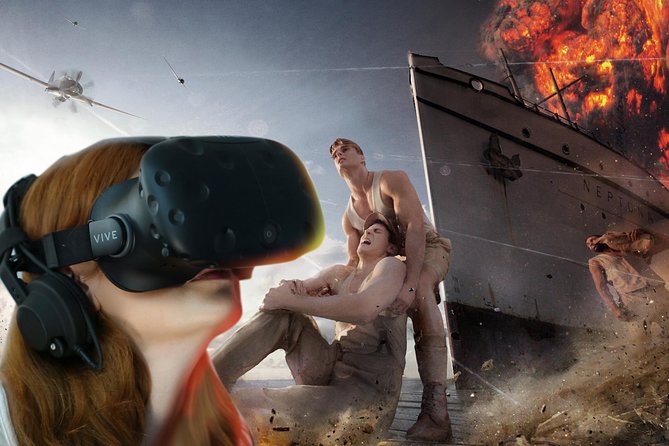
The second iconic storyline is the bombing of Darwin in 1942. Here, the facility uses virtual reality experiences and multimedia theatre components to tell that story.
The practical upside of doing this in a dedicated museum setting is pacing. You can handle the emotional weight of wartime events without it being sandwiched between unrelated attractions. The facility frames the experience in a way meant to honor the people involved, and the technology helps you understand what it was like without turning it into cheap spectacle.
VR can also be easier to remember than text alone, especially if you want a mental picture of the event. If you’re visiting with kids or teens, this is often the part that keeps attention. The VR and theatre elements are the most “wow” components, but they’re also tied to the broader themes of survival, service, and recovery.
Same part of the map, a completely different day:
- From Darwin: Litchfield Park Tour & Jumping Crocodile Cruise
★ 4.9 · 829 reviews - Charles Darwin Dinner Cruise
★ 4.5 · 820 reviews - Kakadu Day Tour from Darwin with Offroad Dreaming
★ 5.0 · 776 reviews - Cape Adieu Darwin Sunset Dinner Cruise
★ 5.0 · 750 reviews
How the self-guided experience keeps your pace comfortable
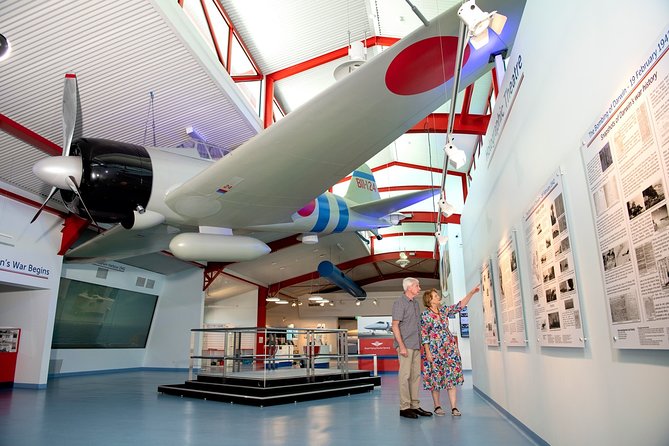
The facility is self-guided, but you’re not left completely on your own. You get an introductory overview, then you move through at your pace. That matters, because a two-hour museum visit can feel frantic if you’re forced to follow a strict script.
You’ll want to use a simple strategy: start with the hologram cinema first to get the mission context, then shift to the aircraft, then return to the WWII story components when you feel ready for that heavier material. If you’re traveling with mixed ages, this order can help keep everyone engaged. Kids tend to respond to the VR and the aircraft more quickly, while adults often enjoy settling into the timeline once it’s framed.
Also, since the museum includes multiple seating options, you can build in short breaks. That’s handy in Darwin, where even indoor air-conditioning can’t stop the day from feeling long if you’re also out sightseeing.
Family-friendly tech, not just static displays
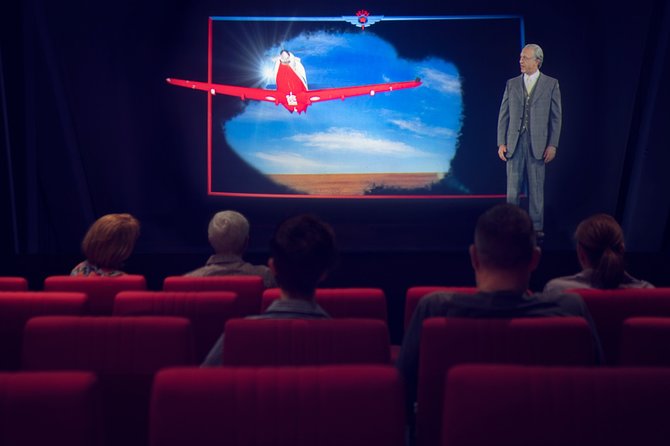
This is one of those museums where the technology is used to support understanding, not replace it. The facility includes interactive exhibits like VR, theatre presentations, and the aircraft walk-through, which gives it a hands-on feel.
What makes it genuinely family-friendly is that different parts appeal to different types of learners. If you’re traveling with children, they can latch onto the aircraft and VR visuals. If you’re traveling as adults, you can focus on the RFDS purpose, the roles involved, and the WWII connection.
It also helps that the museum is indoors and air-conditioned. That small detail can make or break a day with kids, because you’re not playing “tourist in the heat” the whole time.
Timing your visit: entrance times and a realistic 2-hour plan
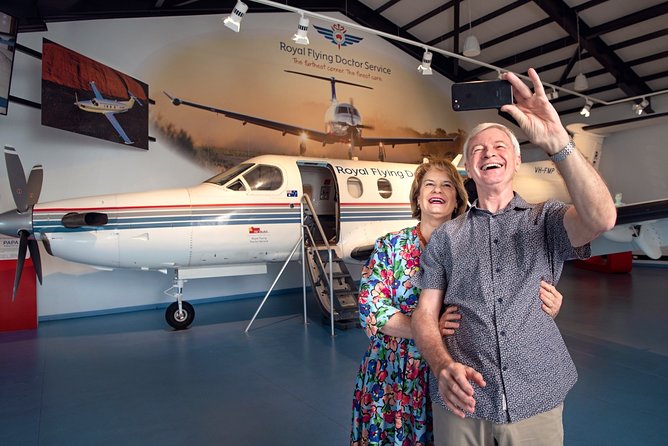
The duration is listed at about 2 hours, and that matches how most people should plan it. Still, I’d treat it as a flexible range rather than a stopwatch.
You have choice of entrance times throughout the day, which is helpful for fitting it around lunch, ferry schedules, cruise stops, or just the rhythm of your Darwin day. If you’re aiming for an easy day flow, consider going around lunchtime and then eating nearby afterward. The facility’s location works well for that kind of plan.
If you only have a short attention span in your group, you could likely do the core theatre and aircraft segments without overextending. If you want to linger, the self-guided design lets you spend extra time with the displays and aircraft details.
Price and value: what $21.52 buys you in Darwin
At $21.52 per person, you’re paying for more than admission to a room of panels. This ticket covers a mix of media experiences, including hologram cinema and VR, plus the aircraft walk-through.
The value comes from the variety and the fact that it’s all in one place. You’re getting:
- Storytelling that explains the mission behind RFDS
- A physical aircraft experience that makes the service feel real
- A WWII Darwin story told with modern presentation tools
Compared with attractions that are either all theatre or all static exhibits, this blends both. It’s also designed to work as a standalone stop, not something you must bundle to feel like you got your money’s worth.
Accessibility and comfort details that matter on the day
This facility is complete disability access, with seating options throughout the space. If you need to move slowly, stop for breaks, or keep things comfortable for a mobility aid, you’ll likely find the layout supports that.
It’s also indoors and air-conditioned, which reduces the stress of finding shade and managing weather. Service animals are allowed too, which is an important check if you’re traveling with one.
If you want audio translation, note that the hologram cinema sessions have translation options in Japanese, German, French, and Simplified Chinese. That makes it easier to keep the main story accessible without relying on someone in your group to translate everything.
The gift shop and souvenirs: plan for shopping expectations
The facility does have a gift shop in the center of the building. It’s co-branded RFDS with RM Williams, and it includes items like clothing and belts, plus RFDS and Bombing of Darwin themed products such as T-shirts, hats, books, and collectibles.
One practical point: souvenirs are not included in the ticket price. If shopping is part of your plan, budget a little extra time at the end so you don’t feel rushed.
Should you book the Royal Flying Doctor Service Tourist Facility?
Book it if you want a Darwin stop that mixes medical history and WWII in a way that actually holds attention. I think it’s especially worth it if you’re traveling with family, or if you enjoy museums where tech supports the story instead of distracting from it.
Skip it if you’re looking for a long, academic deep study of one topic only. This is a focused facility, and it’s best when you treat it as a well-designed, high-impact stop rather than an all-day event.
If your goal is a meaningful, air-conditioned, story-driven experience with a look inside a real medical aircraft setup, this is an easy yes.
FAQ
How much does the Royal Flying Doctor Service Tourist Facility cost?
The experience is $21.52 per person.
How long should I plan to spend at the facility?
Plan about 2 hours for the experience (approx.).
Is the visit self-guided?
Yes, the facility experiences are self-guided, with an introductory overview provided for visitors.
What technology and interactive experiences are included?
You can expect interactive exhibits including a VR presentation and a life-size hologram cinema experience, plus an opportunity to explore inside an RFDS aircraft.
Is there translation available for the hologram cinema sessions?
Yes. Audio translation is available for hologram cinema sessions in Japanese, German, French, and Simplified Chinese.
Is the facility indoors and air-conditioned?
Yes, the facility is indoors and air-conditioned.
Is the facility accessible for people with disabilities?
Yes, it is completely disability accessible, and there are seating options throughout the facility.
Is this activity private?
Yes. It is a private tour or activity, and only your group will participate.
Newest Darwin reviews on the site
- Tiwi Islands Cultural Experience from Darwin Including Ferry★ 4.0 · 97 reviews
- Bombing of Darwin World War II Tour with Harbour Cruise★ 4.5 · 219 reviews
- Darwin Combo: The Bombing of Darwin Experience & Darwin Harbour Cruise★ 4.5 · 123 reviews
- 1-Hour Thunderball WWII Adventure Jet Skiing in Darwin★ 5.0 · 70 reviews
- Walk the Darwin Botanic Gardens★ 5.0 · 11 reviews
- Litchfield National Park Waterfalls & Wildlife Adventure Tour★ 5.0 · 30 reviews
- ETHICAL ADVENTURES – 1 Day premium Litchfield tour, small group★ 5.0 · 178 reviews
- Litchfield & Berry Springs VIP Adventure Day Tours (group of 11)★ 5.0 · 142 reviews
Darwin Tours, compared.
Litchfield National Park and Jumping Crocodile Cruise
Read our review →
Adelaide River Cruises – Jumping Crocodile Experience
Read our review →
Sunset 3-Hour Cruise from Darwin with Dinner and Sparkling Wine
Read our review →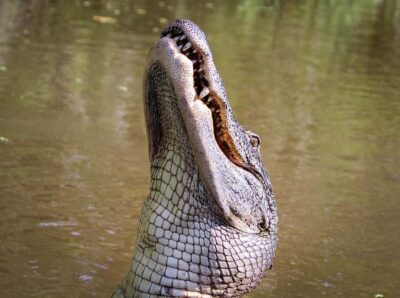
Litchfield Park Tour & Jumping Crocodile Cruise
Read our review →
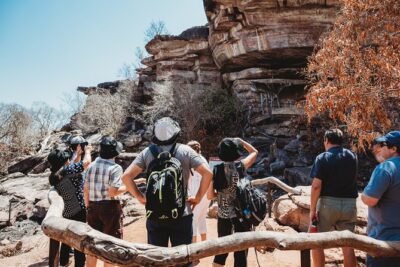
Kakadu Day Tour from Darwin with Offroad Dreaming
Read our review →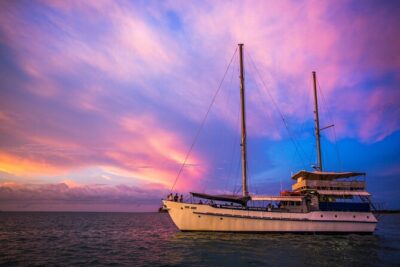

1 Day Corroboree Billabong Wetland Experience including 2.5 hour cruise + lunch
Read our review →Browse the lists this tour appears in