

Reviewed · FARMS
Rockhampton: Koorana Crocodile Farm Guided Tour
Crocodiles, explained up close, without the scary vibes. At Koorana Crocodile Farm in Rockhampton, I like the guided conservation focus and the chance to take a photo with a small croc. One thing to consider: this tour is hands-on and outdoors, so hot weather comfort matters.
What really makes it work is the way the guide turns “croc facts” into a story you can follow, then backs it up with live feeding and careful safety routines. In English, guides like Kia and Mel bring energy, clear explanations, and lots of chances to ask questions.
The tour is only 90 minutes, so you get a snapshot rather than an all-day experience. If you want a slow, detailed pacing for every topic, you may need to ask for clarification during the talk.
In This Review
- Key things to know before you go
- Koorana Crocodile Farm and the 90-minute pace near Rockhampton
- The intro talk and croc behavior video: how the tour sets expectations
- The farm walk and feeding: seeing behavior, not just animals
- Holding a small crocodile for a photo: safety, timing, and possible extra cost
- Eggs, nest raids, and hatching season: the conservation story in real time
- Price and value: is $28 for 90 minutes good?
- Who this tour suits best, and who should skip it
- Practical tips: what to bring for a hot, hands-on croc visit
- Final verdict: should you book Koorana Crocodile Farm guided tour?
- FAQ
- How long is the Koorana Crocodile Farm guided tour?
- How much does the Rockhampton Koorana Crocodile Farm tour cost?
- Is food and drinks included?
- What activities are included on the tour?
- What seasonal activities might I see at Koorana Crocodile Farm?
- Do I get to hold a crocodile?
- What should I bring?
- Is the tour suitable for young children?
- Is the tour suitable for pregnant women?
- What is the cancellation policy?
- What languages are tours offered in?
- How can I pay if my plans are uncertain?
Key things to know before you go
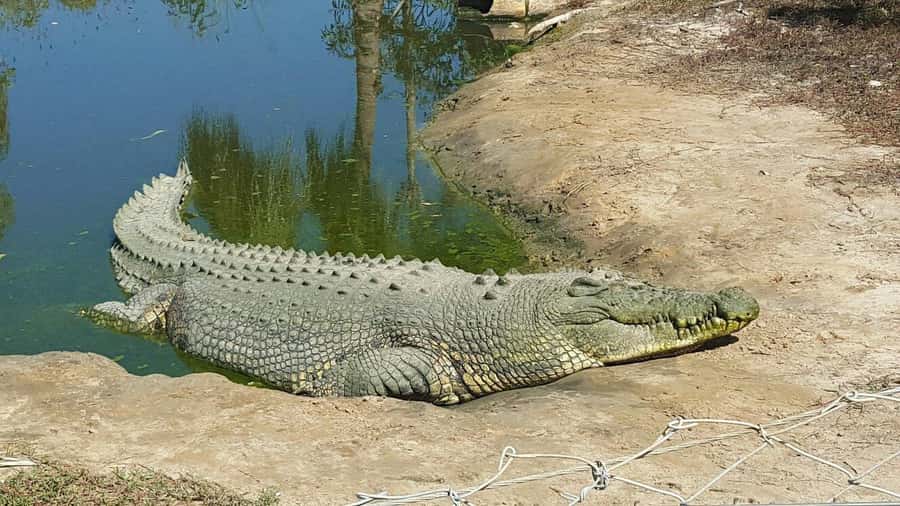
- Queensland’s first commercial crocodile farm means you’ll hear how farming ties into conservation and management.
- Hands-on photo time with a small crocodile is a standout moment, with safety handled by the staff.
- A short video presentation sets the stage so you understand what you’re seeing during the walk and feeding.
- Croc feeding on a farm walk shows behavior in action, not just in diagrams.
- Seasonal nest raids and hatching can add real-time drama between December and May.
- Guide-led safety and explanations in English keep the experience straightforward and engaging.
Koorana Crocodile Farm and the 90-minute pace near Rockhampton
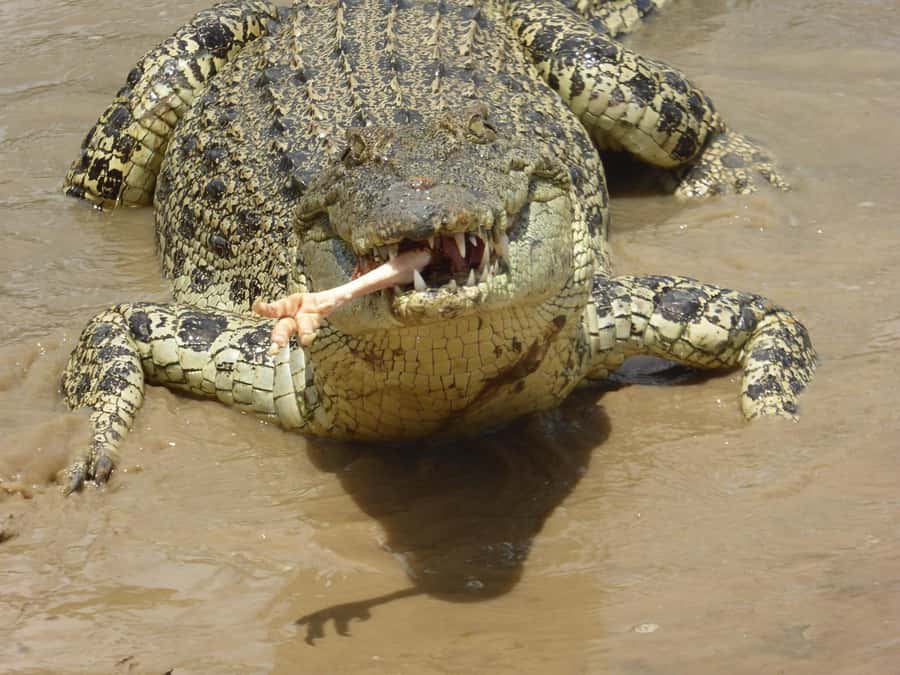
This is a tight, well-run wildlife experience built around one simple idea: crocs make more sense when you understand how they behave. The format is straightforward. You start with an intro session, then move through the farm with your guide, with feeding as the live centerpiece. The whole thing runs about 90 minutes, so it fits easily into a day on the Capricorn Coast area.
Even if you know nothing about crocodiles, the flow helps. You are not dropped into the pens and told to figure it out. First you get context about behavior and conservation, then you see the animals up close at safe viewing points. That pacing matters because crocodiles are not “cute and cuddly” creatures. The tour helps you read what you are seeing.
Do expect it to feel active. You’ll be walking the farm, moving between viewing points, and listening while staff manage the feeding. If you show up under-prepared for heat or insects, you’ll feel it more than you would on a museum-style stop. Bring what you need, and you’ll have a far better time.
More croc cruises near Australia:
- Litchfield National Park and Jumping Crocodile Cruise
★ 5.0 · 2,119 reviews - Solar Whisper Daintree River Crocodile and Wildlife Cruise
★ 5.0 · 1,663 reviews - Adelaide River Cruises – Jumping Crocodile Experience
★ 5.0 · 997 reviews
The intro talk and croc behavior video: how the tour sets expectations
The tour begins with a guide-led introduction focused on crocodile behavior and the connection between commercialization and conservation. This isn’t a lecture where you get lost in jargon. It’s more like a guided explanation of what matters. You’ll learn what crocs do, why they do it, and how the farm manages breeding and care.
Right after that, there is a video presentation that gives you a clearer picture of croc behavior and the farm’s history. The value here is practical. When you understand basic behavior cues, feeding and handling moments make more sense. You notice body language. You follow the rhythm of what the staff are doing. You stop thinking of crocs as a single “type of monster” and start seeing them as animals with patterns.
In the best moments, the guides also read the room. People ask questions, and the guide encourages it. Names you may hear include Kia and Mel, and they come across as people who care about the topic, not just about delivering a script.
One more thing to keep in mind: English is the tour language, and while it is generally easy to follow, a slower or more deliberate speaking pace can help if you are not a native speaker. If you find the narration fast, ask the guide to repeat or rephrase. That is a totally reasonable move on a guided wildlife tour.
The farm walk and feeding: seeing behavior, not just animals
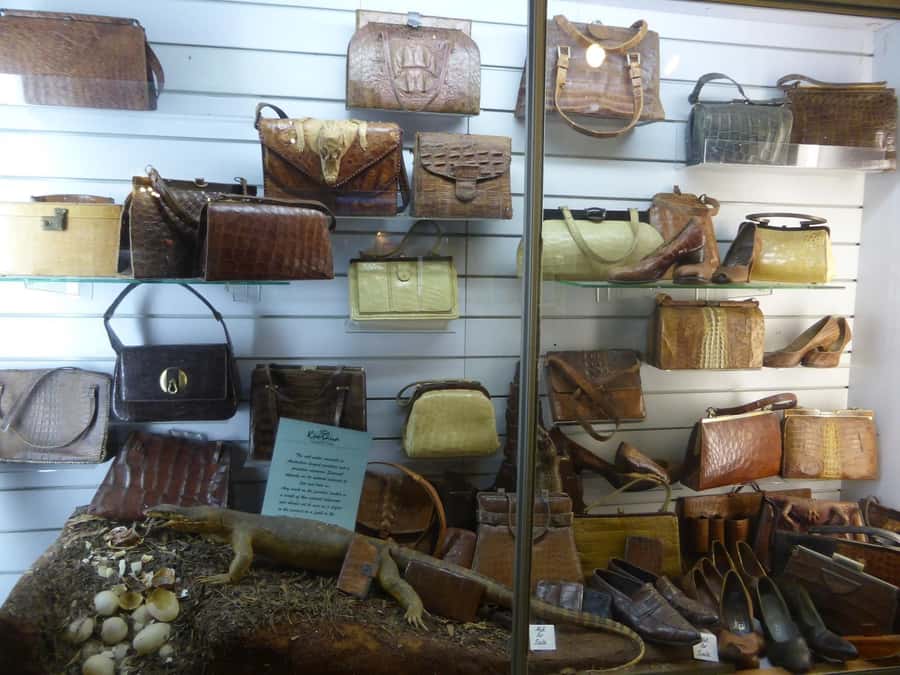
After the intro, you move into the farm walk portion. This is where the experience stops being “informational” and becomes “watchable.” The farm walk includes croc feeding by staff, and that is the moment most people remember.
Why is it so effective? Because feeding concentrates behavior. You can see how crocs react to a routine, how they position themselves, and how the staff keep the process controlled and safe. Instead of random sightings, you get structured animal time.
During the walk, your guide talks you through what you are seeing. That matters because crocodiles can look deceptively still. The guide helps you notice the small things, like how they respond and how quickly attention shifts. It turns the farm into a live learning environment.
There is also a “near enough to feel it” factor. You get to see the animals up close within the farm’s safety boundaries. One booking highlighted how safe it felt, especially with a guide who emphasized safety. That emphasis is not just for reassurance. It helps the tour stay smooth for everyone.
If you are expecting a long parade of different species, your mileage may vary. The tour is designed around learning about behavior and farm practice, so you might focus more on the breeding and management side than on a wide variety of reptiles. Still, the feeding portion delivers the real-life visuals you came for.
Holding a small crocodile for a photo: safety, timing, and possible extra cost
One of the main “wow” moments is the hands-on photo opportunity with a small crocodile. If you want a souvenir that is not just a standard landscape shot, this is your moment. The idea is simple: you take a photo while holding or interacting with a small croc under staff supervision.
Safety is part of the experience, not an afterthought. Guides like Kia have a reputation for strongly emphasizing safe handling and keeping the process controlled. The farm clearly treats this as an interaction with rules, not a casual selfie moment.
Now the part to plan for: you should confirm what is included for the actual handling. The tour information you have says there is a hands-on photo opportunity. One verified booking also mentioned an extra charge around $40 to hold a baby croc. That suggests some sessions may handle pricing slightly differently depending on what you choose to do with the animal.
So here is the practical advice: go into the interaction ready to pay if staff confirm an added handling fee at that moment. If you only want photos without holding, ask what the options are for your time slot.
Also, do not try to “push it” for more contact than what staff invite. The tour works because the handlers stay in control. Follow their guidance and you’ll get the cool photo without turning the moment into stress.
A few more Australia trips to compare
- Sydney: Opera House Guided Tour with Entrance Ticket
★ 4.8 · 8,312 reviews - Sydney Opera House Official Guided Walking Tour
★ 4.5 · 3,770 reviews - From Cairns: Self-Guided Kuranda Trip with Train and Skyrail
★ 4.6 · 3,392 reviews - Whitsundays Guided Jet Ski Tour
★ 5.0 · 3,348 reviews
Eggs, nest raids, and hatching season: the conservation story in real time
Koorana Crocodile Farm is not just about seeing crocs. It is also about how breeding and early life stages are managed, and that’s where the seasonal content can add real punch.
Depending on the time of year, you may see special activities included:
- Nest raids (December to February), where staff collect eggs
- Baby croc hatching (February to May)
Even when you do not catch the live seasonal action, you still learn about eggs and the hatching process. The tour includes time to see the eggs and hear how the hatch process works. That part helps connect the dots between croc behavior, farm management, and why conservation efforts can include controlled breeding programs.
Why this matters to you: crocodiles tend to be surrounded by fear in popular culture. But conservation is about systems, not just emotions. The egg and hatching segment gives you a behind-the-scenes look at how early-stage survival is treated, not just how adult animals look on land.
If you time your visit for the season, you get an additional layer of excitement. If you visit outside those months, you still get education on the life cycle, just without the live “it is happening right now” moment.
Price and value: is $28 for 90 minutes good?
At $28 per person for about 90 minutes, this tour sits in the “good value for what you get” category. Here’s why, in practical terms.
You get:
- a fully guided experience
- an intro talk on conservation and commercialization
- a video presentation
- a farm walk with croc feeding
- a hands-on photo opportunity with a small croc
- seasonal activities if they align with your dates
That list matters because it is not just entry to a site. You are paying for a guided structure that turns the visit into a learning experience. Many attractions around wildlife charge more for less interpretation.
The only value wrinkle is the crocodile-holding moment. If there is an extra charge to physically hold the small croc, that cost would come on top. Still, even if you decide to only do the standard photo interaction, the tour content is still the same: behavior education, feeding, and the eggs segment.
So my take on value is this: if you want a guided, short, hands-on reptile experience with conservation context, the price looks fair. If you want a full day zoo-style walk with nonstop animal variety, you may find the 90 minutes a bit short.
Who this tour suits best, and who should skip it
This tour is built for people who enjoy explanation and live animal viewing, not for those who prefer passive, self-guided sightseeing.
It is a strong pick for:
- couples and families looking for a memorable wildlife stop
- anyone who wants crocodile behavior explained in clear English
- visitors who like hands-on moments, within safety rules
It may not be a fit if you fall into the tour’s stated limitations:
- children under 3 years
- pregnant women
Also, because it involves close animal interaction and a farm walk, you should think about your comfort with animals and outdoor movement. If you get uneasy around reptiles, it might still be manageable thanks to the guide-led safety approach, but you’ll want to go in with the right expectations.
Practical tips: what to bring for a hot, hands-on croc visit
The farm walk and the feeding portion are practical reasons to pack the basics. For a smoother experience, bring:
- comfortable shoes
- a camera
- sunscreen
- water
- insect repellent
Heat is a real factor on this part of Queensland, and you’ll be outside for much of the tour. Water is especially important because the experience is short, and you don’t want to “save water” and feel sluggish by the time the feeding begins.
If insects bother you in coastal Queensland, repellent will make a noticeable difference. You’ll focus on the guide instead of swatting the whole time.
Also, consider camera settings. You’ll be photographing animals and staff handling moments. If your camera is set for indoor lighting, it may struggle with quick changes outside. A quick check before you start can save frustration.
Food is not listed as included, so treat the tour as a snack-on-your-own situation. One booking referenced lunch in connection with a separate arrangement, but your safest plan is to assume you need to sort your own food. At minimum, have water and be ready to snack before or after.
Final verdict: should you book Koorana Crocodile Farm guided tour?
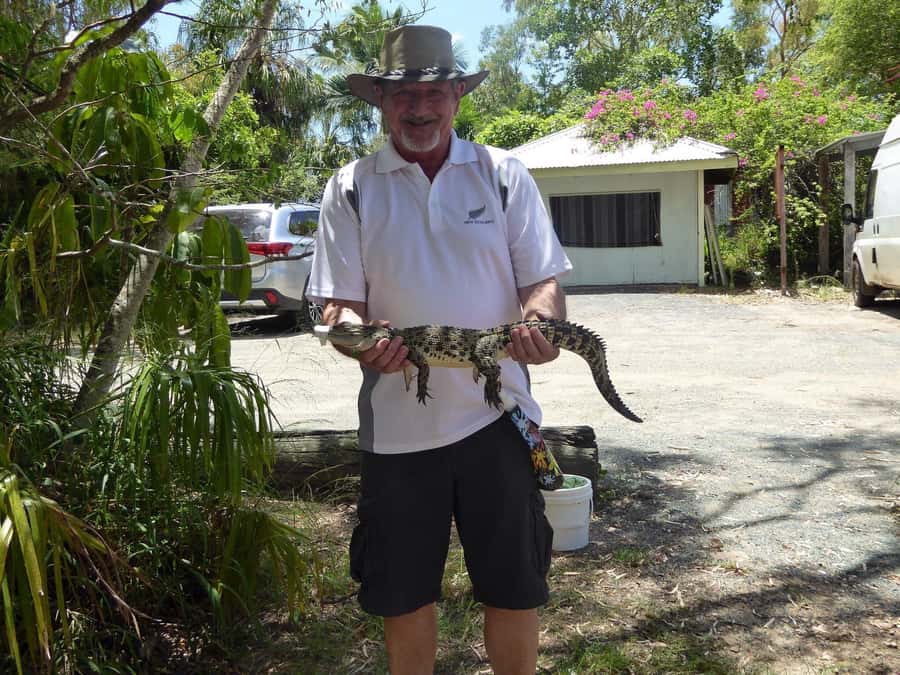
I’d book this tour if you want a short, guided way to understand crocodiles, with clear conservation context and live feeding action. The guides, often including Kia and Mel, are a big reason people walk away impressed. The safety approach, the teaching style, and the hands-on photo moment with a small croc make it feel like more than a casual attraction.
I would hesitate only if you hate outdoor walking in heat, dislike reptiles, or you are looking for a long, multi-species zoo day. Also, if the cost to physically hold a baby croc matters to your budget, ask what is included for your specific time slot before you commit on the spot.
If your dates land between December and February or between February and May, ask about the seasonal activities. Timing can turn a good tour into a memorable one, especially when eggs and hatching are part of the day.
FAQ
How long is the Koorana Crocodile Farm guided tour?
The guided tour runs for about 90 minutes.
How much does the Rockhampton Koorana Crocodile Farm tour cost?
The price is $28 per person.
Is food and drinks included?
No, food and drinks are not included.
What activities are included on the tour?
You get an introductory talk, a video presentation on croc behavior, a farm walk with feeding, a hands-on photo opportunity with a small croc, and seasonal activities if available.
What seasonal activities might I see at Koorana Crocodile Farm?
Depending on the season, nest raids are included from December to February, and baby croc hatching is included from February to May.
Do I get to hold a crocodile?
There is a hands-on photo opportunity with a small crocodile, and some people may be able to hold one for a photo. Fees can vary, so it is smart to confirm what is available for your session.
What should I bring?
Bring comfortable shoes, a camera, sunscreen, water, and insect repellent.
Is the tour suitable for young children?
The tour is not suitable for children under 3 years.
Is the tour suitable for pregnant women?
The tour is not suitable for pregnant women.
What is the cancellation policy?
Free cancellation is available up to 24 hours in advance for a full refund.
What languages are tours offered in?
The guided tour is in English.
How can I pay if my plans are uncertain?
You can reserve now and pay later.
Newest Australia reviews on the site
- Airlie Waterfalls & Rainforest Bushwalk Eco Adventure★ 5.0 · 23 reviews
- Airlie Coastal Beach Adventures – Dingo Beach & Cape Gloucester★ 5.0 · 27 reviews
- Airlie Beach Sightseeing Explorer- 3 hr Snaphots & highlights★ 5.0 · 33 reviews
- Whitsundays Day Cruise: Whitehaven Beach & Hill Inlet★ 5.0 · 274 reviews
- One Way Airport Transfer: Proserpine-Airlie Beach (or vice versa)★ 4.5 · 63 reviews
- Bowen Beaches Discovery-Top of the Whitsundays★ 5.0 · 40 reviews
- British Defender 3D2N Whitsunday Snorkelling Sailing Adventure★ 5.0 · 30 reviews
- Airlie Beach Jet Ski Safari (1 Hour)★ 4.5 · 257 reviews
Farms, compared.
Amazing Yarra Valley Wine Tour + Chocolate, Farm Fresh, Gin
Read our review →
Hidden Gems: Boutique Full-Day Wine, Farm & Lunch Tour
Read our review →
Experience Coffin Bay Oyster Farm and Bay Tour
Read our review →
Coffin Bay Oyster Farm Wading Tour & Tasting Experience
Read our review →
Hidden Gems Margaret River: Authentic Wine & Farm Experience
Read our review →
Cygnet Bay Pearl Farm Behind-the-Scenes Tour & Live Harvest
Read our review →
Barossa & Maggie Beers Farm (4 wine Tastings & Lunch included)
Read our review →Browse the lists this tour appears in