
Reviewed · WILDLIFE
Perth: WA Wildlife Hospital and Native Fauna Encounter Tour
Koalas, dingos, and vet-level stories in Perth. This is a tight, value-packed WA Wildlife Hospital experience with special viewing windows and a guided native fauna encounter, but the first part is not hands-on with animals. I love how clearly it shows animal care behind the scenes, and I also like that you still get close with residents outside right after. One thing to consider: it is not designed for kids under 8, since the hospital segment includes no animal interaction.
The pacing works well for adults and older kids who want animal medicine explained, not just animal photos. You’ll walk away understanding why rehabilitation takes time, what “ready for release” can mean, and how Western Australia’s wildlife gets a second chance.
In This Review
- Key things I’d circle on your map
- WA Wildlife Hospital viewing tour: what you see in the first 45 minutes
- Viewing windows, hygiene, and why “no touch” makes the experience better
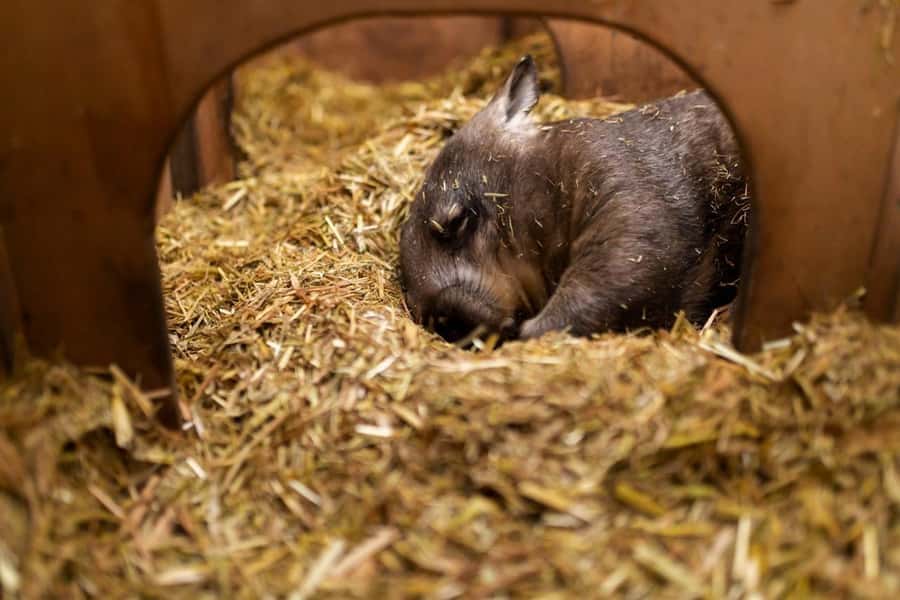
- Meet resident wildlife outside: koalas, dingos, emus, and Vinnie the wombat
- The guide factor: clear explanations and care-focused storytelling
- How this tour connects rehab medicine to conservation you can actually picture
- Timing and animal interaction rules: plan your expectations
- What to bring for comfort, photos, and an afternoon pace
- Price and value at about $27 per person
- Who this WA Wildlife Hospital tour is best for
- Should you book the Perth WA Wildlife Hospital tour?
- FAQ
- How long is the WA Wildlife Hospital and Native Fauna Encounter tour?
- Is there any animal interaction during the hospital portion?
- What animals can you expect to see and meet?
- Is the tour suitable for children?
- What should I bring with me?
- Is the tour guided and in English?
- What is the cancellation policy?
- Can I book without paying right away?
Key things I’d circle on your map
- 45-minute hospital viewing tour focused on surgery, treatment, and wards from behind special windows
- Guided native fauna encounter where you meet multiple species in one stop
- Real rehab context, with stories that connect patients to conservation work
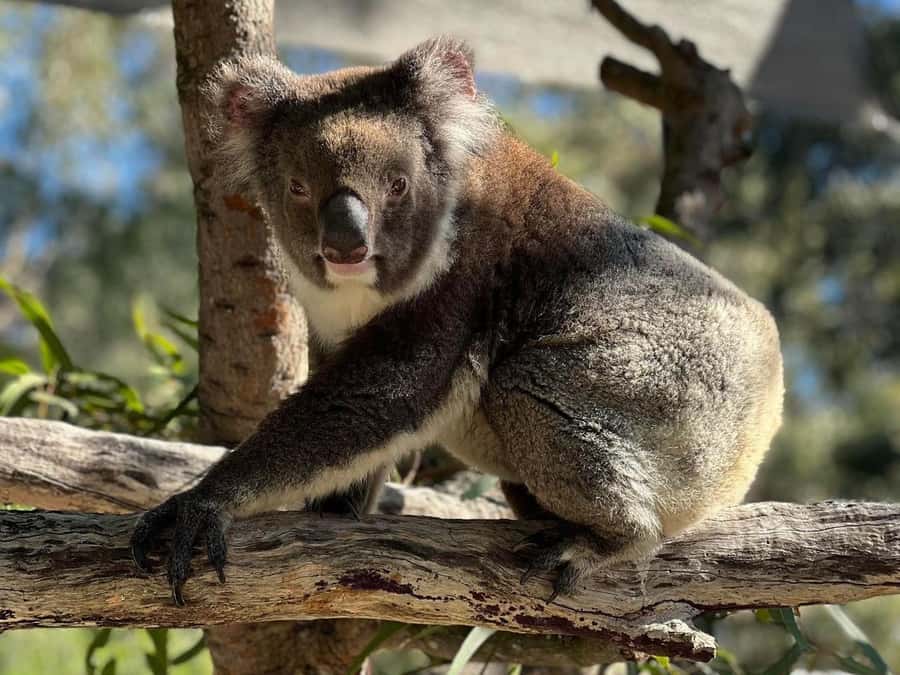
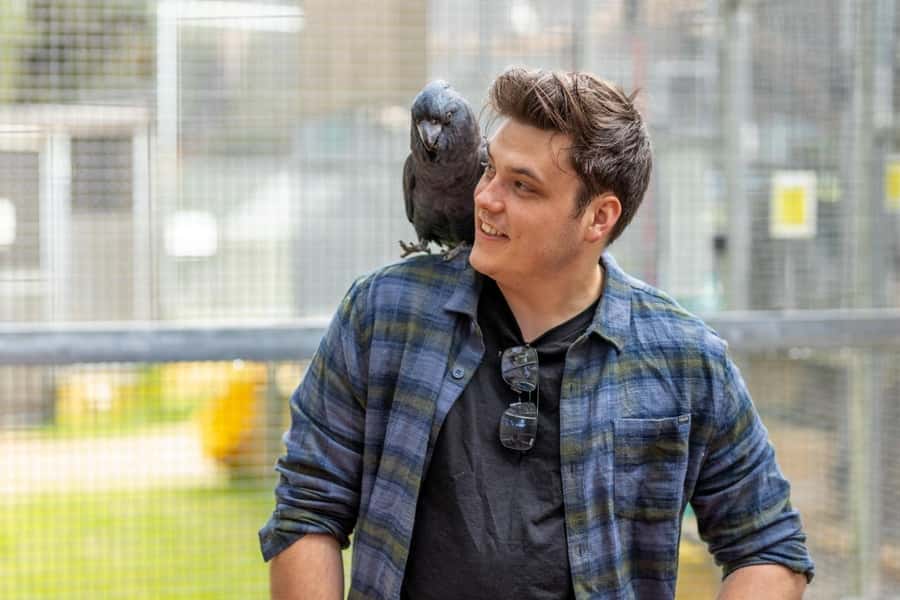
- Up-close resident animals including dingos, koalas, a wombat (Vinnie), emus, possums, and birds
- Small add-on option is sometimes mentioned for a deeper dingo enclosure visit, for an extra fee
WA Wildlife Hospital viewing tour: what you see in the first 45 minutes
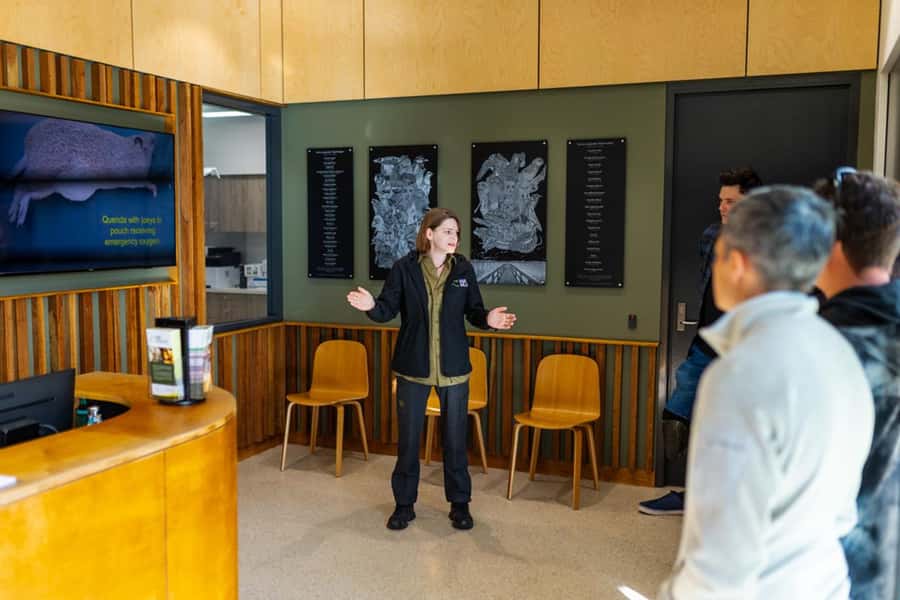
This starts with a 45-minute behind-the-scenes look at the WA Wildlife Hospital in the Perth city area. You do not interact with animals during this opening portion, and that’s actually part of the value. The whole point is to show how a wildlife hospital works day to day, without turning the facility into a petting zoo.
What you’ll notice quickly is how structured the spaces are. The tour takes you through areas such as the Surgery and Treatment Room, plus Wards, and you see them through viewing windows designed for observation. That setup keeps the animals calmer, while still letting you understand what staff are doing.
You might expect a quick, vague look. Instead, the guide explains what the facility is designed to handle, including how patient care supports recovery. It’s also a good reminder that wildlife medicine is hands-on work, even when visitors are watching quietly.
A few more Australia trips to compare
- From Melbourne: Great Ocean Road, 12 Apostles, Wildlife Tour
★ 4.7 · 6,020 reviews - Penguin Parade, & Wildlife Encounters Eco Tour from Melbourne
★ 5.0 · 3,774 reviews - Blue Mountain Small Group Scenic World, Wildlife, Waterfall
★ 4.8 · 3,428 reviews
Viewing windows, hygiene, and why “no touch” makes the experience better
Seeing hospital spaces through windows sounds boring on paper, but it tends to land well because you can connect the medicine to the animals later. It’s also safer for the wildlife and the staff.
From the way the tour is run, you get the sense that hygiene and cleanliness are taken seriously, which matters in any veterinary setting, especially with animals that are stressed, injured, or vulnerable. You’ll walk through a real care environment, not a staged display.
And yes, the no-touch hospital segment is a drawback if you’re bringing very young kids who want immediate interaction. The good news is that the second half of the experience is built for up-close resident animal encounters in a more visitor-friendly setting.
Meet resident wildlife outside: koalas, dingos, emus, and Vinnie the wombat
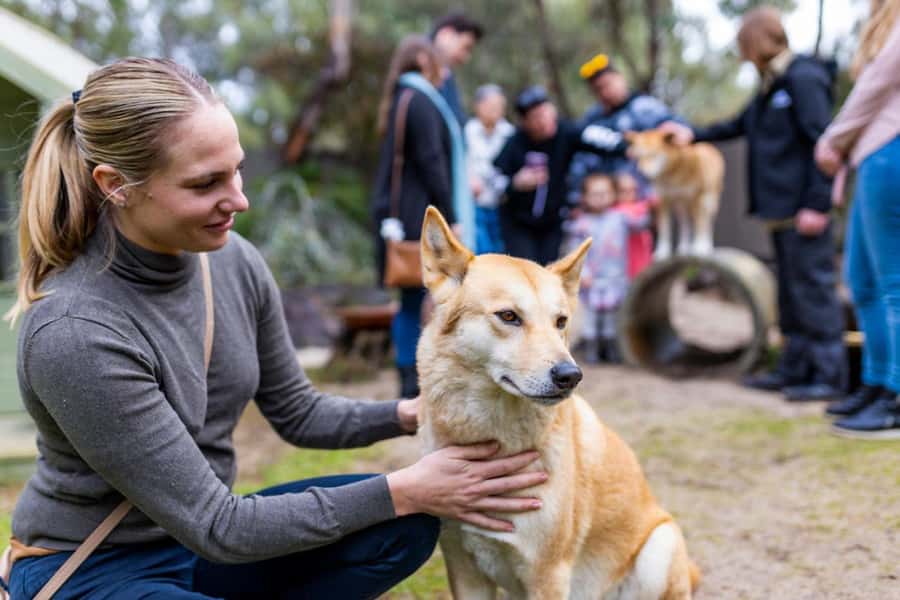
After the hospital portion, you move to the native fauna discovery area for guided encounters with residents. This is where the tour shifts from hospital education to meeting animals you can see much more clearly and, in many cases, interact with under guide direction.
Here’s the lineup described for the experience:
- Dingos
- Koalas
- Vinnie the Wombat
- Emus
- Reptiles
- Western Ringtail and Brushtail Possums
- Birds
The best part is how the guide connects each animal to rehab and care. You’re not just learning names. You’re getting short, practical explanations about what residents need and why rehabilitation doesn’t end the moment an animal is healthier.
I also like that the tour keeps things respectful. The animals are not treated like entertainment props. The residents are there for education, and the staff behavior shows that the hospital and conservation mission stays front and center.
In some cases, you may hear about extra hands-on moments for specific animals. One example mentioned is an optional dingo enclosure encounter at the end for a small added fee (reported as $10), connected with meeting a pair of dingos with names like Bindy and Banjo. Treat that as an occasional option rather than a guaranteed add-on, and plan to enjoy the included encounters first.
The guide factor: clear explanations and care-focused storytelling
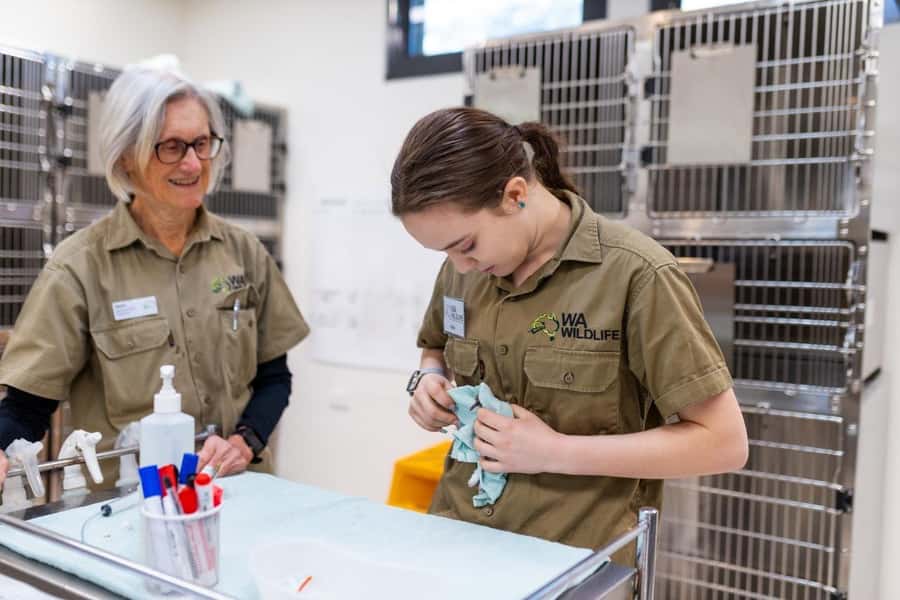
This tour succeeds because the guide role is front and center. You’re not left wandering between cages or windows. A live English-speaking guide walks you through what you’re seeing and what it means for wildlife care.
One name you may come across is Kiarni, who led an informative tour in a way that made it obvious the animals and their welfare are taken seriously. That kind of guide matters, because the experience can otherwise become a checklist of species. Instead, it becomes a story of treatment, recovery, and what comes next.
The tone is also important. It stays practical, like: what would a clinician do, what makes an animal treatable again, and how rehab supports the larger goal of returning wildlife where it belongs.
Same part of the map, a completely different day:
- Sydney: Opera House Guided Tour with Entrance Ticket
★ 4.8 · 8,312 reviews - All Inclusive Blue Mountain,Scenic World,Lunch,Koalas,ferry
★ 5.0 · 7,832 reviews - Great Ocean Road Small-Group Eco Tour from Melbourne
★ 5.0 · 6,607 reviews - Ocean Rafting: Whitehaven Beach, Snorkelling & Hill Inlet Lookout
★ 5.0 · 4,777 reviews
How this tour connects rehab medicine to conservation you can actually picture
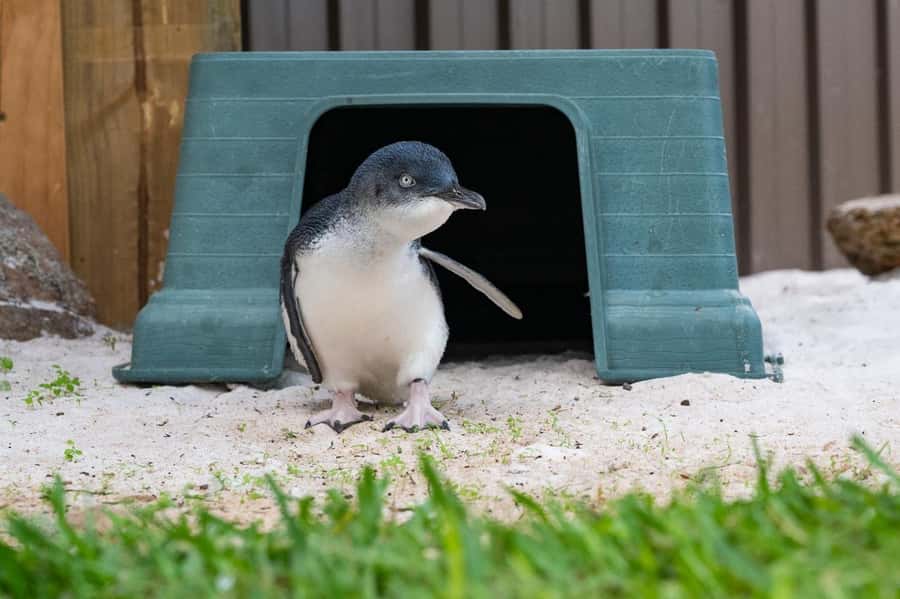
Wildlife conservation can feel abstract, especially in a city. What I like about this experience is that it makes the mission tangible.
The hospital portion helps you understand the pipeline. Patients come in, they’re treated, they’re monitored in wards, and they recover over time. Then, depending on the case, they may be prepared for reintroduction or long-term support.
When you later meet residents outside, the stories make more sense. You’re not separating the hospital from the animals. You’re seeing them as two parts of the same work.
It’s also a good way to see that wildlife care is not just about dramatic rescue moments. It’s daily observation, medicine, controlled environments, and a lot of patience.
Timing and animal interaction rules: plan your expectations
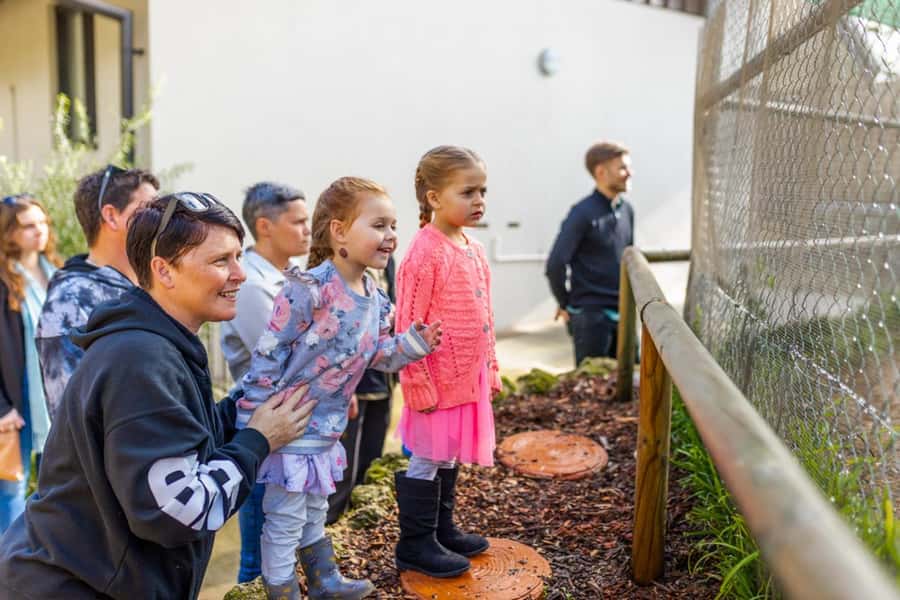
The duration is about 2 hours, and it runs on starting times that vary based on availability. The key structure is straightforward:
- First segment: around 45 minutes in the hospital viewing areas
- Second segment: guided native fauna encounter area with close resident animal moments
The important rule is simple: the hospital segment is not designed for animal interaction. You’re there to watch and learn through viewing windows. If you’re expecting to hold or feed animals immediately at the start, you’ll be disappointed in the first part.
Also note the age guidance. The experience is designed for children aged 8 and above, plus teenagers and adults. It is not designed for children under 8 because of the nature of the behind-the-scenes hospital experience and the lack of animal interaction in that early window. If you’re traveling as a family with younger kids, you might want to look for the recommended family-friendly session types that are mentioned for weekend times.
What to bring for comfort, photos, and an afternoon pace
This is an indoor-outdoor style tour, and you’ll want to feel comfortable. Bring:
- Comfortable shoes
- Hat
- Camera
- Sunscreen
- Water
The camera part matters more than you’d think. The viewing windows and outside animal areas are both photo-worthy, but you’ll want to move through the spaces easily. Comfortable shoes help you keep up with the guide’s pace without turning the tour into a stress test.
If you’re sensitive to heat, water and sunscreen become non-negotiable in Perth conditions, especially if your session runs when the sun is up.
Price and value at about $27 per person
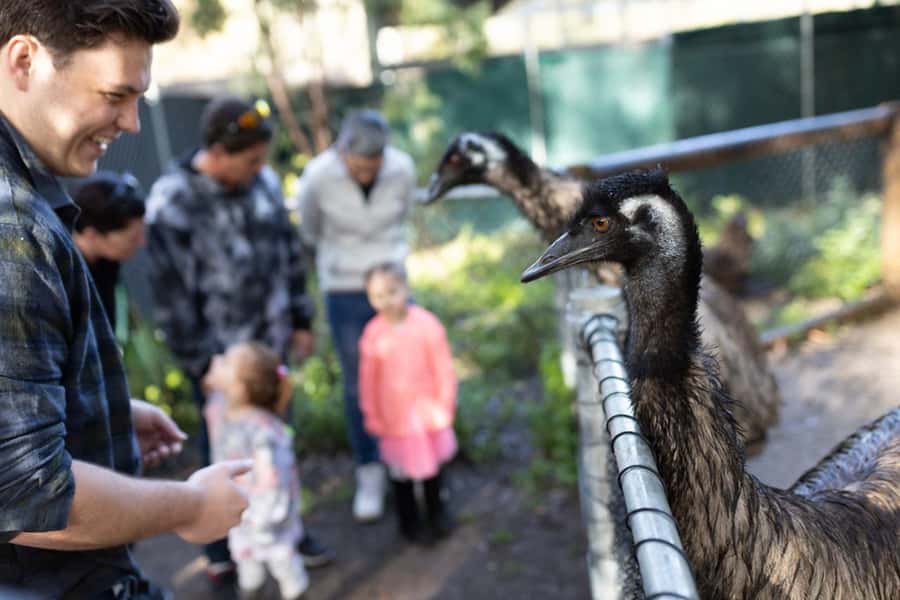
At $27 per person for roughly 2 hours, this is priced like a serious activity rather than a casual add-on. The value comes from what’s included: a guided hospital viewing tour plus a guided native fauna encounter with multiple animal types.
You’re paying for two different experiences that reinforce each other. The hospital viewing windows provide context and credibility. Then the outside encounter gives you that direct animal connection that makes conservation feel real.
It’s also a help-your-trip kind of expense. This is not a huge time drain in Perth. It’s short enough to fit into a travel plan, yet structured enough that you don’t feel like you paid for vague animal sightings.
If you see optional add-ons mentioned for specific encounters, they can increase the total cost, but you can still get a strong experience from the core tour.
Who this WA Wildlife Hospital tour is best for
This is a great fit if you want:
- A guided wildlife experience with real explanations
- Animal medicine context without waiting for a longer program
- Multiple native species in one planned outing
It’s especially suited to:
- Adults who like learning how animals are treated
- Older kids who can sit through the first part and listen
- Families with children age 8 and up who can handle a quieter viewing segment before the more interactive part
If you’re traveling with very young kids, the age note is the biggest deciding factor. No-touch hospital time can feel long, and that early portion is not set up for younger attention spans.
Also, if you only want hands-on petting-style interactions, be aware that a chunk of your time is observation through windows. You’ll leave knowing more, but you won’t get nonstop physical contact.
Should you book the Perth WA Wildlife Hospital tour?
I’d book this if you want a compact Perth activity that teaches you something real and still delivers close animal time at the right moment. The mix of hospital viewing windows plus a guided native fauna encounter is a smart design. You get both the head and the heart working, and you’ll understand what you’re seeing instead of just photographing it.
Skip it only if your group needs the tour to be heavily hands-on from minute one, or if you’re bringing children under 8. For the right age range, it’s an easy win: practical, respectful, and genuinely tied to animal care and conservation.
FAQ
How long is the WA Wildlife Hospital and Native Fauna Encounter tour?
The experience is about 2 hours. It includes a 45-minute behind-the-scenes hospital tour plus additional time for the native fauna discovery area.
Is there any animal interaction during the hospital portion?
No. During the first 45 to 60 minutes at the WA Wildlife Hospital, there is no animal interaction. You view surgery, treatment, and wards through special viewing windows.
What animals can you expect to see and meet?
You’ll meet native Australian animals including dingos, koalas, Vinnie the wombat, emus, reptiles, Western ringtail and brushtail possums, and birds.
Is the tour suitable for children?
It is designed for children aged 8 and above, as well as teenagers and adults. It is not designed for children under 8 due to the behind-the-scenes hospital experience and the lack of animal interaction at the start.
What should I bring with me?
Wear comfortable shoes and consider bringing a hat, camera, sunscreen, and water.
Is the tour guided and in English?
Yes. The tour includes a live guide and is offered in English.
What is the cancellation policy?
You can cancel up to 24 hours in advance for a full refund.
Can I book without paying right away?
Yes. The tour offers a reserve now & pay later option, where you can book and pay nothing today.
Newest Australia reviews on the site
- Airlie Coastal Beach Adventures – Dingo Beach & Cape Gloucester★ 5.0 · 27 reviews
- Airlie Waterfalls & Rainforest Bushwalk Eco Adventure★ 5.0 · 23 reviews
- Airlie Beach Sightseeing Explorer- 3 hr Snaphots & highlights★ 5.0 · 33 reviews
- Whitsundays Day Cruise: Whitehaven Beach & Hill Inlet★ 5.0 · 274 reviews
- One Way Airport Transfer: Proserpine-Airlie Beach (or vice versa)★ 4.5 · 63 reviews
- Bowen Beaches Discovery-Top of the Whitsundays★ 5.0 · 40 reviews
- British Defender 3D2N Whitsunday Snorkelling Sailing Adventure★ 5.0 · 30 reviews
- Airlie Beach Jet Ski Safari (1 Hour)★ 4.5 · 257 reviews
Wildlife, compared.
Penguin Parade, & Wildlife Encounters Eco Tour from Melbourne
Read our review →
Blue Mountain Small Group Scenic World, Wildlife, Waterfall
Read our review →
Melbourne Great Ocean Rd Reverse Tour London Bridge Wildlife
Read our review →
Solar Whisper Daintree River Crocodile and Wildlife Cruise
Read our review →
Blue Mountains: Three Sisters, Scenic World and Wildlife park
Read our review →
Exclusive Blue Mountains Wildlife and Bushwalk Tour From Sydney
Read our review →
Browse the lists this tour appears in