
Reviewed · KANGAROO ISLAND TOURS
Nocturnal Tour of Kangaroo Island
Night wildlife is the real reason to come. This 2 to 2.5 hour night tour turns Kangaroo Island into a living landscape after dark, with a local guide using a torch and local know-how to help you spot animals in their natural habitat. You also get pick-up from your accommodation and a return trip back, which matters when you are driving on dark roads.
Two things I really like are the practical setup and the search style. You are not waiting in front of cages, you are moving to the right places with the right light, and torches are provided along with bottled water. The guide also explains what you are seeing in plain language, with help from stories tied to the island’s animals.
One possible drawback: sightings are never guaranteed, especially the small or reclusive stuff. Even with a great guide, you might miss penguins in a given night, and the tour depends on good weather.
In This Review
- Key highlights to know before you go
- Why Kangaroo Island looks different after dark
- Price and time: what you are really paying for
- Getting picked up in Kingscote: the practical setup that matters
- Stop 1: Kingscote Silo Art as your nighttime launch point
- Stop 2 at Emu Bay: the penguin hunt with a tight time window
- Stop 3 at Wisanger: the secret spot for wallabies and kangaroos
- Stop 4 in Kingscote: a calmer end to a busy night
- The guide factor: why local know-how changes everything
- What animals you can realistically expect
- Weather and night roads: the main consideration before you book
- Is this tour worth booking for you?
- FAQ
- What time does the Nocturnal Tour of Kangaroo Island start?
- How long is the tour?
- Are torches and water included?
- Does the tour include dinner?
- Is it a private tour?
- What happens if the weather is bad?
Key highlights to know before you go
- Torchlight wildlife spotting: you get the light gear, so you can focus on animals instead of fumbling equipment.
- Local guide, not just a route: the whole point is where to stop and how to scan once you get there.
- Longer time at the best grazing area: Wisanger is where you spend the most time watching wallabies and kangaroos.
- A focused coastal stop for penguins: Emu Bay is built around looking for penguins with a short, timed window.
- Private experience: it is set up for only your group, so the guide can pace things your way.
Why Kangaroo Island looks different after dark
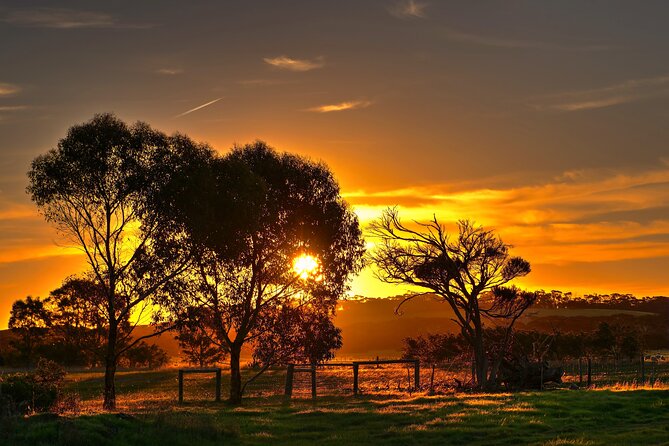
On Kangaroo Island, night is when a lot of the real action happens. Many animals spend the daytime tucked away, so if you only see the island at dinner time or during daylight hours, you miss the phase where the animals feel most comfortable moving.
That is why this tour is built around night driving and short scouting stops. The torch is not a gimmick. It is a way to safely see what is out there, and it helps you notice the small clues that a guide looks for, like subtle movement, feeding behavior, and eye-shine in the right spots. When I think about value here, I see something simple: you are buying access to local pattern-spotting, not just transportation.
Also, night makes the island feel larger and quieter in a good way. Kingscote in the dark is calm, and the night air changes how you listen and watch. You end up paying attention, not zoning out.
More Kangaroo Island days:
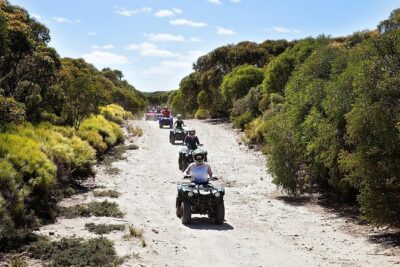
- Kangaroo Island Quad Bike (ATV) Tours
★ 5.0 · 1,236 reviews - Kangaroo Island Full Day Experience by Ferry Including Lunch
★ 4.5 · 1,202 reviews - Kangaroo Island in a Day Tour from Adelaide
★ 4.5 · 722 reviews
Price and time: what you are really paying for
At $106.87 per person, this is not a budget impulse buy, but it is also not priced like a specialty day tour with huge add-ons. What makes it feel fair is that the tour wraps several key pieces into one evening:
- Private transportation with pick-up and drop-off
- Torches provided (so you do not need to bring or buy gear)
- Bottled water
- A guide who actively steers you to sightings, rather than letting you wander
The duration is about 2 to 2.5 hours, starting at 8:00 pm. That length is long enough to do real searching, but short enough that you are not stuck for ages if the first two stops are slow.
If you are traveling as a couple or a small group, private touring can feel like a bargain versus splitting up into separate cars or trying to drive backroads yourself without night-sighting experience. If you are the kind of person who enjoys animal spotting and quiet focus, you are the exact kind of person this tour is designed for.
Getting picked up in Kingscote: the practical setup that matters
Your night starts with a meeting point in Kingscote, at 74 Dauncey St, Kingscote SA 5223. Then you roll out into the island’s darkness with a guide and a plan.
This is also the kind of outing that benefits from showing up ready. Since you start at night, you will want:
- A warm layer. Even on a nice day, evenings can feel cooler.
- Shoes with good grip for dark stops and uneven ground.
- Your camera or phone charged and ready. Torchlight photography is possible, but you will want battery and storage ready.
- A willingness to pause and scan. The guide will not speed-run wildlife sightings.
The tour uses a mobile ticket, and you get confirmation at booking time. The vehicle ride plus multiple stops makes this a lot more relaxing than self-driving if you are not used to dark, rural driving.
Stop 1: Kingscote Silo Art as your nighttime launch point
The first stop is Kingscote Silo Art, with about 10 minutes there. That short window might look like filler on paper, but it is useful in practice.
Starting the night at a known, easy-to-reference spot helps you get your bearings fast. It also sets a baseline for the guide’s approach: how they scan, how they explain what to look for, and how they pace your group so you are ready when the real animal time begins.
Even if the silo art itself is not the main wildlife draw, the timing helps you transition from daylight-brained sightseeing to night-brained observation. That is a big part of why people end up loving the tour.
Same part of the map, a completely different day:
- Kangaroo Island 75-Minute Coastal Safari
★ 5.0 · 607 reviews - Kangaroo Island – Swim with Dolphins/Seals/Coastal Snorkel
★ 4.5 · 261 reviews - Small-Group Buggy Tour at Little Sahara with Guide
★ 5.0 · 234 reviews - Kangaroo Island: 75-Minute Coastal Safari
★ 4.7 · 181 reviews
Stop 2 at Emu Bay: the penguin hunt with a tight time window
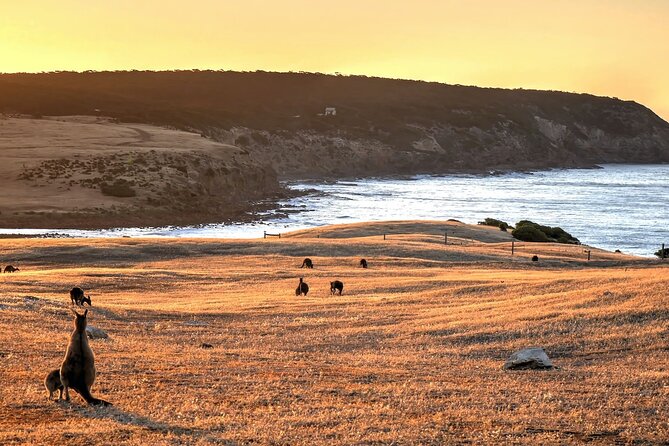
Next is Emu Bay, with about 30 minutes to look for penguins. This stop is built around coastal timing and visibility, and it is one of the most exciting moments of the night because you are targeting a smaller, more delicate species.
From what I can tell, penguin sightings are a highlight when the conditions cooperate. People have mentioned seeing fairy penguins, and the best part is that this tour is about watching them in their natural setting, not standing in front of a tank or enclosure.
A realistic consideration: penguins can be reclusive. Even a great guide cannot force an animal to show itself. If you come in expecting the coast to do its thing on cue, you may be disappointed. If you come in ready to look, wait, and quietly scan, you will have a better night.
Stop 3 at Wisanger: the secret spot for wallabies and kangaroos
This is the stop that runs longest, around 1 hour, and it is where the tour’s core promise comes to life: watching kangaroos and wallabies out feeding in the open.
Wisanger is described as a route with grazing animals, and the hour-long focus makes a huge difference. When animals are active, a longer stop lets the group settle, look with less rushing, and actually watch behavior instead of just catching a quick silhouette.
What you might see here (based on the experiences shared with this tour) includes:
- Wallabies and kangaroos feeding close by
- People spotting wallabies with babies in their pouches
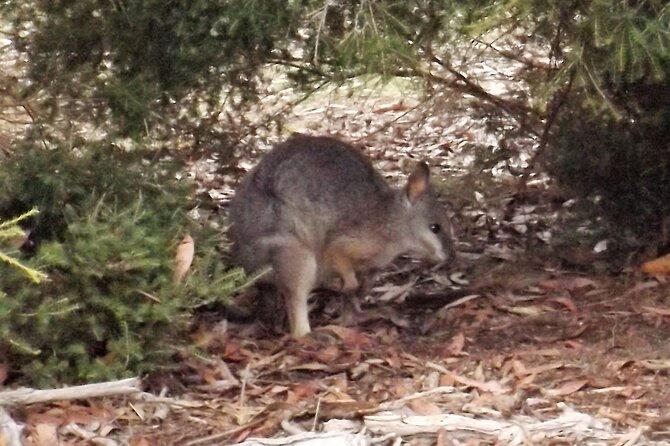
- Occasional extras like koalas and echidna depending on the night
- More small nocturnal life, like possums, when visibility and movement line up
Even if you only get the main duo, it still feels worth it because you are seeing animals behaving like animals. You are not getting a feed-the-schedule performance. You are watching the rhythm of the island.
Stop 4 in Kingscote: a calmer end to a busy night
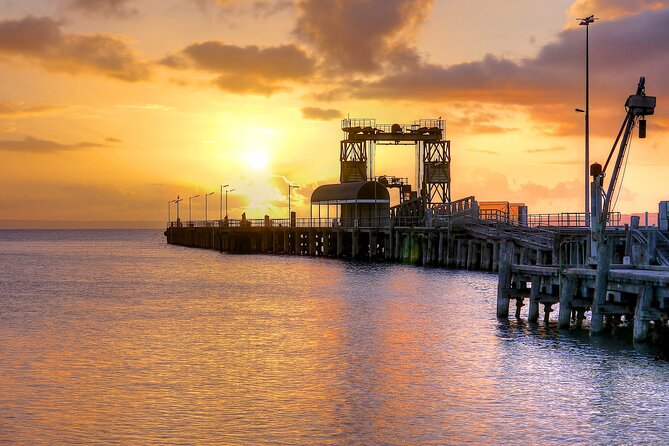
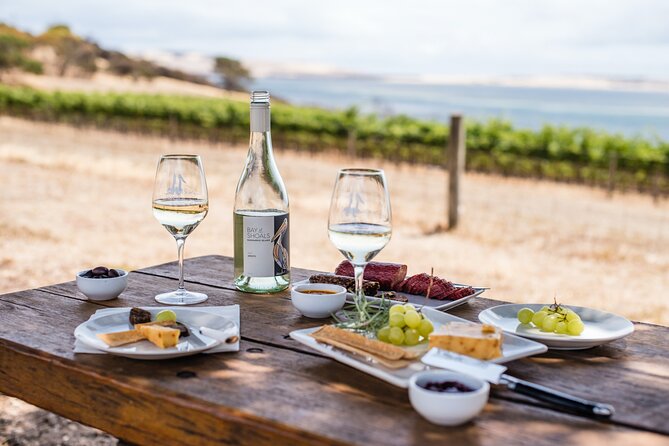
The final stop is Kingscote again, with about 30 minutes of nighttime viewing. This part feels different from the wildlife stops because it is about atmosphere. Kingscote at night is quieter, and it gives your eyes and ears a break after the more intense scanning periods.
It is also a practical wrap-up. You get one last chance to enjoy the night setting and appreciate where you are, before you head back to the original meeting point.
If you are into photography, this is often the part where you can slow down and get shots that are more about mood than action. If you are more into wildlife than landscapes, it is still a good reset.
The guide factor: why local know-how changes everything
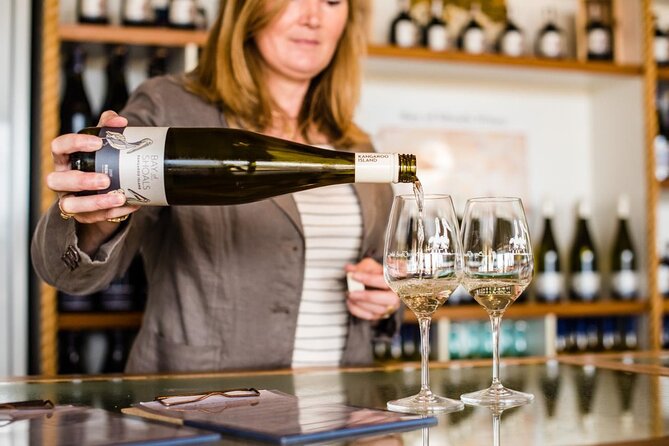
The recurring theme in experiences with this tour is the guide. People repeatedly highlight that the guide grew up on the island and knows where to look. One guide named Colin stands out in multiple accounts, including stories about finding plenty of kangaroos after people struggled during daylight.
This is the difference between seeing wildlife and seeing wildlife well. On your own, you might:
- Drive past the right area
- Notice movement too late
- Miss the quiet signals that a trained eye catches
- Spend time searching where the animals are not likely to be out
With a guide who knows the routes and likely sighting patterns, you are moving efficiently through the island’s night spots. Several experiences also mention the guide using flashlights in a thoughtful way, including shining light up into trees to help locate koalas.
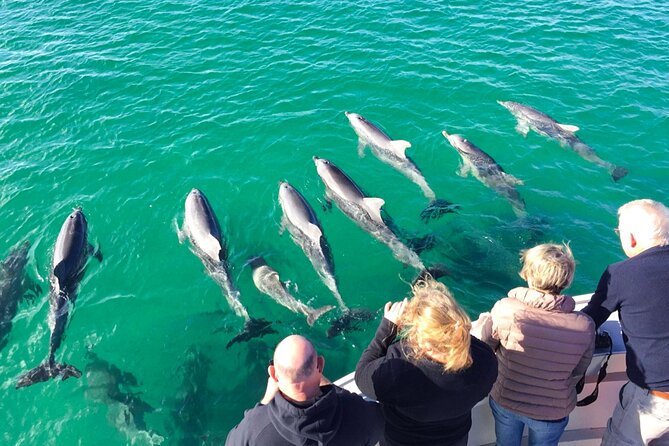
It is also worth noting that night can bring surprise sightings. One account mentions seeing dolphins at night when conditions aligned. That is not something you should plan on, but it reinforces the point: the guide is watching the whole scene, not just the checklist.
What animals you can realistically expect
The tour’s theme is broad, but the targets are clear. The main hope is:
- Kangaroos
- Wallabies
- Koalas
- Penguins (including fairy penguins in some sightings)
And then, depending on the night:
- Possums
- Echidnas
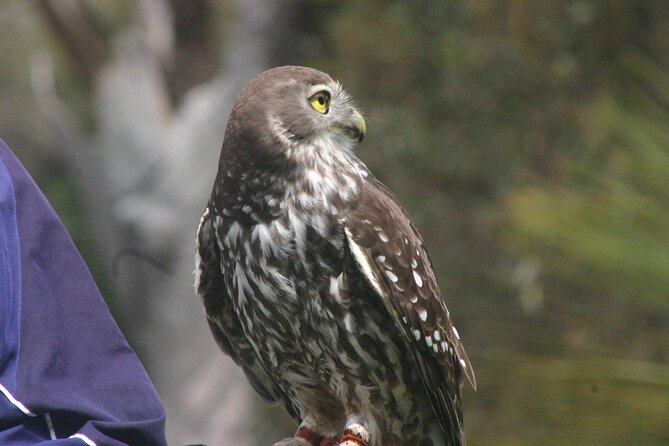
- Owls (specifically mentioned as a more reclusive attraction you might spot)
A key mindset shift for wildlife tours: you are going on a search, not a guarantee delivery. The best nights are when you stay flexible, listen to the guide, and accept that animal behavior drives the schedule.
One more tip based on what you are likely to see: if you are chasing a particular animal, keep your expectations realistic. People have had great nights with tons of sightings, and others have had nights where penguins did not show themselves. That is normal wildlife viewing, and a good guide still gives you a full, interesting outing.
Weather and night roads: the main consideration before you book
This experience needs good weather. That can affect visibility, safety, and how comfortable it feels out during night stops. If weather conditions are poor, the tour may be rescheduled or refunded, so it is smart to check the forecast once you have your booking locked.
Also, night driving matters. There are mentions of dirt roads and dark driving in the experiences shared, which is exactly why this tour includes private transportation with a guide. If you hate driving at night or feel uneasy on rural roads, this is one reason the guided version is worth it.
Is this tour worth booking for you?
Book this tour if you want:
- A guided way to see nocturnal wildlife in the wild
- Torchlight viewing with someone who knows where to scan
- A private, focused outing in a short time window
- A night that is more about wildlife behavior than tourist checklists
Skip it or rethink if:
- You only want tours where a specific animal is guaranteed, especially penguins
- You need dinner included, since this tour does not provide an evening meal
- You are not comfortable with night driving or cooler evening conditions
If you are coming to Kangaroo Island mainly for wildlife, I think this is a strong pick. It is one of the better ways to get beyond daytime seeing and into the island’s real night world, with the added comfort of pick-up, drop-off, and torches handled for you.
FAQ
What time does the Nocturnal Tour of Kangaroo Island start?
It starts at 8:00 pm.
How long is the tour?
The tour runs about 2 hours to 2 hours 30 minutes.
Are torches and water included?
Yes. Torches are provided, and bottled water is included.
Does the tour include dinner?
No. An evening meal is not provided.
Is it a private tour?
Yes. Only your group participates.
What happens if the weather is bad?
The tour requires good weather. If it is canceled due to poor weather, you will be offered a different date or a full refund.
Newest Kangaroo Island reviews on the site
- Small-Group Buggy Tour at Little Sahara with Guide★ 5.0 · 234 reviews
- Small Group Kangaroo Island Evening and Night Tour★ 5.0 · 94 reviews
- Sunset Nocturnal Adventure Tour★ 5.0 · 31 reviews
- Premium Gin Tasting Activity in Cygnet River★ 4.5 · 17 reviews
- Small Group Kangaroo Island Tour – Best of KI in 2 Days★ 5.0 · 46 reviews
- Kangaroo Island Shore Excursion Tasting Tour – For Cruise Ship Passengers Only★ 4.5 · 74 reviews
- Kangaroo Island Shore Excursion Scenic Trail Tour★ 4.5 · 110 reviews
- Kangaroo Island Scenic Nature and Wildlife Day Tour★ 5.0 · 129 reviews
Kangaroo Island Tours, compared.
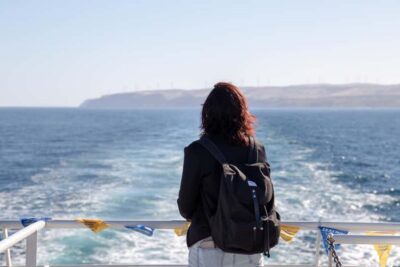
Kangaroo Island Full Day Experience by Ferry Including Lunch
Read our review →
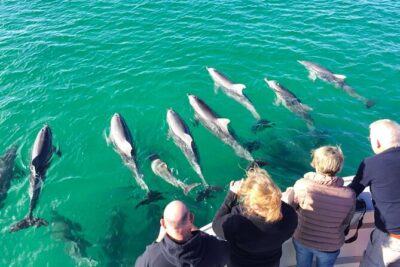
Kangaroo Island – Swim with Dolphins/Seals/Coastal Snorkel
Read our review →
Small-Group Buggy Tour at Little Sahara with Guide
Read our review →
Kangaroo Island: Dolphin, Seal, and Swimming Boat Tour
Read our review →Browse the lists this tour appears in