
Reviewed · AQUARIUMS
Melbourne: SEA LIFE Aquarium Entrance Ticket
SEA LIFE Melbourne can turn a rainy CBD afternoon into a full-on animal day. What makes it worth your time is the setting on the Yarra River and the variety of exhibits, from Antarctic-style penguin viewing to up-close sting rays and a massive crocodile encounter. I especially like the chance to see King and Gentoo penguins in the chilly ice exhibit, plus the way the route keeps pulling you from one zone to the next without feeling like a chore.
My other favorite part is the Oceanarium experience, where you can watch fish feeding and spend time around a huge tank environment, not just small viewing windows. The main thing to consider is that some sections can be closed on certain days, and in busy times the crowd can make it harder to get a perfect view, especially if you’re going during peak periods.
In This Review
- Key highlights worth getting excited about
- SEA LIFE Melbourne Aquarium on the Yarra, and how to plan your timing
- What you really get for a $28 entrance ticket
- Penguins and crocodiles: the two exhibits that anchor the day
- Bay of Rays: when up-close beats big scale
- The Oceanarium and feeding from the top view
- Ocean Invaders and jellyfish, plus the science-y bits
- Shows, 4D cinema, and touch pools for different energy levels
- Crowds, closures, and the reality check for school holiday days
- The best route to feel like you saw everything
- Who this experience is best for
- Should you book the SEA LIFE Melbourne Aquarium entrance ticket?
- FAQ
- How long is this ticket valid for?
- What is included with the ticket?
- Do I need to select a specific entry time?
- Where is the aquarium located?
- What animals and exhibits should I plan around?
- Are there shows or feedings during the day?
- Is 4D cinema included?
- Are touch pools included?
- What if something is closed or I booked an optional experience?
- What is the cancellation policy?
Key highlights worth getting excited about
- Bay of Rays to see sting rays up close
- Pinjarra the saltwater crocodile, one of Australia’s largest
- World’s only elephant shark display, for a genuinely rare species setup
- Seahorse paternity ward, for a calmer, more hands-on style exhibit
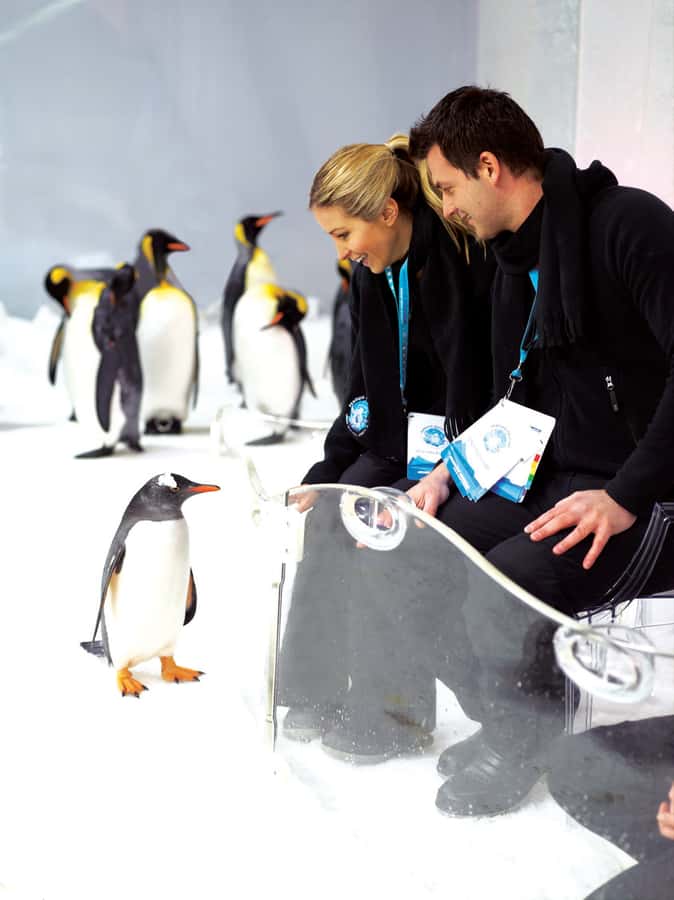
- Antarctic penguins with King and Gentoo penguins on ice
- Oceanarium feeding from the top in the large 2.2 million liter tank
SEA LIFE Melbourne Aquarium on the Yarra, and how to plan your timing

SEA LIFE Melbourne sits right in the CBD on the banks of the Yarra River, near the corner of Flinders Street and King Street, opposite the Crown Entertainment Complex. That location matters because it makes the aquarium easy to pair with other sightseeing on the same day. You can treat it as a standalone outing, or as a “power stop” between museum time, a river walk, and dinner.
For planning, think like a zoo visitor, not like a museum visitor. You’ll move through 12 zones and see 10,000+ animals, so you’ll want a rhythm: slow down for the big-ticket areas, then keep flowing. If you like photos, add extra time near the penguins and the big tanks because those spots draw the most attention.
One practical point: after you book, you must choose a specific entry timeslot on the aquarium’s own site. Do that soon after purchase so you don’t end up scrambling for the only times left later in your day.
A few more Melbourne trips to compare
- SEA LIFE Sydney Aquarium Entry Ticket
★ 4.3 · 1,025 reviews - SEA LIFE Sydney Aquarium Entrance Ticket
★ 3.5 · 551 reviews - Cairns Aquarium Admission Ticket
★ 4.5 · 534 reviews
What you really get for a $28 entrance ticket
At about $28 per person for an entrance ticket, the value comes from three things. First, you get access to a full self-guided route through thousands of animals (more than 10,000 across the aquarium). Second, the exhibits are designed around animal behaviors, not just static tanks, which keeps it interesting even if you’ve seen other aquariums. Third, your ticket lines up with a schedule of daily presentations and feeding times, so you’re not just walking past creatures that never move.
Also, the ticket is built for families, but it’s not only for kids. If you like learning what animals actually do in their habitats, the layout helps you connect the dots. There are daily animal presentations plus shark and ray feedings, which tend to be the kind of moments that convert a casual visit into a real memory.
Expect to spend at least a couple of hours. People often linger around the penguins and the larger installations, and if you stop for 4D cinema or touch pool time, it can easily stretch into a half-day.
Penguins and crocodiles: the two exhibits that anchor the day
If you’re only going to treat one or two areas as “must-see,” make them the penguins and the crocodile. They’re the kind of headline displays that pull you through the whole aquarium.
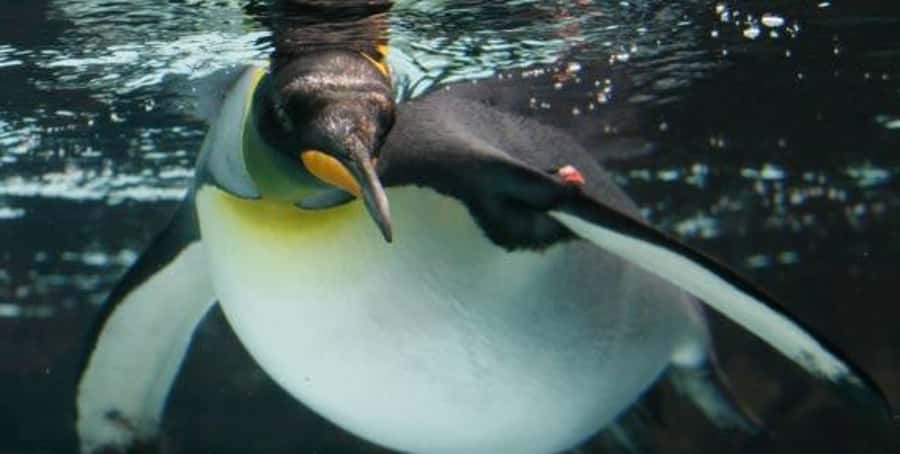
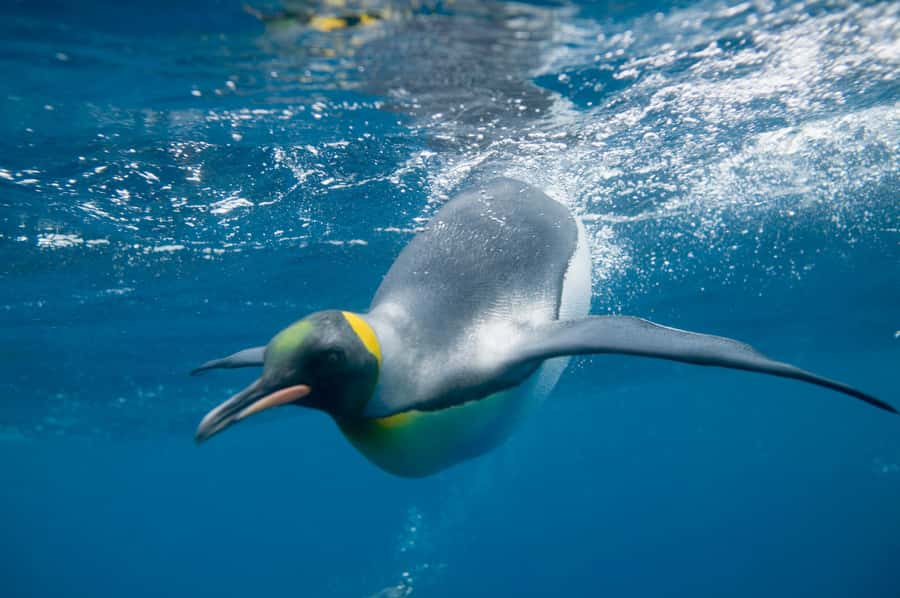
The Antarctic penguin exhibit puts King and Gentoo penguins on ice and gives you a chance to sit among them. It’s the rare aquarium moment that feels like you’re watching something almost real-time, with penguins acting like penguins instead of just floating behind glass. The ice setting also helps the whole experience feel cohesive, not random.
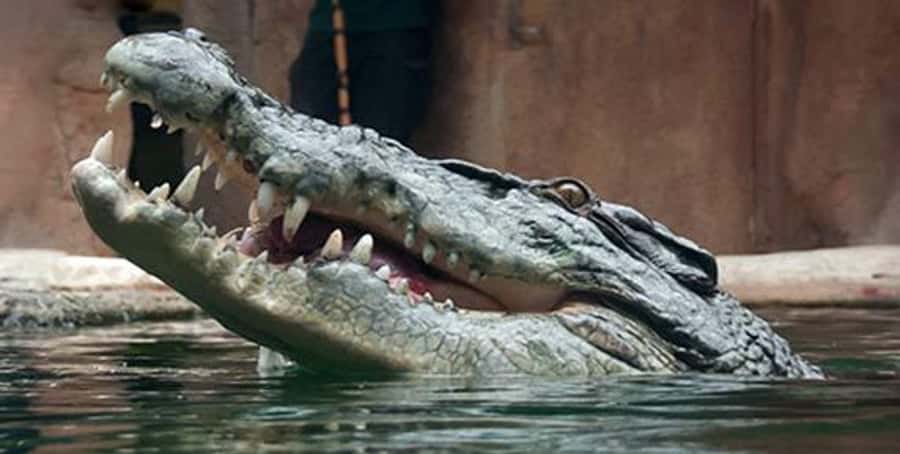
Then there’s Pinjarra, a saltwater crocodile described as one of Australia’s largest. This is the exhibit that reminds you this is not just a cute fish museum. The scale and presence of a saltwater crocodile turns the mood up a notch, and it’s a great contrast to the penguins and seahorses. If your group has mixed interests, crocodile plus penguins is a solid way to keep everyone engaged.
Tip: build your day so you don’t rush into these at the end. If you hit them early, you’ll have more energy to appreciate the smaller exhibits after.
Bay of Rays: when up-close beats big scale
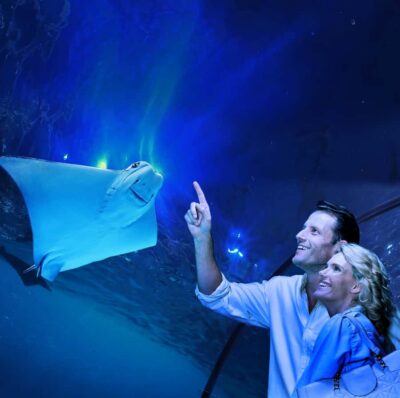
The Bay of Rays is where the aquarium shifts into a more hands-on feeling. Rays can look impressive from behind glass, but up-close viewing changes the whole thing. This is the zone built for that “how big are those?” moment, especially with sting rays.
What I like about rays here is that the exhibit concept makes sense. You’re not just spotting animals, you’re watching movement patterns. Rays tend to glide, pause, and reposition, so the scene stays active even when you’re not seeing a dramatic event.
If you’re visiting with kids, this is also one of the more kid-friendly areas because the shape and motion grab attention fast. If you’re visiting solo or as a couple, it’s still a strong choice because it breaks the day up from the biggest headline tanks.
Same part of the map, a completely different day:
- Great Ocean Road Small-Group Eco Tour from Melbourne
★ 5.0 · 6,607 reviews - From Melbourne: Great Ocean Road, 12 Apostles, Wildlife Tour
★ 4.7 · 6,020 reviews - Laid back, Yarra Valley Wine Tour: Wine, Cider, Gin, Beer + Choc
★ 5.0 · 4,552 reviews - Great Ocean Road Reverse Itinerary Boutique Tour – Max 11 Guests
★ 5.0 · 4,186 reviews
The Oceanarium and feeding from the top view
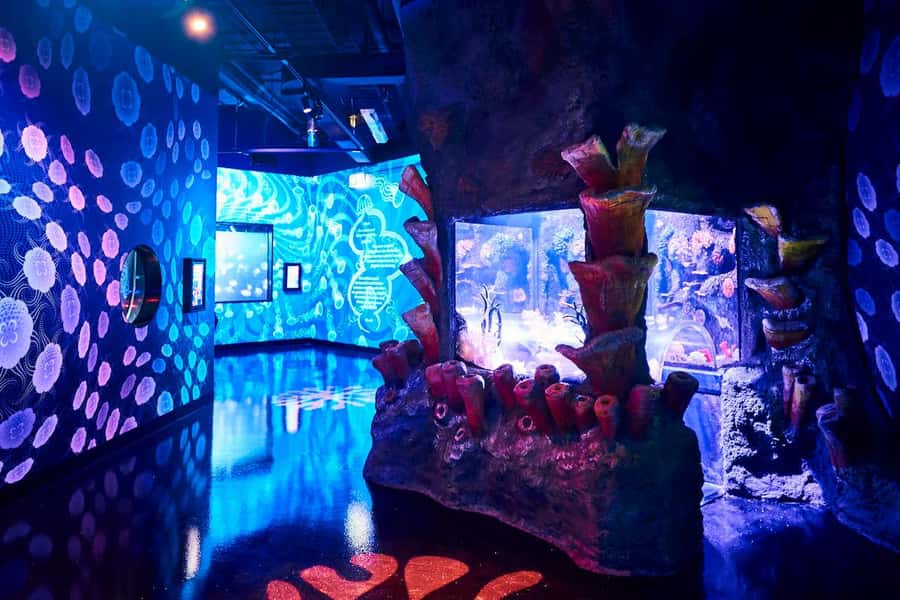
The Oceanarium is the aquarium’s main centerpiece, including the 2.2 million liter tank. This is also where you get one of the most interactive elements: you can feed the fish from the top. Even if you’re not doing the actual feeding, the feeding setup signals where the action will happen and helps you time your visit better.
Big tanks can sometimes feel like background noise, but when feeding is in play, the environment becomes more focused. The fish tend to concentrate, and you can see the ecosystem behavior shift in front of you. That makes the Oceanarium easier to understand than a tank where everything stays evenly spread out.
If you want the best experience, plan to arrive a few minutes early when feedings are scheduled. Don’t chase every moment. Pick one feeding window and build around it.
Ocean Invaders and jellyfish, plus the science-y bits
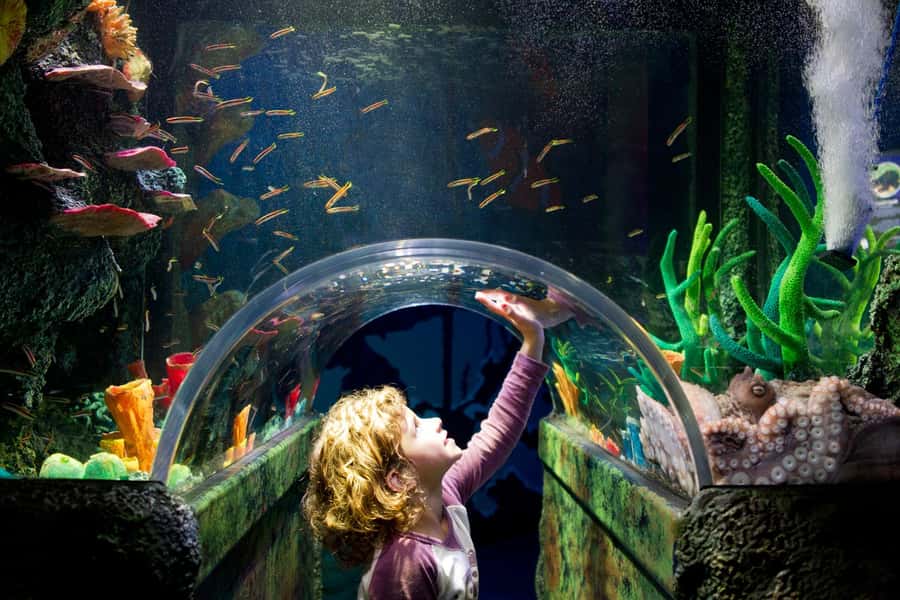
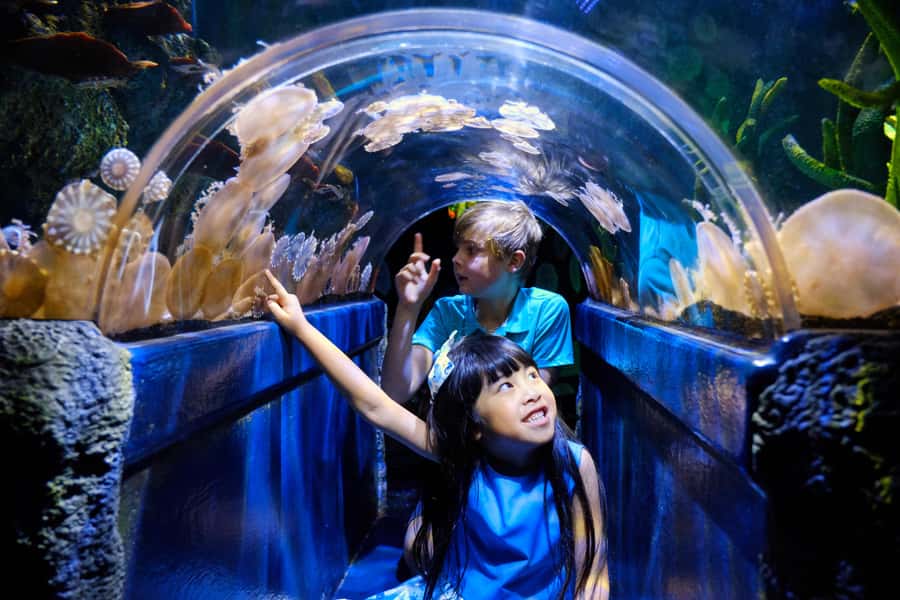
One of SEA LIFE Melbourne’s clever tricks is mixing the showy species with learning zones that don’t feel like homework. A good example is the new Ocean Invaders exhibit, which brings you into the mysterious world of jellyfish.
Jellyfish are tricky animals to display well because they can look subtle compared to larger fish. The payoff here is that jellyfish viewing makes you notice details: movement, drifting behavior, and how light changes their look in the tank.
You’ll also run into exhibits designed for a “slow walk” pace. The seahorse paternity ward is a standout because it’s framed around a specific biological idea, not just a tank full of sea horses. Walking through it helps you shift from entertainment mode to curiosity mode without the experience feeling like a lecture.
Then there’s the standout rarity: elephant sharks. SEA LIFE Melbourne highlights that it has the world’s only display of elephant sharks, which makes this one of those “worth the trip alone” species stops. If you’re an animal nerd, you’ll probably linger here longer than you expect.
Shows, 4D cinema, and touch pools for different energy levels
Besides the self-guided exhibits, SEA LIFE Melbourne adds optional-style activities inside the aquarium. That includes a 4D cinema show and hands-on touch pools. There are also kids activities, which is helpful if you’re traveling with younger children who need frequent “new things to do.”
The 4D cinema is useful for adult patience too. It’s a built-in reset button when your brain gets tired from reading labels and scanning tanks. The touch pools serve a different purpose. Even if you don’t spend a ton of time there, the existence of touch interaction makes the aquarium feel more like a science center and less like a hallway of glass.
Daily animal presentations also keep the day from becoming purely self-directed. Between presentations, you can walk at your pace. When a feeding or talk starts, you know where to go for a real shift in energy.
Timing tip: if you want calmer viewing, consider going at a time when you can catch one presentation without spending the whole visit stuck in queues.
Crowds, closures, and the reality check for school holiday days
The big catch at any popular city attraction is timing. Some areas can be closed on certain days, and the crowd level can change your experience dramatically. One review noted that some attractions were closed but the visit remained overall enjoyable, so it’s worth assuming you might not see every single planned highlight every day.
Also, if you’re visiting during school holidays, you may deal with more noise and tighter viewing conditions. That doesn’t mean you shouldn’t go. It just means you’ll want a strategy: hit the most crowded headline spots earlier, then move on to the quieter exhibits like seahorses and seascience zones.
Another small detail to consider is that some digital touch screens or displays may not always work perfectly. When that happens, you can still rely on the animals and the physical exhibit design. And if an area feels packed, don’t force it. Step back, change your angle, or give it 10 minutes and try again.
Food is available on site, and it can get messy during busy periods. If you’re picky about cleanliness, choose your snack moments carefully, or plan to eat outside the aquarium after you’re done.
The best route to feel like you saw everything

SEA LIFE Melbourne is self-guided, which means the route is flexible, but your experience improves if you don’t wander aimlessly for the first hour.
Here’s a practical order that usually works well:
- Start with a headline exhibit first, either the penguins on Antarctic ice or the crocodile. This gets the day’s emotional high points out of the way.
- Then swing to the interactive viewing areas like the Bay of Rays.
- Move into the big centerpiece Oceanarium tank and align your timing with feedings.
- Save the calmer learning exhibits like the seahorse paternity ward and jellyfish for when you want a slower pace.
If you’re with kids, this order also helps because kids tend to remember the dramatic moments first. After that, they’re more willing to slow down and watch smaller creatures.
Who this experience is best for
This is a strong choice if you’re traveling as a family, especially with kids who like close-up animals, penguins, and tactile experiences like touch pools. It’s also a good pick if you enjoy animal education without turning your day into a classroom. The daily presentations and feeding elements help you learn without needing to read every sign.
If you’re an adult-only group, you can still have a great time, but you’ll want to time it well. During very busy school periods, crowds can make the experience feel more hectic than calm. The upside is that the penguins, crocodile, rays, and elephant sharks still deliver the kind of wow factor that makes it worth going even without children in tow.
Should you book the SEA LIFE Melbourne Aquarium entrance ticket?
I’d book it if you want a high-activity, city-center aquarium that mixes animal variety with interactive moments. For the price, $28 feels fair because you’re buying access to 10,000+ animals across multiple zones, plus multiple scheduled opportunities like feedings and presentations. The penguins and the crocodile are the anchors, and the Oceanarium feeding element helps the big tank feel more than just a pretty backdrop.
I would hesitate only if you’re very sensitive to crowds, or if you’re visiting on a day when you strongly need every single exhibit to be open. Since closures can happen, go in with a flexible mindset, and prioritize the headline animals first.
If you’re looking for a well-located, weather-proof Melbourne plan with real variety, this ticket is a smart, value-minded way to spend a chunk of your day on the Yarra.
FAQ
How long is this ticket valid for?
The entrance ticket is valid for 1 day, and your purchased tickets are valid for 1 year from the purchase date.
What is included with the ticket?
The ticket includes entrance to SEA LIFE Melbourne Aquarium.
Do I need to select a specific entry time?
Yes. After booking, you are required to select a specific timeslot for entry on the supplier’s own website.
Where is the aquarium located?
Sea Life Melbourne Aquarium is on the corner of Flinders Street and King Street, on the banks of the Yarra River, opposite the Crown Entertainment Complex.
What animals and exhibits should I plan around?
Key highlights include the Bay of Rays, Pinjarra the saltwater crocodile, the world’s only display of elephant sharks, the seahorse paternity ward, Antarctic penguins, and the Oceanarium.
Are there shows or feedings during the day?
Yes. The aquarium offers daily animal presentations, including shark and ray feedings.
Is 4D cinema included?
The 4D cinema is listed as an extra activity available during your visit.
Are touch pools included?
Touch pools are listed as a hands-on extra activity available during the visit.
What if something is closed or I booked an optional experience?
If you booked an optional experience, contact SEA LIFE Melbourne Aquarium to confirm your reservation date and time. Also, some attractions can be closed on certain days.
What is the cancellation policy?
Free cancellation is available up to 24 hours in advance for a full refund.
Newest Melbourne reviews on the site
- Melbourne: 3-Hour Foodie Discovery Walking Tour★ 4.9 · 313 reviews
- Melbourne: Ghosts of Williamstown Guided Ghost Walking Tour★ 4.4 · 47 reviews
- Taste of Melbourne: Local Laneways, Boroughs, Bites & Brews★ 4.8 · 23 reviews
- St Kilda: Group Lesson for Stand-Up Paddleboarding★ 4.9 · 8 reviews
- Melbourne: Spirit Of Melbourne Yarra River Lunch Cruise★ 4.9 · 65 reviews
- Sorrento: Dolphins & Seals Snorkeling Cruise w/ Lunch★ 4.1 · 52 reviews
- Melbourne: Great Ocean Road Ultimate 12 Apostles with Lunch★ 4.5 · 272 reviews
- Puffing Billy, Healesville Sanctuary & Chocolatier★ 4.8 · 9 reviews
Aquariums, compared.
Aquarium Guided Twilight Tour with 3-Course Dinner
Read our review →
Night at the Aquarium Guided Tour & 2 Course Dinner
Read our review →
Aquarium Entry Ticket and Turtle Rehabilitation Tour
Read our review →
Browse the lists this tour appears in