
Reviewed · MUSEUM TOURS IN MELBOURNE
Melbourne: Melbourne Museum Entry Ticket
A dinosaur with real weight. The Melbourne Museum entry ticket is a straightforward way to spend a few hours in Victoria’s science, culture, and history, all under one roof. You can jump between big-gallery highlights like the Forest Gallery and the Science and Life Gallery, then slow down at the Bunjilaka Aboriginal Cultural Centre.
I especially like two things. First, Horridus the Triceratops is the kind of fossil that makes you stop and stare, because it’s one of the most complete real dinosaur fossils in Australasia, with 87 percent real bones. Second, I like how the museum builds a day around different ways of learning, from the living-tree feel of the Forest Gallery to city history in the Melbourne Gallery.
One thing to consider is pacing. If you rush, you will miss the quieter parts, so give yourself at least 3 hours and wear comfortable shoes.
In This Review
- Key highlights worth planning around
- Your one-day plan at Melbourne Museum, without the stress
- The dinosaurs and fossils that set the tone fast
- Forest Gallery: the science museum moment that feels like a breath
- Science and Life Gallery: fossils, bugs, and human biology in one sweep
- Melbourne Gallery and Phar Lap: Victoria’s story in real artifacts
- Bunjilaka Aboriginal Cultural Centre: learning that changes your lens
- Children’s Gallery: a fun break when energy dips
- How long it takes, and how to pace it for a great day
- Price and value: is $12 a good deal?
- Who should book this Melbourne Museum entry ticket?
- Should you book this Melbourne Museum entry ticket?
- FAQ
- How much is the Melbourne Museum entry ticket?
- How long should I plan to spend at the museum?
- What is included with the ticket?
- What is not included?
- Where do I go to start?
- How long is the ticket valid?
- Is there an English host or greeter?
- Is it wheelchair accessible?
- What should I bring?
- Can I reserve and pay later?
Key highlights worth planning around
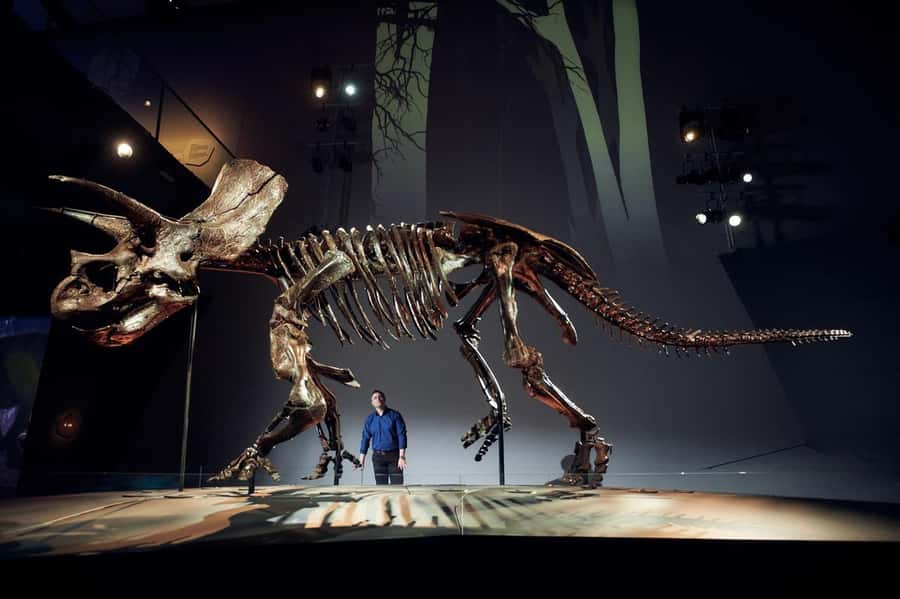
- Horridus the Triceratops: a huge, near-complete fossil experience with 87 percent real bones
- Forest Gallery: tall trees and wildlife that make the museum feel alive
- Science and Life Gallery: fossils, bugs, dinosaurs, and human biology in one run
- Bunjilaka Aboriginal Cultural Centre: thoughtful cultural context for Koori people and other Australian cultures
- Children’s Gallery: a play and learn zone that works well for younger kids
- Phar Lap stable in Melbourne Gallery: a must-see if you like Australian sports history
Your one-day plan at Melbourne Museum, without the stress
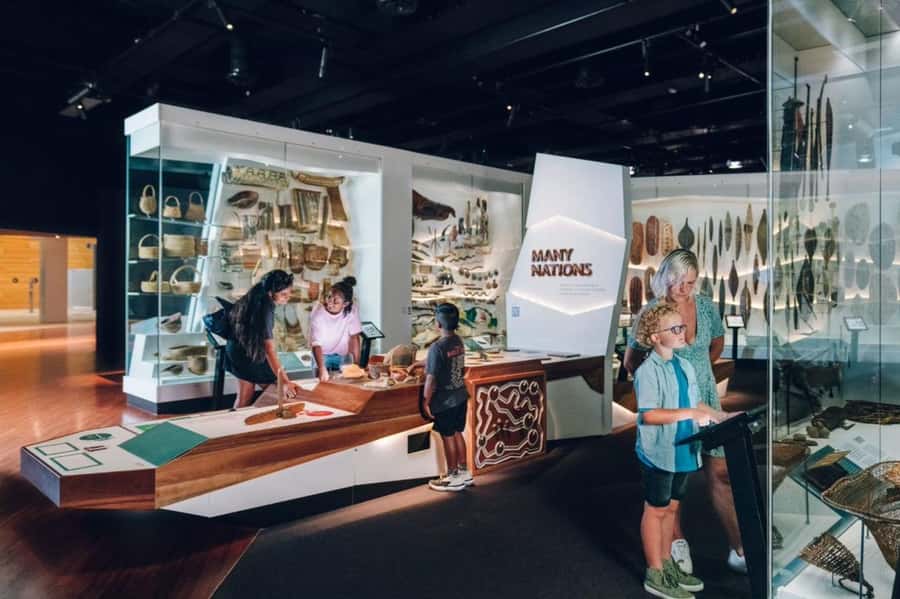
This is an entry ticket style experience, so the biggest win is flexibility. You arrive directly at Melbourne Museum, use your pre-booked ticket, and set your own pace across the galleries. The ticket is valid for 1 day, so it’s a good choice when you want a solid museum chunk but not a full day commitment.
I’d treat it like a half day plus. The museum experience runs best when you move gallery to gallery, take a breather, then return to the highlights you care about most. If you want the full feel, plan for at least 3 hours, and know it can stretch longer if you keep stopping for fossils and interactive displays.
Logistically, there’s an English host or greeter, and it’s wheelchair accessible. You’ll mainly need to bring your own stamina, plus comfortable shoes since you’ll be on your feet.
More Museum Tours in Melbourne
- Melbourne: MCG and Australian Sports Museum Guided Tour
★ 4.7 · 638 reviews - ArtVo Immersive Gallery Experience
★ 4.5 · 423 reviews - MCG Tour & Australian Sports Museum
★ 4.5 · 263 reviews
The dinosaurs and fossils that set the tone fast
If you’re coming for one big wow moment, start with Horridus the Triceratops. This fossil is described as 87 percent real bones, which is exactly why it hits so hard, you are not just looking at a model. The museum also highlights an authentic triceratops discovery, including details about where it was found and how it was buried, which makes the whole dinosaur story feel tangible.
The museum’s fossil angle goes beyond naming species. They connect the discovery story to the bigger late Cretaceous timeline, including the detail that the triceratops fossil was unearthed in Montana and buried under 3.5 meters of sandstone. That kind of context makes you look at the fossil like a real piece of earth science, not just a spectacle.
How to make it work in your visit: don’t rush straight through the dinosaur area. Look first for scale, then for mounting style, then for labels that explain the discovery. If you do that, the dinosaur galleries become something you can actually understand, not just photograph.
Forest Gallery: the science museum moment that feels like a breath
The Forest Gallery is the museum’s living heart. You’re surrounded by tall trees and lots of wildlife features, and it helps that the space is built to slow you down. Instead of feeling like you’re walking from one exhibit to another, it feels more like you step into a habitat and then explore what’s going on there.
This is a great place to start if you want an easy warm up. You can ease into the museum without committing to deep reading right away. Then, once you feel oriented, you move into the more hands-on and biology-focused areas with less effort.
A practical tip: if you get tired later in the day, come back here for a reset. The Forest Gallery tends to feel calmer than the science and fossil rooms, so it’s a nice way to keep your energy up.
Science and Life Gallery: fossils, bugs, and human biology in one sweep
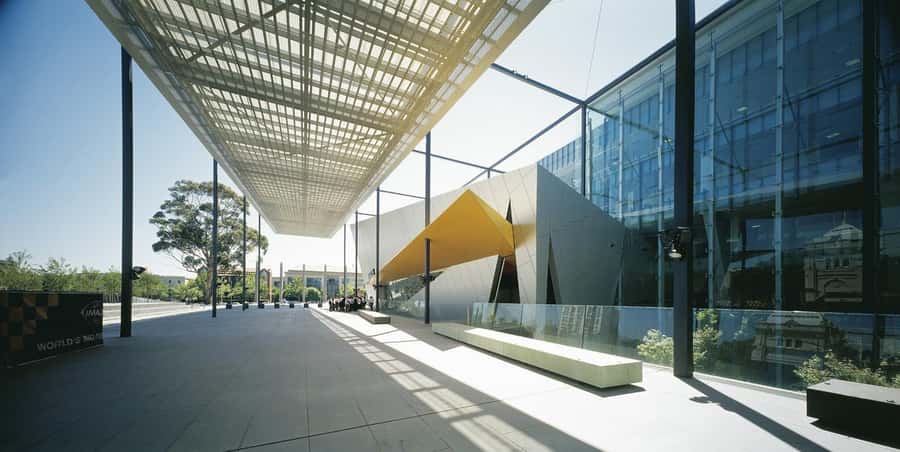
The Science and Life Gallery sits at the west end, and it’s designed to keep you moving. Expect a mix of topics, including bugs, dinosaurs, fossils, and human biology. That variety is the point, you don’t have to be a single-theme museum person to enjoy it.
For me, the value here is how the museum links ideas. You’ll see natural history, then you’ll pivot into science about living things, and eventually you’re thinking about bodies and how humans work. It’s a big jump, but it feels logical because all of it is about life and evidence.
If you’re visiting with kids, this gallery can be your anchor. Even when children bounce between displays, the topic range gives them lots of entry points. For adults, it’s also a good place to learn what you missed in school science, without feeling like you’re stuck in a lecture.
A few more Melbourne trips to compare
- Melbourne Museum: LEGO® Star Wars: The Exhibition Ticket
★ 4.7 · 40 reviews - Melbourne: Australian Sports Museum Admission Ticket
★ 4.6 · 14 reviews - Bundaberg Rum Behind The Scenes Distillery Tour And Museum Experience
★ 5.0 · 724 reviews - Sydney Cricket Ground (SCG) and Museum Walking Tour
★ 4.9 · 616 reviews
Melbourne Gallery and Phar Lap: Victoria’s story in real artifacts
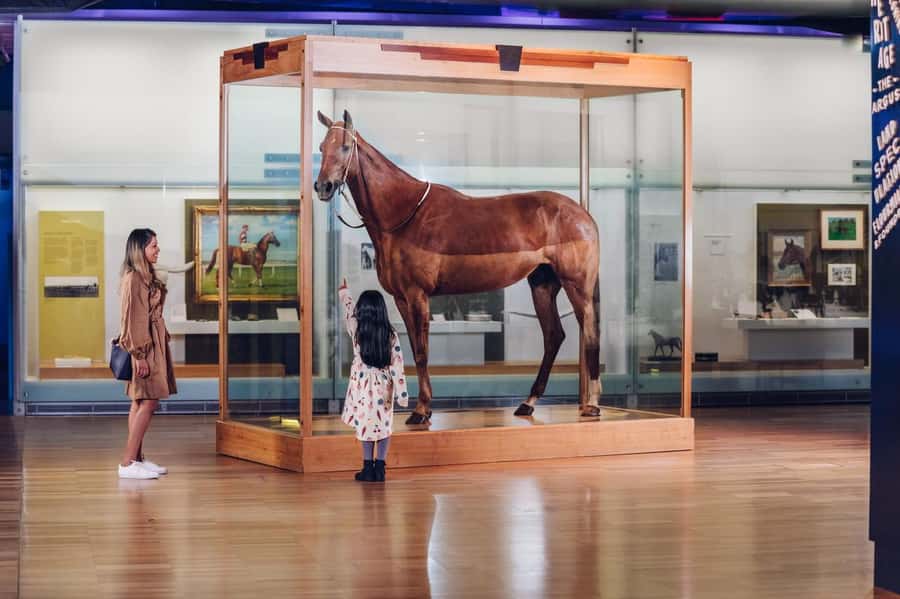
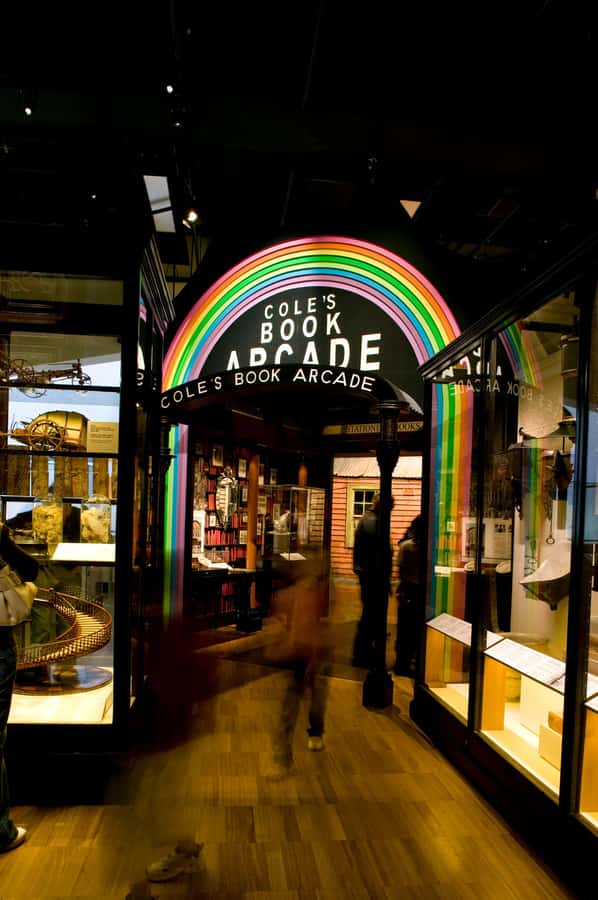
The Melbourne Gallery is the east-end anchor for city storytelling. It helps turn the museum from science-only into a broader experience of how Victoria became what it is. The museum specifically includes the stable of the famous racehorse Phar Lap, which is one of those moments where Australian sports history becomes physical.
Why I think this matters: when you pair natural history with human history, your brain makes better connections. You start thinking about how environment shapes culture, and how animals and people overlap in real ways.
Practical approach: give yourself time in the Melbourne Gallery even if you love science more. The Phar Lap display is a strong reason to pause, and the city story section helps you understand the place you’re traveling through, not just the exhibits.
Bunjilaka Aboriginal Cultural Centre: learning that changes your lens
The Bunjilaka Aboriginal Cultural Centre is one of the most meaningful parts of the museum. It’s described as a place imbued with living traditions and knowledge of Koori people, along with knowledge from other cultures around Australia. That wording is important, because it frames culture as ongoing, not something frozen in the past.
You’ll get a different kind of learning here than you do in fossil halls. Instead of science evidence, you’re looking at knowledge systems, storytelling, and cultural continuity. If you take your time, it can shift how you interpret the rest of the museum, especially the natural environment themes.
How to visit well: keep your expectations flexible. Don’t treat Bunjilaka like a quick add-on. Even if you only spend a short portion of your visit here, slow down enough to read the key messages and notice how the centre’s tone differs from the galleries around it.
Children’s Gallery: a fun break when energy dips
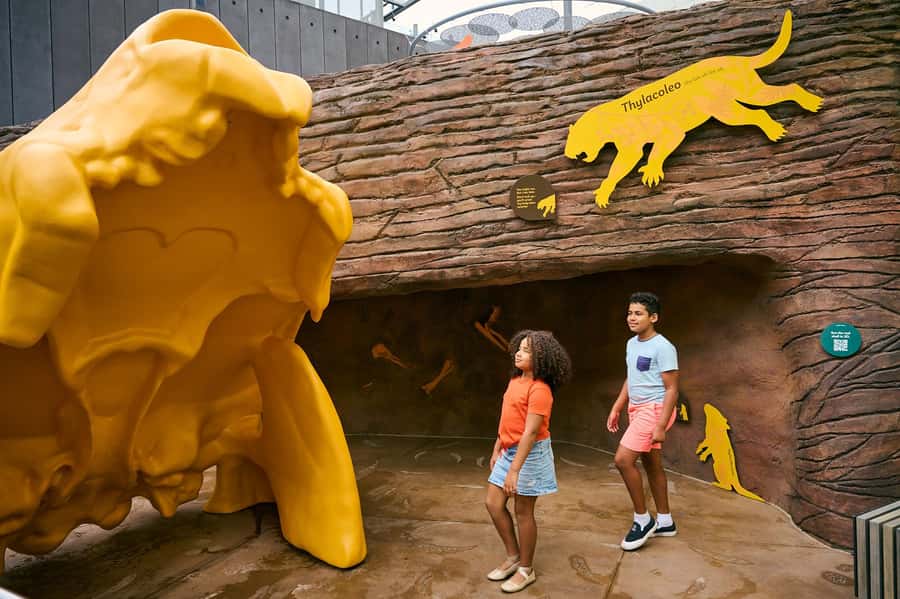
The Children’s Gallery is built for younger kids who want to touch, explore, and learn through play. This makes it a helpful stop even for adults who are traveling with children, because it gives everyone a breather. It’s also a smart strategy for keeping kids from getting restless while you move through the bigger science exhibits.
I’d use it like this: when you notice energy dropping, send the younger ones into the Children’s Gallery while adults do a quick glance at nearby displays. It’s not a “skip it” section, it’s the section that helps your whole day flow.
How long it takes, and how to pace it for a great day

A full experience needs time, and the museum itself asks you to allow at least 3 hours. For most people, that’s enough to see the major galleries without feeling like a sprint.
Here’s a realistic pacing idea that matches how this museum is built:
- Start with the dinosaur fossil highlight so you get the big wow early
- Spend time in the Forest Gallery to reset your mood and slow down
- Head to Science and Life for a broader science sweep
- Close with Melbourne Gallery and Phar Lap, then add Bunjilaka if you have energy
If you leave room, you’ll have the option to return to the fossil area for a second look, or to linger longer in a gallery you connect with.
One small note: the museum can have temporary exhibition schedules and possible closures, so check the museum website before you plan your day. That saves disappointment, especially if you’re aiming for a specific temporary show.
Price and value: is $12 a good deal?

At $12 per person, this ticket is priced like a solid museum entrance rather than a premium tour package. The admission includes access to Melbourne Museum, which means you’re paying for the building, the galleries, and the featured exhibits like Horridus and the Phar Lap stable.
The main “not included” item is IMAX Melbourne tickets. That’s common for museum bundles, so if you want a film add-on, budget separately. If you don’t care about IMAX, you still get plenty to do, especially if you’re a fan of natural history and cultural exhibits.
So, is it worth it? If you can handle about 3 hours on your feet and you like mixing science and culture, yes. This is the kind of attraction where the value comes from the variety, not from one single exhibit.
Who should book this Melbourne Museum entry ticket?
This ticket fits best if you want a self-paced museum day and you like more than one theme. It’s especially good for:
- Families, because the Children’s Gallery gives kids a clear play and learn space
- Science lovers, because Science and Life plus fossil highlights deliver fast
- Culture and history travelers, because Bunjilaka and Melbourne Gallery add meaning
- Anyone who wants one easy plan in Melbourne without complicated routing
If you only want one or two displays, you might find it feels like a lot. But if you enjoy wandering a museum and choosing your own pace, it’s a strong pick.
Should you book this Melbourne Museum entry ticket?
I’d book it if you want a straightforward, high-value museum day in Melbourne. For $12, you’re getting dinosaur fossil highlights, a Forest Gallery that changes the feel of the visit, and cultural depth through Bunjilaka, plus the Phar Lap stable as a distinct local history anchor.
Skip the idea only if you know you won’t spend at least a few hours inside, or if you’re counting on a specific temporary exhibition that you haven’t checked for closures. Otherwise, this is one of those tickets where you can set a realistic plan, see the key rooms, and still have time to linger where you care.
FAQ
How much is the Melbourne Museum entry ticket?
The price is $12 per person.
How long should I plan to spend at the museum?
Allow at least 3 hours for a full experience.
What is included with the ticket?
Admission to Melbourne Museum is included.
What is not included?
IMAX Melbourne tickets are not included.
Where do I go to start?
Arrive directly at Melbourne Museum.
How long is the ticket valid?
It’s valid for 1 day, and you can check availability to see starting times.
Is there an English host or greeter?
Yes, there is an English host or greeter.
Is it wheelchair accessible?
Yes, the experience is wheelchair accessible.
What should I bring?
Wear comfortable shoes.
Can I reserve and pay later?
Yes, you can reserve now and pay later to keep plans flexible.
Newest Melbourne reviews on the site
- Melbourne: 3-Hour Foodie Discovery Walking Tour★ 4.9 · 313 reviews
- Melbourne: Ghosts of Williamstown Guided Ghost Walking Tour★ 4.4 · 47 reviews
- Taste of Melbourne: Local Laneways, Boroughs, Bites & Brews★ 4.8 · 23 reviews
- St Kilda: Group Lesson for Stand-Up Paddleboarding★ 4.9 · 8 reviews
- Melbourne: Spirit Of Melbourne Yarra River Lunch Cruise★ 4.9 · 65 reviews
- Sorrento: Dolphins & Seals Snorkeling Cruise w/ Lunch★ 4.1 · 52 reviews
- Melbourne: Great Ocean Road Ultimate 12 Apostles with Lunch★ 4.5 · 272 reviews
- Puffing Billy, Healesville Sanctuary & Chocolatier★ 4.8 · 9 reviews
Museum Tours in Melbourne, compared.


Browse the lists this tour appears in