
Reviewed · SHOPPING TOURS
Melbourne: Gangsters, Brothels and Lolly Shops Tour
Melbourne’s back lanes tell a wild story. This 2 hour walking tour takes you through Little Lon, the city’s old red-light and slum district, covering the C.1850s-1940s era when the area was largely run by women. I especially like the real street setting for stories about madams, gangsters, and police pressure, and I also like the practical stops outside surviving buildings tied to brothels, sly grog (speakeasies), and drug dens. The main catch is simple: it’s a walking tour with some standing at points, so wear supportive shoes and plan for a bit of time outdoors.
The tour is led by writer and historian Michael Shelford, and it’s built to keep you entertained while still grounded in period detail. You also get a free tour booklet with photos of the characters you’ll hear about, which makes it easier to remember names and connect them to the buildings you pass.
In This Review
- Key things that make this tour worth your time
- Little Lon at street level, and why you can feel the change
- Michael Shelford, and the way the stories stay clear
- Starting at 282 Exhibition Street, right on time
- Squizzy Taylor’s former home stop, where legend meets architecture
- “Houses of ill-fame” and sly grog shops, what the buildings still suggest
- Opium dens and all-night cocaine cafes, and the people behind the demand
- Little Lon’s women, madams, and The Combine
- The last remaining single-storey cottage in Melbourne back lanes
- The “lolly shop” angle, coded meeting points in plain sight
- Price and value for a 2-hour Melbourne underworld walk
- Who should book this tour, and who might prefer something else
- Should you book the Gangsters, Brothels and Lolly Shops Tour?
- FAQ
- How long is the Melbourne Gangsters, Brothels and Lolly Shops Tour?
- Where does the tour start?
- What’s included with the tour?
- How much does it cost?
- Is the tour offered in English?
- Is the tour wheelchair accessible?
Key things that make this tour worth your time
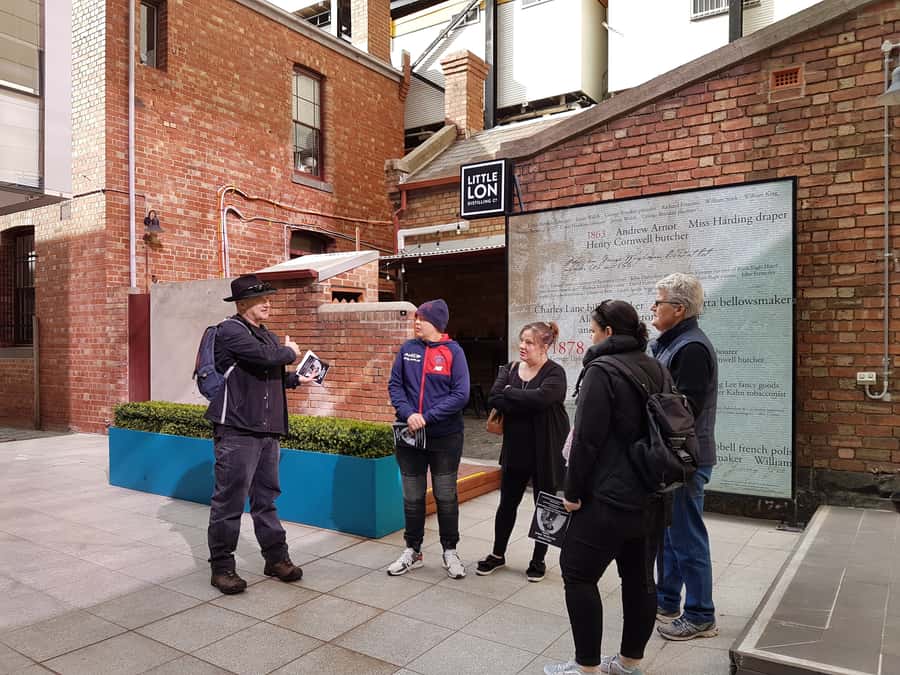
- Little Lon on foot: you walk the lanes tied to brothels, sly grog shops, and street violence.
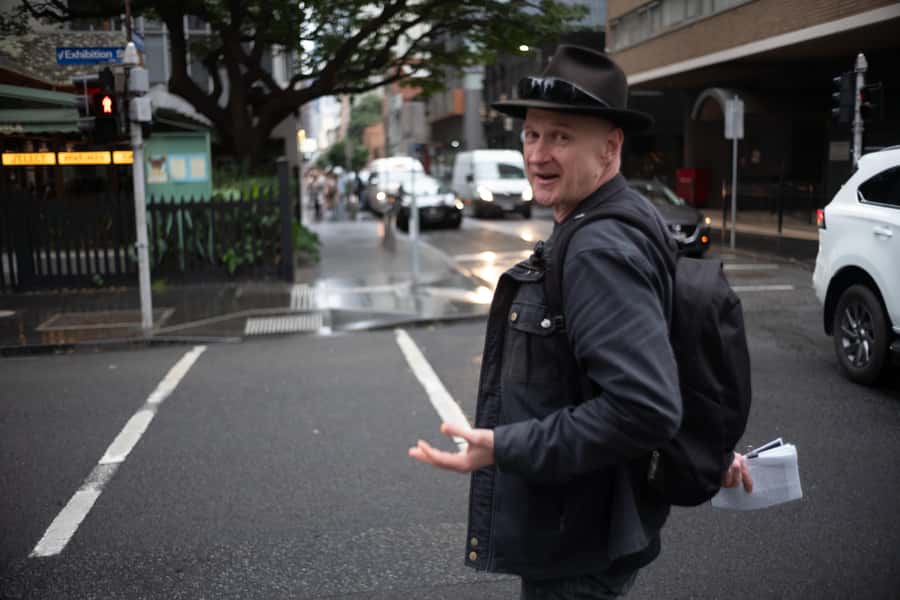
- Squizzy Taylor, in place: you stop outside the former home of Australia’s most famous gangster.
- Lived-in details, not vague myths: you’ll hear about the women who ran the district and the fight for control.
- Drug-era sites: the tour points out examples linked to opium dens and all-night cocaine cafes.
- A rare survival: you visit the last remaining single storey cottage in Melbourne’s back lanes.
- Michael Shelford’s story style: the guide is known for keeping things engaging and interactive.
Little Lon at street level, and why you can feel the change
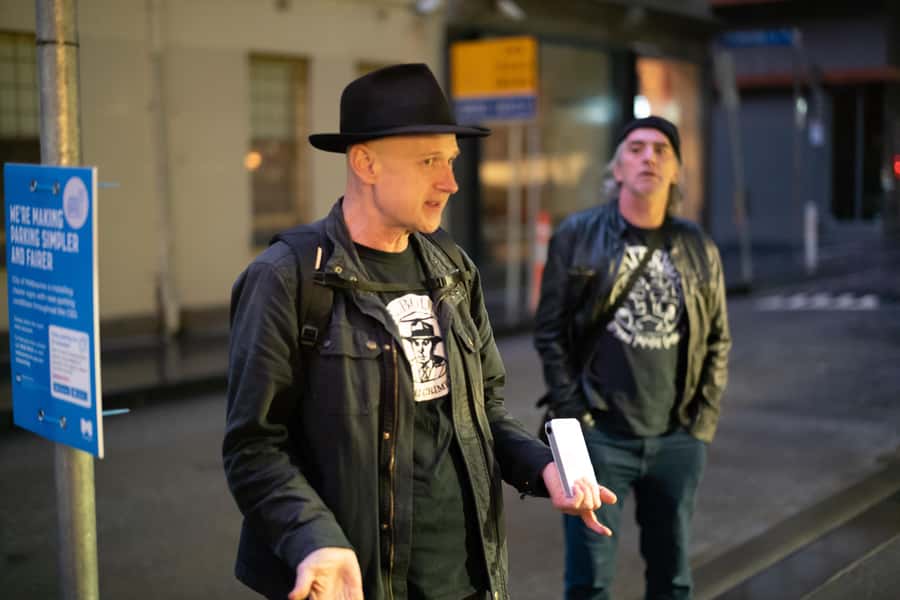
This tour works because it doesn’t treat the past like a museum display. You’re in downtown Melbourne, but the stories map to an earlier world where the same streets carried different rules, different risks, and different kinds of power. Little Lon was often run by women, and the tour keeps coming back to that key point, showing how control was negotiated, protected, and challenged.
What surprised me most in the way this tour is framed is how it uses everyday places to explain underground behavior. Even when the tour talks about confectionery and the “lolly shop” angle, it’s really about how people met, traded, hid, and signaled in plain sight. That’s a helpful way to understand how crime could blend into daily life instead of living only in back rooms.
You’ll also hear an honest mix of events: shootings, bombings, bashings, robberies, and vice tied to opium, cocaine, and sly grog. That matters because it gives you context for why the district had the reputation it did, and why law enforcement and rival gangs kept circling it.
A few more Melbourne trips to compare
- Melbourne Historical Walking Tour: Crime, Gangsters & Lolly Shops
★ 5.0 · 137 reviews - Melbourne Flavors: Queen Victoria Market Food Tour
★ 4.8 · 63 reviews - Adelaide Central Market Discovery Tour
★ 5.0 · 203 reviews
Michael Shelford, and the way the stories stay clear
Michael Shelford is the writer and historian behind the walk, and the best part of that is how the tour turns facts into scenes you can picture. The stories don’t float above the sidewalk. They attach to entrances, alleys, and corners, which helps you remember what happened and who was involved.
You’ll notice the tour style also leans into interaction. It’s not just a nonstop lecture, and the pace is designed so you can ask questions and keep your footing while he explains. Several people highlight how engaging and interactive he is, and that shows in how the tour stays lively without losing the thread.
If you prefer a tour with lots of movement, keep in mind there are moments where you’ll stop and look closely. One person even wished for slightly more walking and less standing. So treat it like a “street story walk,” not a long hike.
Starting at 282 Exhibition Street, right on time
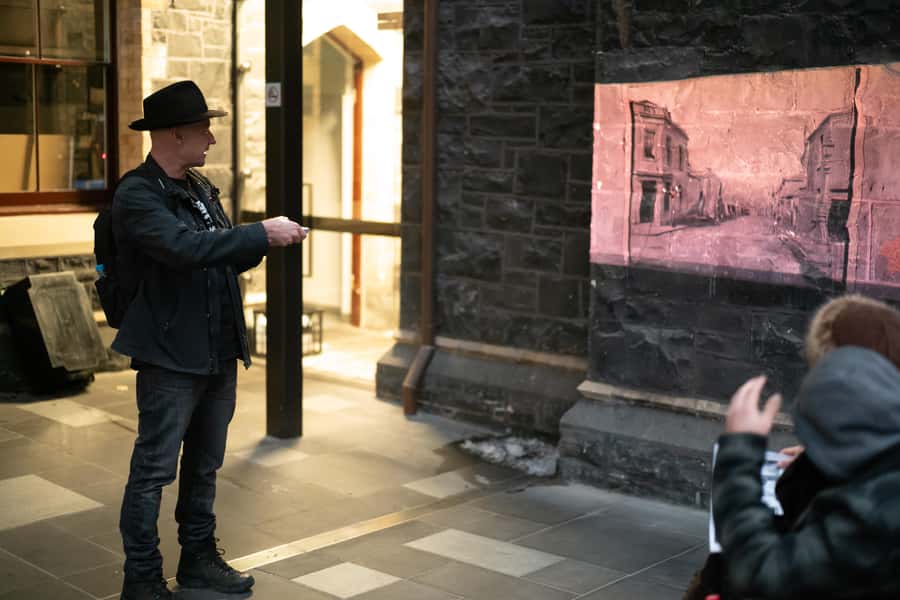
The group meets at 282 Exhibition Street at the Coopers Inn Hotel, and they leave right at the starting time. That sounds minor until you’re the person who’s five minutes late, so I’d treat it like an appointment. If you arrive late, you’ll likely spot the group in the small paved park across the lane.
Why this matters: the tour is short, at 2 hours, so the schedule is tight. The benefit is you’re not dragged around for half a day. The downside is you’ll want to be ready to go when the group departs.
Practical tip: wear comfortable shoes. Even if the pace feels manageable, you’re moving through downtown lanes where the ground can be uneven and the stop times add up.
Squizzy Taylor’s former home stop, where legend meets architecture
One of the most memorable moments on this tour is stopping outside the former home of Squizzy Taylor. Squizzy Taylor is the name most people recognize when they think of Melbourne gangsters, but the tour uses that recognition in a smarter way.
Instead of treating him as a cartoon villain, the stop gives you a physical anchor. When you see a real building tied to a famous gangster, you start understanding how personalities and local power could attach to everyday spaces. It’s also a good entry point into the broader theme: gangsters weren’t working in a vacuum, and the struggle for control included police pressure and local networks.
This is also where you’ll hear how rivalry and violence were part of keeping a territory profitable. In that sense, the stop isn’t just about Squizzy Taylor. It’s about why the district could be so volatile and why control repeatedly shifted.
Same part of the map, a completely different day:
- Great Ocean Road Small-Group Eco Tour from Melbourne
★ 5.0 · 6,607 reviews - From Melbourne: Great Ocean Road, 12 Apostles, Wildlife Tour
★ 4.7 · 6,020 reviews - Laid back, Yarra Valley Wine Tour: Wine, Cider, Gin, Beer + Choc
★ 5.0 · 4,552 reviews - Great Ocean Road Reverse Itinerary Boutique Tour – Max 11 Guests
★ 5.0 · 4,186 reviews
“Houses of ill-fame” and sly grog shops, what the buildings still suggest
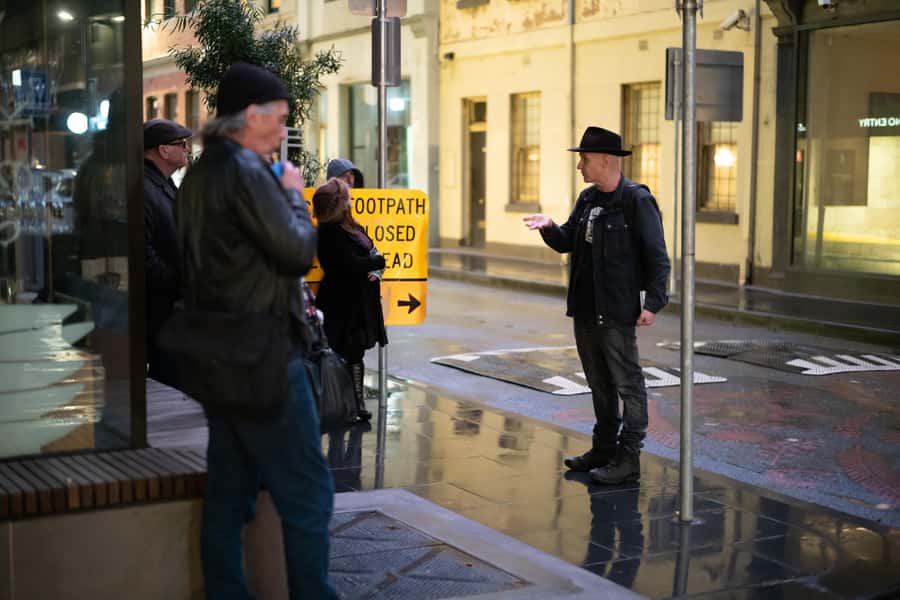
The tour highlights buildings that were once houses of ill-fame about 100 years ago, plus sly grog shops that functioned like speakeasies. Walking past the kinds of structures that once ran vice out of sight does something simple but powerful: it reframes what you think you’re seeing.
You’ll learn what those premises were for and what might have happened inside or nearby. The tour also ties this into the bigger story of the district being shaped by madams, with women managing operations under constant pressure. That’s an important contrast to the usual crime narrative you might expect, which often centers only on the gangsters.
Here’s a practical way to enjoy these stops: look at how the building fronts face the street, then imagine how people could come and go without drawing attention. The tour nudges you to think in that “how would this work in practice” mode, and that’s what turns the buildings into evidence rather than scenery.
Opium dens and all-night cocaine cafes, and the people behind the demand
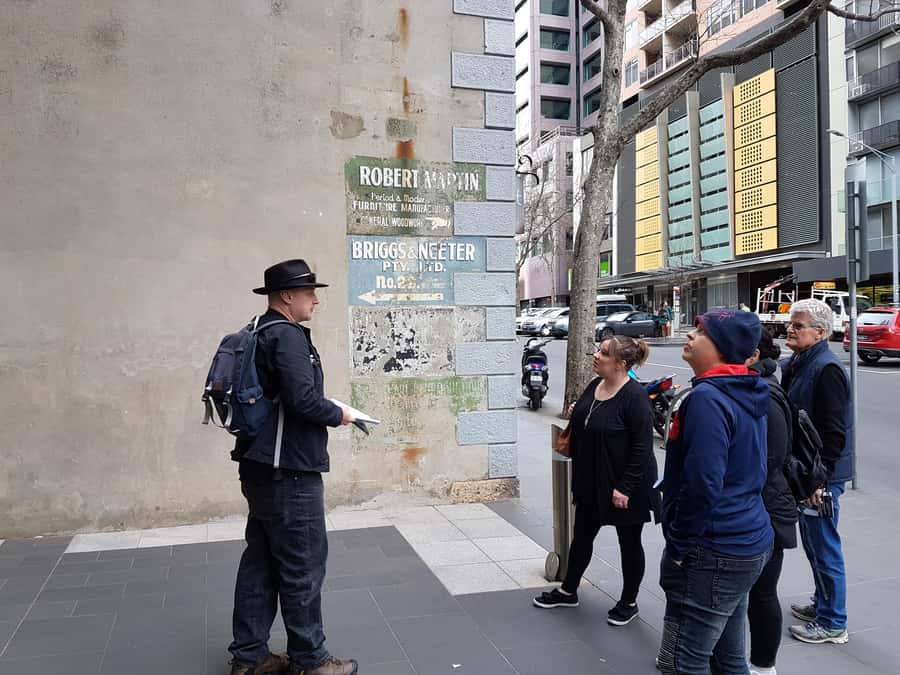
Another standout part of the walk is the coverage of former opium dens and all-night cocaine cafes. You’re not just hearing drug names tossed in as shock value. The tour frames them as part of a wider system, involving customers, street characters, and a constant churn of opportunity and conflict.
This matters because you get a sense of how demand shaped the underworld. Places didn’t exist only because someone wanted to break rules. They existed because a whole set of people showed up, and that created money, leverage, and rivalry. Once you understand that, the talk of shootings and robberies feels less random.
The tour also connects this to who frequented those premises. Even when you don’t get a specific headcount for every location, you do get a clear impression that the underworld had its own social gravity. It pulled in different types of people and created a rhythm that the surrounding neighborhoods had to live with.
Little Lon’s women, madams, and The Combine
One of the most distinctive angles here is the focus on women running the district. The tour describes Little Lon as mostly run by women in the C.1850s-1940s era, and it explains how madams faced off against gangsters and police trying to change the rules.
You’ll also hear about an all-female crime syndicate known as The Combine. That name alone is enough to make the story feel fresh, but what makes it useful is how it connects to the broader theme of control. Instead of viewing vice as a male-dominated free-for-all, the tour shows organization, alliances, and territorial battles.
This approach can help you see why the district had staying power for decades. When the women running the operations were organized, they weren’t just reacting to trouble. They were working to maintain leverage while rivals pushed in from multiple directions.
The last remaining single-storey cottage in Melbourne back lanes
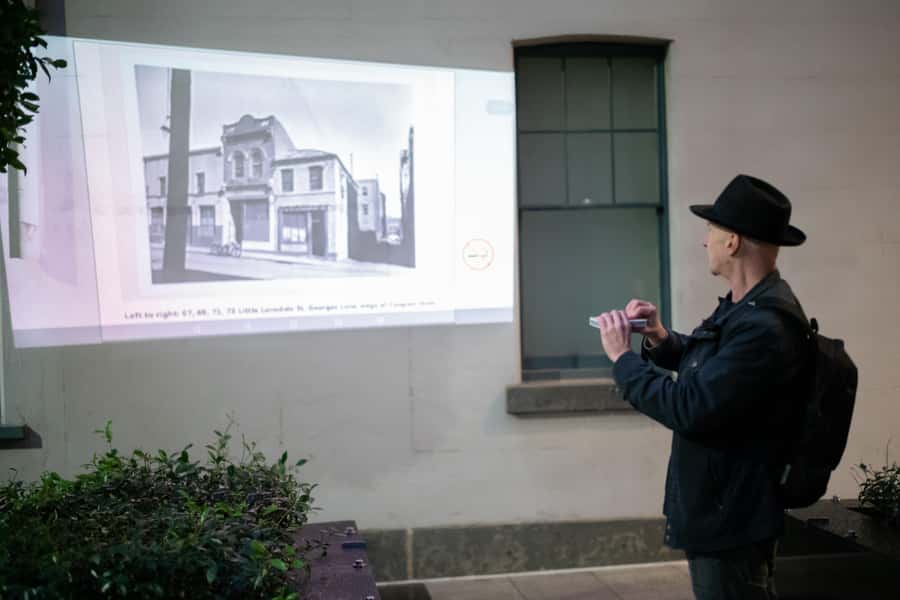
One stop that sounds almost too good to be true, and yet it’s exactly the kind of detail a good walking tour should chase, is the last remaining single storey cottage in Melbourne’s back lanes. It’s a rare survival, and the tour uses it as more than a photo moment.
Old structures like this become time machines because they narrow the gap between “then” and “now.” When you’re standing near something that has managed to remain, it’s easier to hold onto the idea that the stories weren’t just about distant history. They were happening beside real homes, real families, and real everyday movement.
This is also a reminder that cities aren’t erased all at once. You can witness the past in fragments, and a tour like this helps you notice the fragments.
The “lolly shop” angle, coded meeting points in plain sight
The tour title calls out lolly shops, and it’s not random wordplay. The tour explains that, in that earlier era, there was much more on offer at confectionery stores than just sweets and soft drinks. That idea helps you understand how people conducted business and connected without always using obvious or flashy entrances.
This is a great lens for walking around Melbourne after the tour, because you start seeing the “small business” spaces differently. Even if the modern city has different rules, the street logic stays familiar: convenience stores, small shops, and ordinary storefronts have long been part of social networks.
If you like history that feels practical, not just dramatic, this portion is likely to land well.
Price and value for a 2-hour Melbourne underworld walk
The listed price is $35 per person for a 2 hour tour. For that time, you get more than a guide talking in general terms. You get specific stops tied to famous characters like Squizzy Taylor, plus visible links to vice-era spaces such as brothels, sly grog shops, and places connected to opium and cocaine use.
You also get a free tour booklet with photos of the featured characters. That’s not a souvenir fluff item. It helps you remember names and connect them to what you saw, which is especially valuable on a short walking tour where details are easy to forget.
Some notes from past participants suggest pricing can feel like either a great deal or something borderline depending on what they paid at the time. My take is simple: if you want a tightly focused, street-level underworld story in 2 hours, $35 is solid value, especially with the booklet included.
Who should book this tour, and who might prefer something else
This is a good fit if you like urban history, crime stories with real local geography, and guided walks that focus on how neighborhoods actually worked. It’s also a smart choice if you’re a local, because downtown Melbourne has layers and it’s easy to walk past details without knowing what stood there before.
It’s less ideal if you want a purely light or family-friendly theme. The tour covers violence and drug use, including shootings and bombings, so keep that in mind. Also, if you strongly prefer tours with minimal standing, you may want to mentally prepare for a walk that includes stop-and-look moments.
The tour is in English, and it is marked as wheelchair accessible, which makes it easier to plan if mobility is a factor.
Should you book the Gangsters, Brothels and Lolly Shops Tour?
If you want a Melbourne experience that feels specific and local, this is an easy yes. The best part is how it ties story to place, from Squizzy Taylor’s former home to buildings associated with houses of ill-fame and sly grog shops, plus the rare surviving single storey cottage in the back lanes.
Book it if you like a guide who can keep the pace engaging, explain context, and make you pay attention to corners you’d normally ignore. Pass if you’re not comfortable with crime and vice themes or if you know you dislike standing during walking tours.
FAQ
How long is the Melbourne Gangsters, Brothels and Lolly Shops Tour?
The tour lasts 2 hours.
Where does the tour start?
The group meets at 282 Exhibition Street (Coopers Inn Hotel) and leaves right at the starting time.
What’s included with the tour?
You receive a free tour booklet that includes photos of the characters featured on the tour.
How much does it cost?
The price is $35 per person.
Is the tour offered in English?
Yes, the live tour guide provides the tour in English.
Is the tour wheelchair accessible?
Yes, the tour is listed as wheelchair accessible.
Newest Melbourne reviews on the site
- Melbourne: 3-Hour Foodie Discovery Walking Tour★ 4.9 · 313 reviews
- Melbourne: Ghosts of Williamstown Guided Ghost Walking Tour★ 4.4 · 47 reviews
- Taste of Melbourne: Local Laneways, Boroughs, Bites & Brews★ 4.8 · 23 reviews
- St Kilda: Group Lesson for Stand-Up Paddleboarding★ 4.9 · 8 reviews
- Melbourne: Spirit Of Melbourne Yarra River Lunch Cruise★ 4.9 · 65 reviews
- Sorrento: Dolphins & Seals Snorkeling Cruise w/ Lunch★ 4.1 · 52 reviews
- Melbourne: Great Ocean Road Ultimate 12 Apostles with Lunch★ 4.5 · 272 reviews
- Puffing Billy, Healesville Sanctuary & Chocolatier★ 4.8 · 9 reviews
Shopping Tours, compared.
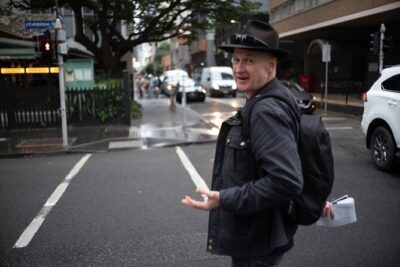
Melbourne Historical Walking Tour: Crime, Gangsters & Lolly Shops
Read our review →
Small-Group Adelaide Central Market Early Breakfast Tour
Read our review →
Melbourne Flavors: Queen Victoria Market Food Tour
Read our review →
“Discover Hahndorf: Wine, Cheese, Beer, Shops & Lunch Day Trip”
Read our review →
Browse the lists this tour appears in