
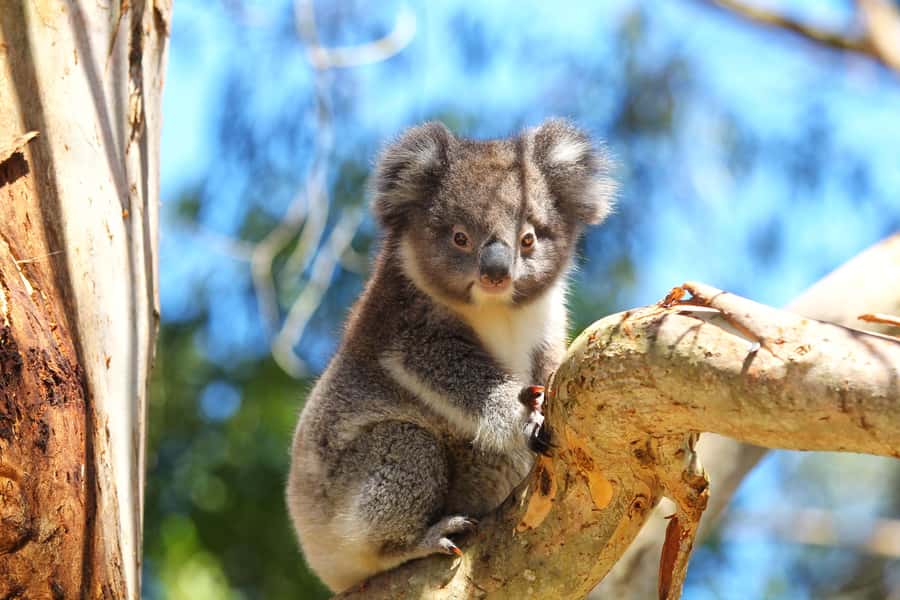
Reviewed · GREAT OCEAN ROAD TOURS
Great Ocean Road: Guided Wildlife Walk that Supports Nature
Wildlife, bushland, and conservation, all in 75 minutes. This guided walk in the Otways pairs native animal spotting with on-the-ground conservation education, plus a stunning forest to ocean feel. I like that it is led by a true conservationist guide, not just a general nature talk.
What I really like is the small, practical way it’s set up. You get headsets and binoculars, and you walk a gentle 1.4 km route through places like tree fern gullies and eucalyptus woodland without needing to be a serious hiker. It’s an easier pace, which helps you actually stop and look.
One thing to consider: it is short. For $41 per person and a 75-minute window, it’s best if you want wildlife, stories, and conservation learning, not a long, rugged hike or guaranteed animal sightings.
In This Review
- Key highlights you will feel right away
- Otways wildlife walk with a conservation mission
- Meeting at the Visitor Centre and getting your binoculars working
- The Conservation Ecology Centre Research Hub stop you will remember
- The 1.4 km gentle route through tree fern gullies and eucalyptus woodland
- Wildlife spotting tips that make a difference on this walk
- Tea, coffee, and light lunch at the Emu Cafe
- Price and value: what $41 buys you besides a walk
- Weather, photo rules, and what to pack so you stay comfortable
- Who should book this guided wildlife walk
- Should you book the Wildlife Wonders 75-minute walk?
- FAQ
- How long is the guided wildlife walk?
- What is included in the price?
- Is food included?
- Where do I meet the guide?
- What should I bring?
- Is flash photography allowed?
- Does the tour run in bad weather?
- Is the tour accessible for wheelchair users?
Key highlights you will feel right away
- Conservation-first setup: all profits go into research and conservation for threatened species
- Binoculars and headsets included: you are not left squinting or asking people to repeat
- Research Hub visit: you get a closer look at conservation projects and techniques
- Gentle 1.4 km walking route: suits all ages and abilities at a comfortable pace
- Refreshments after the walk: tea or coffee and a light lunch at the cafe
- Ocean and forest contrast: you experience bushland with sea vibes in the background
Otways wildlife walk with a conservation mission
The Great Ocean Road is famous for big views, but this is something different. This 75-minute guided wildlife walk focuses on the bush itself, in the Otways, where forest meets the sea. I like that the experience is built around understanding how nature works, not just snapping photos.
The biggest reason this tour feels worth your time is the conservation mission. The partner running it invests 100% of profits into vital research and conservation projects aimed at protecting threatened species. That means your ticket is not just an outing, it is support for ongoing work, like learning techniques and applying them to protect wildlife. For me, that shifts the whole vibe from entertainment to contribution.
Another smart touch is the guide style. You are walking with a conservationist, so the talk tends to connect plants, animals, and behavior. You do not just get facts, you get context for what you are seeing and why it matters.
More Wildlife Tours in Great Ocean Road
- From Melbourne: Great Ocean Road, 12 Apostles, Wildlife Tour
★ 4.7 · 6,020 reviews - Melbourne: Great Ocean Road & Wildlife Tour for Backpackers
★ 4.9 · 306 reviews - Great Ocean Road Reverse Tour with Iconic Stops & Wildlife
★ 4.4 · 264 reviews
Meeting at the Visitor Centre and getting your binoculars working
Your tour starts at the Visitor Centre. On arrival, you check in with the staff and meet your conservationist guide. This matters more than it sounds. When you start organized, you lose less time and you settle in faster, which helps during a short tour.
Once you meet your guide, you are given the tools that make wildlife walks easier. You get headsets so you can hear clearly while you move, and binoculars to help you spot animals from a distance. I love this because it levels the playing field. It means you are less dependent on where you stand in the group.
You also get set up for a rule that improves both nature and safety: flash photography is not allowed. No sudden bursts, less disturbance, and better viewing for everyone. It’s one of those rules that makes the walk feel more thoughtful.
The tour is in English and runs for 75 minutes. That’s a sweet spot. You get enough time for a real guided experience, but it stays easy to fit into a day on the Great Ocean Road.
The Conservation Ecology Centre Research Hub stop you will remember
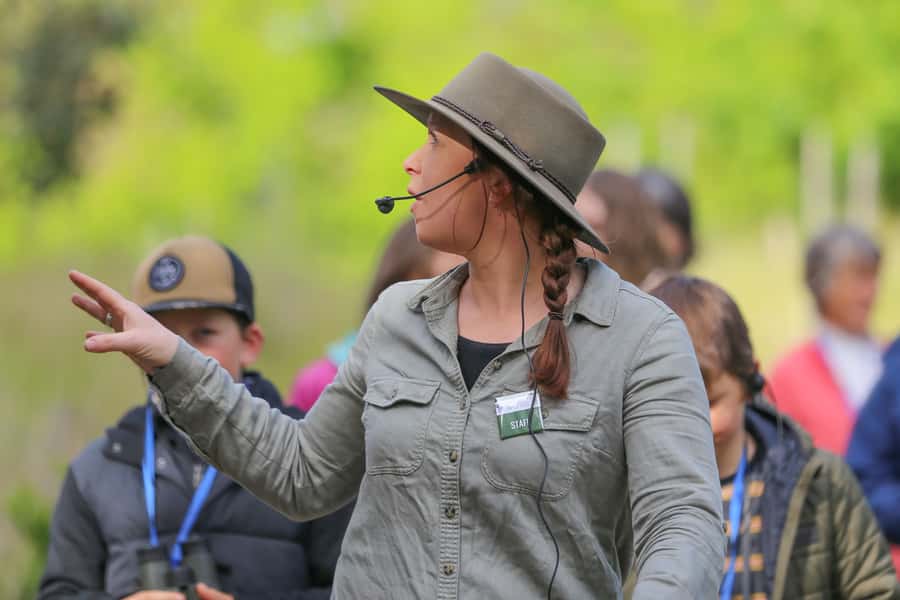
There is a key pause during the walk at the Conservation Ecology Centre Research Hub. This is where the tour lifts from scenic walking into practical conservation.
Here, you learn about the conservation projects being undertaken onsite and you can see research techniques in action. That hands-on element is valuable because it explains conservation as a process, not a slogan. Instead of just hearing that habitats matter, you get a glimpse of how people study and protect threatened species.
This kind of stop can also change how you look at the bush. After a research hub talk, even a simple plant or animal track starts to feel like a clue rather than background noise. I find those moments are what make short tours feel longer.
One extra detail I picked up from a past experience account: a guide named Sascha was praised for being especially caring. That’s exactly what you want here. When someone cares about both wildlife and people, the whole pace feels calmer and the explanations stick.
The 1.4 km gentle route through tree fern gullies and eucalyptus woodland
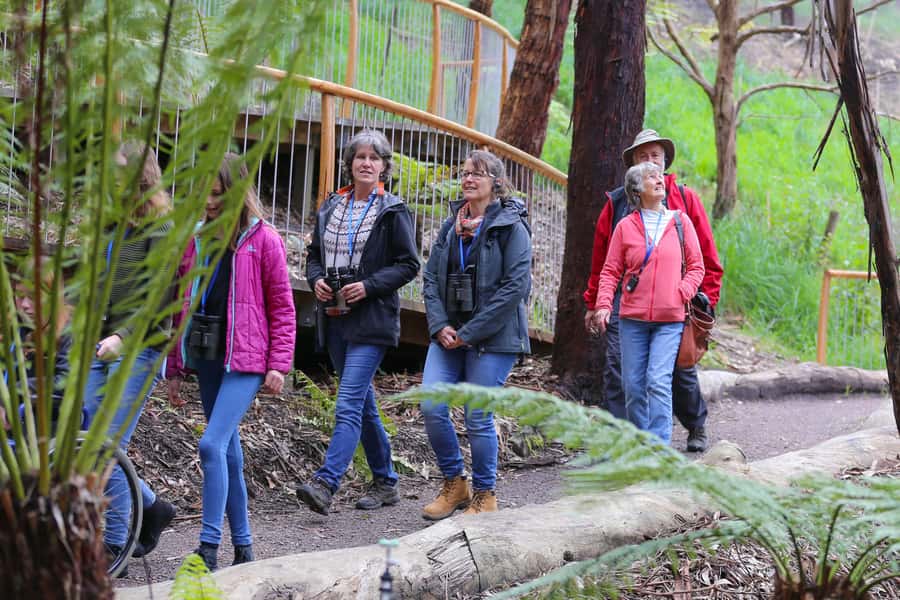
The walk itself follows a gentle, 1.4 km path. It is suitable for all ages and abilities, so you do not need to plan around big elevation gains or rough terrain. Instead, it is about moving slowly enough to notice what you would miss on your own.
You will pass through a mix of Otways bush environments, including tree fern gullies and eucalyptus woodlands. Those sound like scenery words, but they matter for wildlife. Different vegetation types support different insects, birds, and other animals. When your route includes multiple habitats, your chances of seeing more variety improve.
The path is designed so you can pause and listen. With the headsets, you are not forced into awkward crowding or straining for distance. That keeps the walk comfortable, especially if you are traveling with kids, older family members, or anyone who wants a nature experience without the physical strain.
Also, the setting is visually strong. Even if you are focused on wildlife, the forest-to-sea atmosphere helps the experience feel special. It’s not a bland trail through trees. It’s a place with real character.
More Great Ocean Road runs:
- Great Ocean Road Small-Group Eco Tour from Melbourne
★ 5.0 · 6,607 reviews - Great Ocean Road Reverse Itinerary Boutique Tour – Max 11 Guests
★ 5.0 · 4,186 reviews - Great Ocean Road Tour w/ Deluxe Minibus & Top-Rated Guide
★ 4.8 · 2,644 reviews - Melbourne: Great Ocean Road Extended–Top Stops&London Bridge
★ 4.5 · 1,920 reviews
Wildlife spotting tips that make a difference on this walk
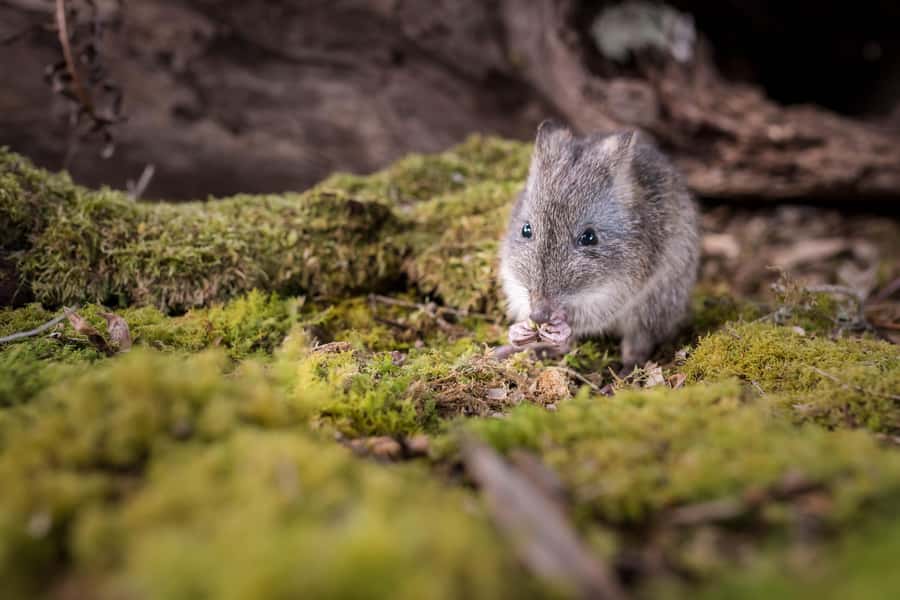
The tour is built around native wildlife living freely in a natural environment, with a stunning ocean backdrop. Still, wildlife walks always depend on conditions and the animals’ own timing. What you can control is how ready you are to observe.
Here’s how I suggest you maximize your odds during the walk:
- Use the binoculars early, not only when you think you saw something. Get comfortable with the focus range while you still have time.
- Pay attention to the guide’s habit of explaining what to look for. Conservationist guides usually connect behavior to habitat cues.
- Move your attention from ground level to branches. Many animals are easier to spot once you remember they occupy different heights.
- Keep your jacket handy and stay loose. If you are chilly, you will stop listening and you will miss small details.
You are also walking with a conservationist, which usually means you learn to recognize signs, like feeding behavior, shelter patterns, or what plants might attract insects that attract birds and other wildlife. That kind of learning is often what makes sightings click, even when the animals stay just out of perfect view.
And since flash photography is off the table, you are less likely to disturb wildlife. That helps your experience and helps the animals.
Tea, coffee, and light lunch at the Emu Cafe
After the walk, you can relax at the cafe. You can grab tea or coffee and a light lunch at the Emu Cafe. This is a practical way to round out a short outdoor activity. You get time to warm up, review what you saw, and plan the next stop along the Great Ocean Road.
The tour includes the option for refreshments after, but the food and drink from Emu Cafe is not included in the tour price. So if you want lunch, budget a little extra. I like having this flexibility because you can keep it light or turn it into a full break.
There is also a gift shop, which can be useful if you want a small memento after a nature-focused day. It’s also an easy way to grab something quickly before you head back out.
Price and value: what $41 buys you besides a walk
At $41 per person for 75 minutes, this isn’t a bargain in the way a free viewpoint is. But for what you get, it can be good value, especially if you care about wildlife and conservation.
Your ticket includes:
- A 75-minute guided walk with a conservationist guide
- Headsets and binoculars
- Parking onsite
That equipment and guided interpretation changes the experience. Without binoculars and clear audio, wildlife walks often turn into “Did you see that?” and “Can you point again?” With gear and a conservation guide, you get more usable learning in less time.
The other big value driver is where the money goes. Because 100% of profits is invested into conservation and research projects to save threatened species, you are paying for impact, not only narration. If that matters to you, the price starts to feel more reasonable.
Still, the short duration is a real consideration. If your main goal is exercise or you want a full day in the bush, this might feel brief. One price/value concern that comes up is that the walk is short for the cost. I agree it’s not trying to replace a long hiking day, it’s trying to deliver a high-quality wildlife and conservation experience in under two hours.
Weather, photo rules, and what to pack so you stay comfortable
Tours run in almost all weather conditions. However, extreme weather can cause a delay or a reschedule for safety. That is normal in outdoor activities, but it’s worth planning around so you are not angry at the sky.
For packing, the essentials are simple and practical:
- Comfortable shoes, because you will be walking a full 1.4 km route
- A jacket, because weather can shift quickly in bush areas
One more rule that affects your experience: no flash photography. If you rely on phone flash, it will not work here. Plan on natural light, steady hands, and using binoculars when you spot movement.
Finally, because this is a guided walk through bushland, keep expectations grounded. You are going to be outside, moving gently, and learning how to look. The best results come when you treat it like observation time, not a hunt.
Who should book this guided wildlife walk
This is a great fit for you if:
- You want a nature-focused Great Ocean Road stop that is short, easy to join, and genuinely guided
- You prefer learning about conservation projects, not just seeing trees and taking photos
- You appreciate having binoculars and clear audio so you can actually follow along
- You like animal-focused experiences in habitats where wildlife lives freely
It may not be your best choice if:
- You want a long hike or big physical challenge
- You need a full-day plan with lots of stops
- You are only interested in guaranteed wildlife sightings on demand
Should you book the Wildlife Wonders 75-minute walk?
If you like wildlife, you want a gentle pace, and you care about conservation outcomes, I think you will feel good about booking this. The combination of a conservationist guide, real research hub learning, and provided spotting gear makes it more than a casual stroll.
If you are on a tight budget or you expect a longer adventure, you might decide it is too short for the cost. But if you want a high-impact, low-stress nature break that fits neatly into a Great Ocean Road day, this is a solid pick.
FAQ
How long is the guided wildlife walk?
The tour lasts 75 minutes.
What is included in the price?
It includes a 75-minute tour with a conservationist guide, headsets and binoculars for use during the tour, and parking onsite.
Is food included?
Food and drink from the Emu Cafe are not included, though you can enjoy tea or coffee and a light lunch at the cafe after the walk.
Where do I meet the guide?
You meet at the Visitor Centre. On arrival, you check in with the staff.
What should I bring?
Bring comfortable shoes and a jacket.
Is flash photography allowed?
No, flash photography is not allowed.
Does the tour run in bad weather?
Tours run in almost all weather conditions, but extreme weather may delay or reschedule the tour for participant safety.
Is the tour accessible for wheelchair users?
Yes, the tour is wheelchair accessible.
More Walking Tours in Great Ocean Road
- Great Ocean Road Tour Plus Koalas, Forest Walk and Morning Tea
★ 4.5 · 1,068 reviews - Great Ocean Road 12 Apostles & Rainforest Walk with Morning Tea
★ 4.5 · 549 reviews - Sydney Opera House Official Guided Walking Tour
★ 4.5 · 3,770 reviews - From Sydney: Blue Mountains Tour with Waterfall Walk & Lunch
★ 4.8 · 2,400 reviews
More Wildlife in Great Ocean Road
- Great Ocean Road and Wildlife Tour for Backpackers aged 18-35
★ 5.0 · 212 reviews - Great Ocean Road Reverse Tour London Bridge Wildlife
★ 4.4 · 77 reviews - Apollo Bay: Dusk Discovery Great Ocean Road Wildlife Tour
★ 4.6 · 14 reviews - Penguin Parade, & Wildlife Encounters Eco Tour from Melbourne
★ 5.0 · 3,774 reviews
Newest Great Ocean Road reviews on the site
- 3-Day Adelaide to Melbourne Tour Including the Great Ocean Road★ 5.0 · 12 reviews
- 3-Day Adelaide to Melbourne Small-Group Grampian Great Ocean Road★ 4.5 · 43 reviews
- Torquay: 2 Hour Surf Experience on the Great Ocean Road★ 4.8 · 113 reviews
- Torquay: Skydive over The Great Ocean Road – opt Melb pickup★ 4.8 · 28 reviews
- Melbourne: Great Ocean Road Ultimate 12 Apostles with Lunch★ 4.5 · 272 reviews
- Private Great Ocean Road Tour★ 5.0 · 8 reviews
- Oceans to Mountains Explorer: 3-Day Great Ocean Road Tour★ 4.9 · 59 reviews
- Melbourne to Adelaide: 2-Day Great Ocean Road Grampians Tour★ 4.8 · 26 reviews
Great Ocean Road Tours, compared.
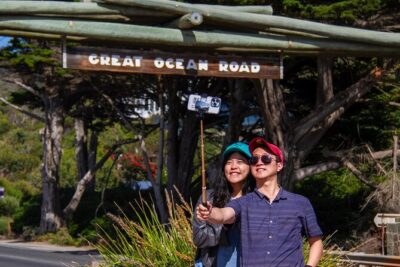
Great Ocean Road Small-Group Eco Tour from Melbourne
Read our review →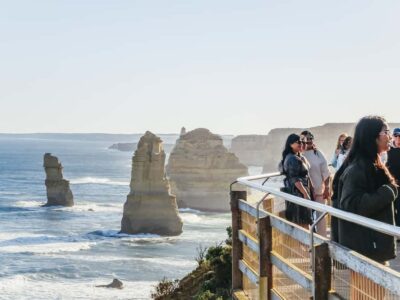
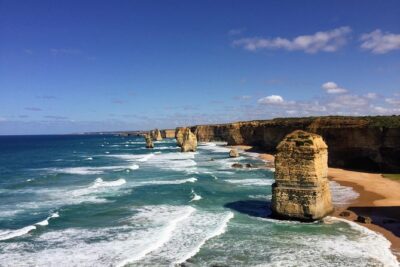
Great Ocean Road Reverse Itinerary Boutique Tour – Max 11 Guests
Read our review →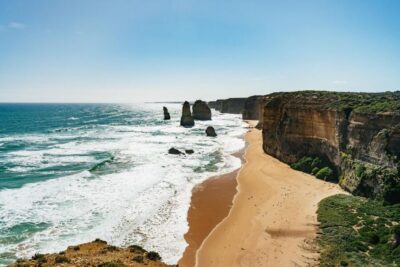
Great Ocean Road Tour w/ Deluxe Minibus & Top-Rated Guide
Read our review →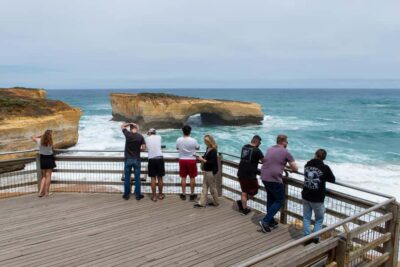
Great Ocean Road Extended–Top Stops&London Bridge
Read our review →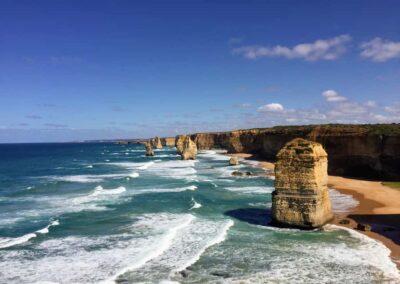
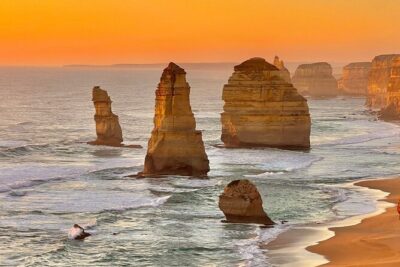
Great Ocean Road Full-Day Sunset Eco Tour from Melbourne
Read our review →
Great Ocean Road Tour Plus Koalas, Forest Walk and Morning Tea
Read our review →Browse the lists this tour appears in