
Reviewed · NATIONAL PARKS
From Hobart/Adventure Bay: Bruny Island Wilderness Cruise
Bruny Island feels wild in a way photos can’t copy. This wilderness cruise takes you along Australia’s highest sea cliffs, through sea caves, and close to wildlife like seals, dolphins, and migrating whales, with guides who add real personality to the trip. Two things I like a lot are the open-air all-round boat seating (you see more from every angle) and the chance to hear Breathing Rock up close, not just look at it. One drawback to plan for is that conditions can get cold and choppy, so it’s not the calmest ride in the world.
You’ll also get extra time on Bruny Island after the cruise, which is a nice payoff because you get both the sea view and the on-island atmosphere. If you hate waiting and you get seasick easily, pack smart and choose your day wisely, because the Tasman Sea can have opinions.
In This Review
- Key moments worth showing up for
- Why this cruise feels different from a normal boat trip
- Getting to the water: ferry timing and how the day flows
- The yellow boats: seating, weather gear, and the comfort level
- Breathing Rock, caves, and the narrow gap near The Monument
- The Friars drift: seals and seabirds at close range
- Wildlife spotting tips that actually help on this route
- Bruny Island after the cruise: how the free time pays off
- Price and value: is $127 per person a fair deal?
- Who should book, and who might skip it
- Should you book this Bruny Island Wilderness Cruise?
- FAQ
- How long is the Bruny Island Wilderness Cruise?
- Where does the tour start if I’m coming from Hobart?
- What should I bring?
- What is included in the ticket price?
- Is food included?
- Do I need to meet a minimum age requirement?
- When do I need to arrive for the ferry?
Key moments worth showing up for
- Breathing Rock: get close enough to listen to it in action.
- Friars seal country: drift quietly near a seabird nesting area and a haul-out packed with seals.
- Tiered open-air seating: better sightlines for everyone.
- Custom wet-weather kit: full jacket help in wind and spray, even when it rains.
- Wildlife variety: seals, dolphins, sea birds, and sometimes migrating whales.
Why this cruise feels different from a normal boat trip
This is one of those tours where the scenery and wildlife are tied together. You’re not just cruising past views you could get from a roadside lookout. The boat route is built for getting near the action, especially along rugged coastlines where the ocean, cliffs, and seabird nesting sites all meet.
The wildlife part is the headline, but the real magic is how the guides read the water. You’ll spend time searching for seals, dolphins, migrating whales, and sea birds with an interpretive guide, and you’ll also get specific stops designed for wildlife behavior, like the Friars drift where the boat moves quietly past nesting seabirds and a major seal haul-out.
And yes, the boat is built for seeing. The custom-built yellow boats have open-air tiered seating, so you’re not stuck behind someone’s hat or trying to “peak” between shoulders. It makes a difference on a wildlife trip where small changes matter.
A few more Australia trips to compare
- Litchfield National Park and Jumping Crocodile Cruise
★ 5.0 · 2,119 reviews - Grampians National Park Small-Group Eco Tour from Melbourne
★ 5.0 · 761 reviews - From Port Arthur: Tasman Island Wilderness Cruise
★ 4.9 · 704 reviews
Getting to the water: ferry timing and how the day flows
You can start your tour either on Bruny Island or from Hobart, depending on the option you choose. Duration is listed as 3 to 10 hours, which usually means you’re matching the length to where you begin and whether you add the return bus tour to Hobart.
If you’re starting from Hobart, do the simple timing math: you need to be at the ferry terminal 30 minutes before departure. The ferry crossing takes 20 minutes, and once you reach Bruny Island, Adventure Bay is a 35-minute drive south.
That’s important because it affects the whole day. People often assume they can roll in late and still catch the fun. Here, being early is what keeps your day from feeling like a sprint with lifejackets.
If you’re prone to motion sickness, factor in that you will be on moving water for the cruise itself and potentially the ferry crossing too. The good news is staff often provide seasickness aids, so you’re not left to guess.
The yellow boats: seating, weather gear, and the comfort level
Let’s talk comfort, because this cruise is weather-dependent. You’ll have access to a wet weather jacket, which is a practical inclusion. In reviews, people consistently mention provided ponchos or full waterproof wind-and-water gear, and it matters because the wind-chill off the water can be serious, even when the coast looks manageable.
On top of that, you’re in an open-air setup. That’s great for views, but it also means wind hits you directly. The tiered seating is a big win for sightlines, but plan to dress for the boat, not for the parking lot.
Also note the ride style. Some guests describe it as thrilling, not slow and sleepy. If you prefer a gentler pace, or you’re traveling with someone who gets overwhelmed by bumpy water, this is the one factor to think through before you book.
One more comfort detail that shows up in feedback: staff can provide seasickness tablets, and some people also mention small practical touches like warmth or snacks at the end. Those specifics can vary by day, but the overall pattern is clear: they aim to help you feel okay while you’re out there.
Breathing Rock, caves, and the narrow gap near The Monument
The cruise route includes several standout natural features that are worth understanding before you go, because it helps you notice things in real time.
Breathing Rock is the showpiece you’ll hear about. The idea is simple: you drift close enough for the ocean action to create that breathing effect. It’s not just a cool name. The sound and force make the coast feel alive.
Then you move into deeper water scenery with sea caves. You’ll also pass through a narrow gap between the coast and The Monument. That kind of passage does two things. It gives you dramatic close views you can’t get from shore, and it also signals you’re in a zone where waves and currents are shaping the coast fast.
A good way to think about this portion: you’re seeing geology at work, not just wildlife habitat. The Tasman Sea meeting the Southern Ocean is part of the story the guide will connect for you, and it helps explain why you can get both rough conditions and amazing marine life on the same stretch of coastline.
More boat trips from Australia:
- Great Barrier Reef Snorkeling and Diving Cruise from Cairns
★ 4.5 · 3,714 reviews - From Cairns: Great Barrier Reef Cruise by Premium Catamaran
★ 4.9 · 3,567 reviews - Whitehaven Beach and Hill Inlet Lookout Snorkeling Cruise
★ 5.0 · 2,953 reviews - Sydney: Big Bus Hop-On Hop-Off Tour with Optional Cruise
★ 4.4 · 2,697 reviews
The Friars drift: seals and seabirds at close range
If your goal is wildlife, the Friars segment is the one to center your expectations on. The cruise description calls out drifting quietly past rare nesting seabirds and a large haul-out home to thousands of seals.
That wording matters. It’s not a “speed up for a selfie” moment. A slow drift is what lets seals stay put and seabirds behave naturally. It also means you should be ready to stay focused, not just scan the water when you remember.
What you’ll likely see here is the difference between wildlife that’s roaming and wildlife that’s using the coast as a base. Seal haul-outs are built like that, and the more stable the boat movement, the easier it is to watch behavior like resting, moving to another rock, or reacting to the nearby swell.
On many days, guests report multiple species in one run, including seals plus other birds and sometimes dolphins or whales depending on where the water brings them. That’s the luck element. But the Friars stop is still a strong bet because it’s anchored to a place where seals reliably hang out.
Wildlife spotting tips that actually help on this route
Wildlife trips can be frustrating if you think it’s all about luck. Here’s how to make your odds better once you’re on the boat.
First, keep your attention wide. With tiered open-air seating, you can scan both sides of the boat. Don’t lock your eyes on one direction for minutes at a time. Sea birds can appear suddenly, and seal movements are often small.
Second, listen to the guide’s cues. The cruise includes interpretive commentary, and staff are positioned to spot wildlife patterns in real time. When they slow the drift or describe what they’re searching for, treat it like a hint, not a script.
Third, bring your weather mind. When it’s windy or rainy, people tend to look only briefly because it feels uncomfortable. Dressing for the boat helps you stay out there watching longer, and longer watching is where you find the extra moments.
Finally, give yourself a reality check. Some days you’ll see more whales. Some days it’s mostly seals and birds. That’s normal in the open ocean. What makes this tour worth it is that even the “smaller” sightings still happen in a dramatic place with a guided context.
Bruny Island after the cruise: how the free time pays off
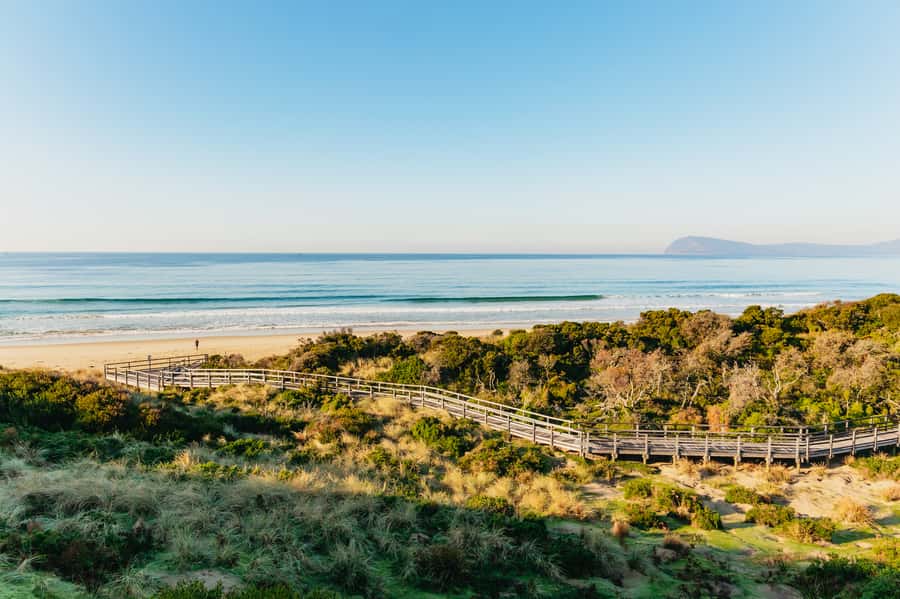
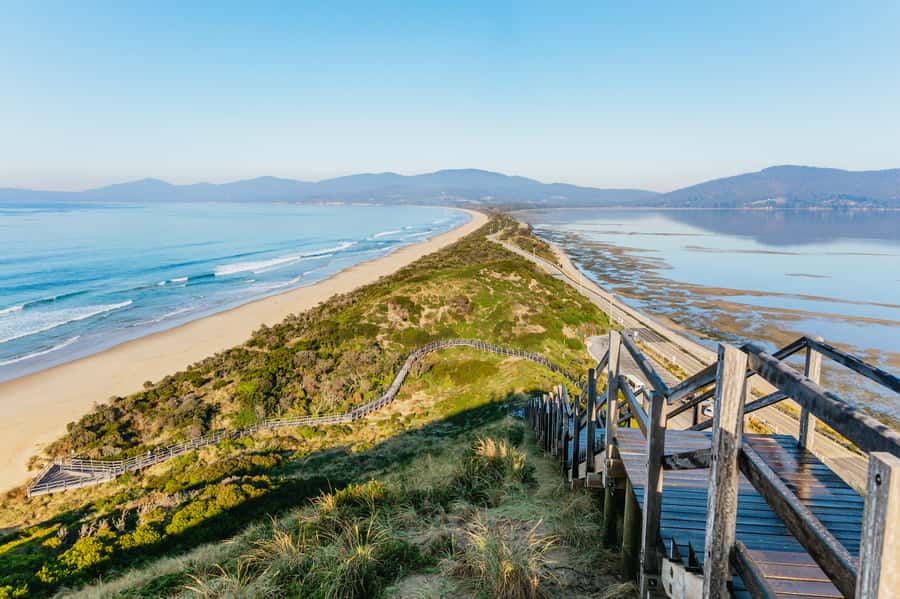
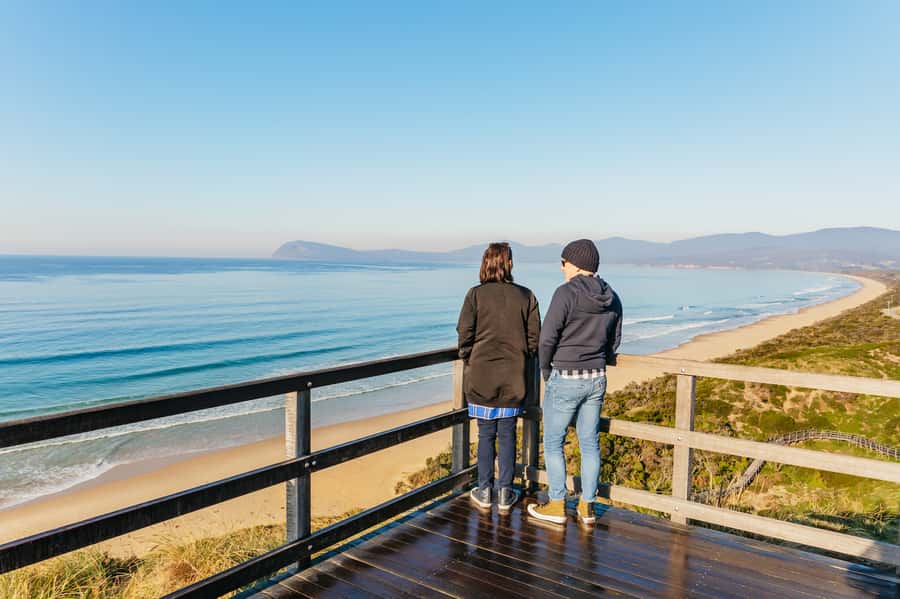
After the cruise, you disembark and you get time to explore Bruny Island. This is a smart part of the design because it turns your day from pure water time into a fuller island experience.
You’ll already have the coast in your head by then, so your brain starts matching what you saw on the boat to what’s visible on shore. It’s also just a relief to stretch, grab photos without wind blasting your face, and take a slower rhythm.
If you selected the option that includes it, you’ll then enjoy a guided bus tour as you return to Hobart. That can be handy if you want a bit more structure to fill the day without having to plan stops yourself.
One practical note: food and drinks are not listed as included. Some guests mention added treats or meals around the experience, but you should still plan on buying what you need unless your exact package says otherwise.
Price and value: is $127 per person a fair deal?

At $127 per person, this cruise isn’t the cheapest way to spend half a day. But it also isn’t just a “ride.” You’re paying for several things that add up quickly:
- a guided wilderness-style boat cruise built for close wildlife viewing
- a provided wet weather jacket, which saves you money and keeps you comfortable
- ferry crossings (and in some options, Hobart hotel drop-off)
- and potentially the guided bus return experience if you choose that add-on
When I think about value on tours like this, the question I ask is whether the boat route gives you access that would be hard, slow, or impossible on your own. Here, the answer is yes. Getting near features like Breathing Rock, passing through the narrow gap near The Monument, and doing a quiet Friars drift for seabirds and seals is exactly the kind of in-the-right-spot experience that’s difficult to replicate without a local operator.
The main thing you should watch is what you’re selecting. If you add the Hobart bus portion, you’re paying more for transport and structure, but you also get a smoother day.
Who should book, and who might skip it
This is a great fit if:
- you want wildlife with real habitat, not just distant viewing
- you’re okay with cool, windy conditions and dressing in layers
- you like guided interpretation and want help spotting what matters
- you want both sea time and Bruny Island free time
It may not be the best match if:
- you strongly prefer a calm, slow cruise, because the ride can be described as thrilling and sometimes bumpy
- someone in your group gets easily overwhelmed by wind and spray, even with jackets and ponchos
- you don’t want to plan your day around ferry timing, since you need to arrive early at the terminal
Guide personality also comes through in feedback. People mention guides such as Zoey and Nat for being engaging, and names like Ari or Arie, Dana and Luke, and Mick appear in comments about running the day well and keeping guests comfortable. Even if you don’t know your guide ahead of time, the pattern is that the crew talks and moves with purpose, not like they’re reading facts from a clipboard.
Should you book this Bruny Island Wilderness Cruise?
My honest take: if you’re visiting Tasmania and you want one day that feels like you’re really out in the wild, this is a strong choice. The wildlife viewing tied to specific coast locations, plus the chance to listen to Breathing Rock and then explore Bruny Island, gives you more payoff than a basic sightseeing cruise.
Book it if you can handle cold wind and a bouncy sea day. If that worries you, do two things: dress for the boat first, and consider the weather on your travel dates. Also, pack or plan for motion sickness support, because conditions at the Tasman Sea and Southern Ocean meeting point can make the ride exciting.
If you’re still on the fence, look at your travel style. If you like active wildlife days with a guide keeping the day flowing, you’ll likely love it. If you want total calm, choose a different kind of tour for your water time.
FAQ
How long is the Bruny Island Wilderness Cruise?
The duration is listed as 3 to 10 hours, depending on the starting option and what’s selected for your day.
Where does the tour start if I’m coming from Hobart?
The meeting point can vary depending on the option booked. You’ll then use the ferry, with a 20-minute ferry crossing, and a drive time of about 35 minutes south to Adventure Bay once on Bruny Island.
What should I bring?
Wear comfortable shoes. Layering helps for wind and spray, and you’ll be provided with wet weather jacket support.
What is included in the ticket price?
Included items are the wilderness cruise and a wet weather jacket. If you select the Hobart option, the return guided bus tour is included, and you may also get ferry crossings and a Hobart hotel drop-off.
Is food included?
Food and drinks are listed as not included. Some guests mention meals and snacks in their experience, but you should still confirm what’s included for your exact booking.
Do I need to meet a minimum age requirement?
No minimum age is stated, and there is no minimum group size.
When do I need to arrive for the ferry?
You should arrive at the ferry terminal 30 minutes prior to ferry departure.
Newest Australia reviews on the site
- Airlie Coastal Beach Adventures – Dingo Beach & Cape Gloucester★ 5.0 · 27 reviews
- Airlie Waterfalls & Rainforest Bushwalk Eco Adventure★ 5.0 · 23 reviews
- Airlie Beach Sightseeing Explorer- 3 hr Snaphots & highlights★ 5.0 · 33 reviews
- Whitsundays Day Cruise: Whitehaven Beach & Hill Inlet★ 5.0 · 274 reviews
- One Way Airport Transfer: Proserpine-Airlie Beach (or vice versa)★ 4.5 · 63 reviews
- Bowen Beaches Discovery-Top of the Whitsundays★ 5.0 · 40 reviews
- British Defender 3D2N Whitsunday Snorkelling Sailing Adventure★ 5.0 · 30 reviews
- Airlie Beach Jet Ski Safari (1 Hour)★ 4.5 · 257 reviews
National Parks, compared.
Litchfield National Park and Jumping Crocodile Cruise
Read our review →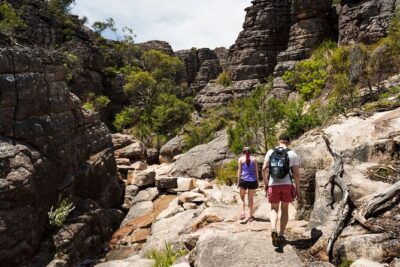
Grampians National Park Small-Group Eco Tour from Melbourne
Read our review →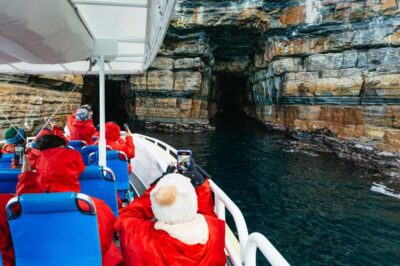
From Port Arthur: Tasman Island Wilderness Cruise
Read our review →
Blue Mountains National Park Tour with River Cruise
Read our review →
Port Arthur Full-day Guided Tour with Harbour Cruise and Tasman National Park
Read our review →
Grampians National Park Small-Group Eco Day Tour
Read our review →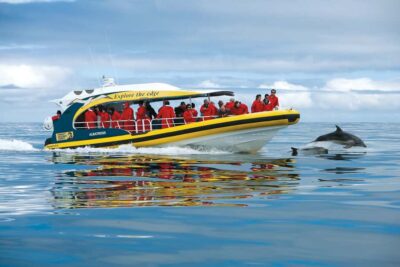
Bruny Island Wilderness Coast Eco Cruise with Lunch
Read our review →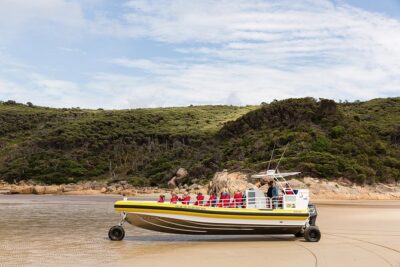
Wilsons Promontory Wilderness Cruise from Tidal River
Read our review →Browse the lists this tour appears in