
Reviewed · WILDLIFE PARK VISITS
Devils at Cradle: Day Keeper Tour and Entry to Wildlife Park
Tasmanian devils, up close, in the open air. I love the keeper-led walk that turns a quick visit into a real learning experience, and I also love the chance to see devils and their close relatives behave naturally in daylight. There is one catch to think about first: the sanctuary paths can be rough and uneven, so if mobility is an issue you will want to plan around that.
What makes this stop special is how practical it is. In about 45 minutes, you follow a guide through the sanctuary to understand how the Devils@Cradle operation works, then you have time to wander and watch what the animals do during the day. It can get loud, too, because Tasmanian devils really can scream, and that part feels very real out there.
If you hate cold weather or wet conditions, wear layers anyway. The tour runs rain or shine, and the sanctuary is outdoors, so warm clothing is not optional.
In This Review
- Key things to know before you go
- Cradle Mountain’s devil sanctuary, right at the park gate
- The 45-minute Day Keeper Tour, paced for real viewing
- Meet Tasmanian devils, plus quolls that share their world
- Why screaming devils are actually part of the story
- Devils@Cradle conservation programs, explained in plain terms
- Daytime viewing tips: what you might spot when you arrive
- Getting there: an easy add-on from Launceston
- What to wear and how to handle Tasmania weather
- Wheelchair access and practical movement around the sanctuary
- Price and value: $17 for entry plus a keeper tour
- Who this tour suits best, and who might want a different option
- Should you book the Devils at Cradle Day Keeper Tour?
Key things to know before you go
- 45-minute keeper tour with a live English guide focused on what devils need and how conservation helps
- Entry included so you can keep looking after the guided portion
- Three carnivorous marsupials on show: Tasmanian devils, spotted-tail quolls, and eastern quolls
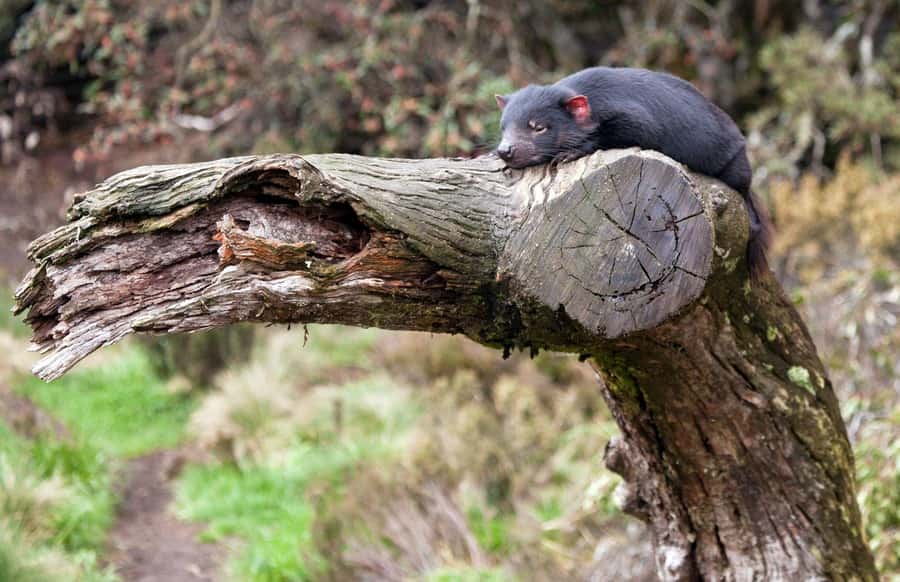
- Daytime animal viewing you can actually watch, like den sleeping, sun baking, play fighting, and foraging
- Screams in the wild feeling, because the animals can be vocal and active in daylight
- Warm clothing matters since you will walk outdoors in Tasmania, rain or shine
Cradle Mountain’s devil sanctuary, right at the park gate
Devils at Cradle sits right at the entrance to World Heritage listed Cradle Mountain National Park. That matters because you are not just visiting an exhibit tucked behind a building. You are stepping into a real sanctuary setting where the animals’ daytime rhythms are the main event. Even if you are only doing one short activity that day, this is the kind that makes your Tasmania trip feel focused and meaningful.
You will also get more than one animal type. Inside, you can see Tasmanian devils along with spotted-tail quolls and eastern quolls. That trio is handy for your planning because it keeps your attention from flagging, especially if you are going with kids or anyone who gets bored quickly. The animals may not be moving nonstop, but when they do, the behavior is fascinating.
And yes, it can be loud. If you are expecting a whisper-quiet nature stroll, rethink that. You will hear those devils, and that alone gives the whole experience extra weight.
More wildlife parks around Australia:
- Blue Mountains Adventure: Scenic World, Zoo & Koala Photo
★ 4.7 · 2,062 reviews - Brisbane River Cruise with entry to Lone Pine Koala Sanctuary
★ 4.5 · 1,522 reviews - Blue Mountains: Three Sisters, Scenic World and Wildlife park
★ 5.0 · 1,481 reviews
The 45-minute Day Keeper Tour, paced for real viewing
The core of this experience is a keeper-led walk that lasts about 45 minutes. That time window is long enough to get more than a quick overview, but short enough that it does not swallow your day. You follow your guide through the sanctuary grounds and viewing areas, learning how the facility operates and why the conservation work is so important for these threatened species.
During the tour, you are not stuck with a lecture. The route is built around you seeing animals in their daytime habits. Depending on what the animals are doing when you arrive, you may catch them sleeping in dens, sun baking, playing and roughhousing, or fossicking for food. Those behaviors are part of why this works so well. You get context, then you immediately see what that context looks like.
At the same time, the visit does keep moving. If you like to linger for long periods, plan to do some of that after the guided portion. You are given time to wander through the sanctuary on your own, so you can slow down and re-check the areas that held your attention most.
Meet Tasmanian devils, plus quolls that share their world
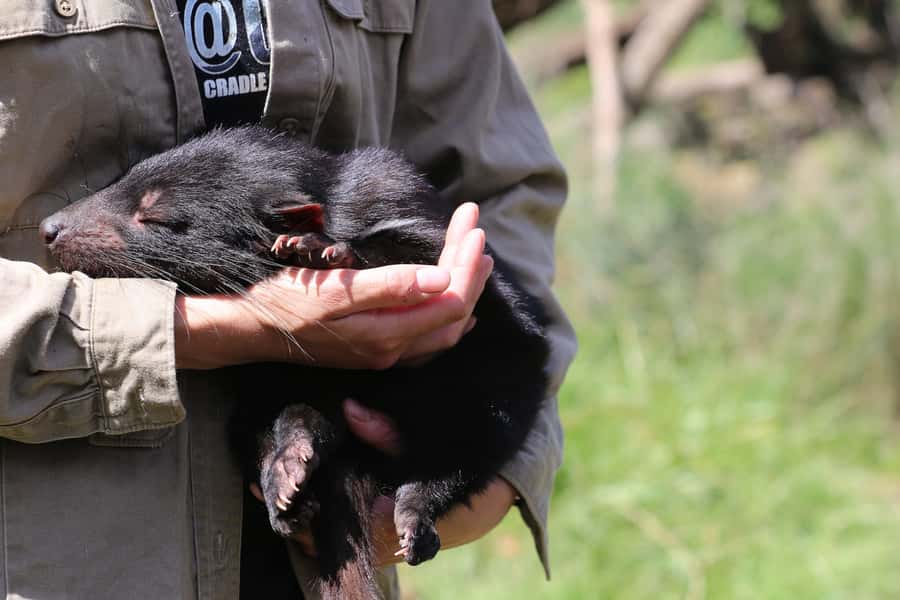
Tasmanian devils are the headline, but the supporting cast is what makes the visit feel complete. You get to see the closely related quolls, including spotted-tail and eastern quolls, which helps you understand the bigger ecosystem picture instead of treating the devils like an isolated curiosity.
Devils tend to be active in surprising bursts. Even when they look like they are just resting, there is usually a reason for it, and a keeper can explain what you are looking at. That shift matters. Once you understand how enclosures are arranged and how daily care supports these animals, your brain stops treating the sanctuary like a zoo and starts seeing it like conservation in action.
The quolls add variety, too. If the devils are asleep or tucked away when you arrive, the quolls often give you a different kind of viewing. The overall effect is that the sanctuary keeps paying off even if animals are having a quieter day.
If you are the type who wants your wildlife time to feel educational, this is a good match. The focus stays on what these animals do, why they are threatened, and what the facility is working to protect.
Why screaming devils are actually part of the story
Screams are not just a surprise, they are part of understanding the animals. Tasmanian devils can be vocal, especially when they are alert, interacting, or responding to what is going on around them. When you hear that sound in the sanctuary, it makes everything feel more real.
The best part is what happens right after. Your guide connects the noise and behavior to the broader picture of animal care and conservation. You learn why it matters that these animals can be monitored, protected, and supported through programs designed to help their survival. That is the theme you come away with, not just the shock factor of hearing a devil scream.
There is also a personal payoff here. If you have ever had a negative or skeptical attitude about devils, this kind of guided viewing can change how you see them. A lot of the value comes from replacing fear and stereotypes with understanding, one clear example at a time.
A few more Australia trips to compare
- From Melbourne: Great Ocean Road, 12 Apostles, Wildlife Tour
★ 4.7 · 6,020 reviews - Penguin Parade, & Wildlife Encounters Eco Tour from Melbourne
★ 5.0 · 3,774 reviews - Blue Mountain Small Group Scenic World, Wildlife, Waterfall
★ 4.8 · 3,428 reviews - Melbourne Great Ocean Rd Reverse Tour London Bridge Wildlife
★ 4.7 · 2,252 reviews
Devils@Cradle conservation programs, explained in plain terms
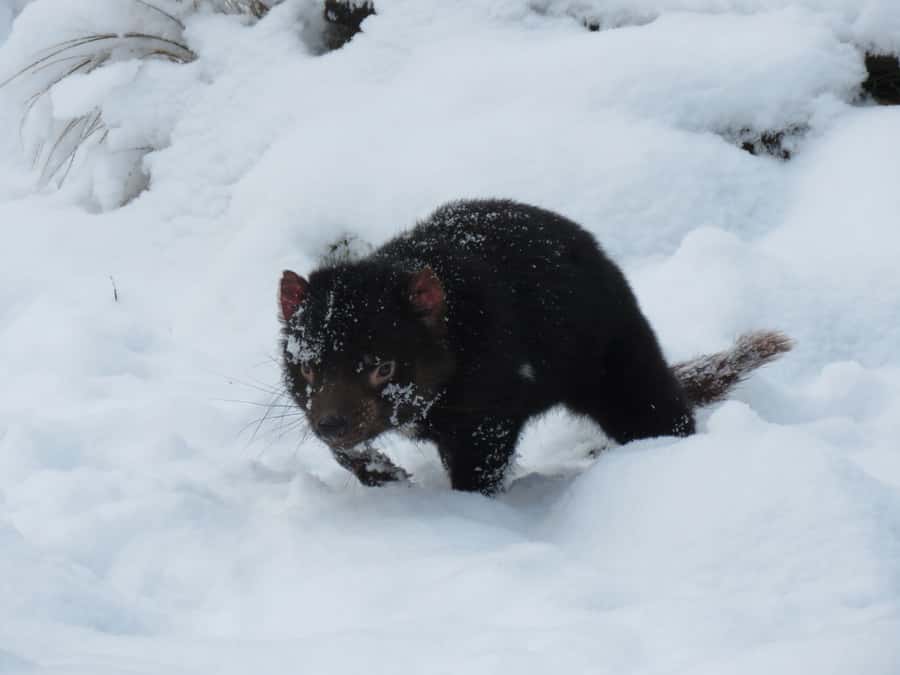
The tour is not just about seeing animals. It is about learning what the Devils@Cradle team is doing to help them. You learn how conservation programs matter for these threatened marsupials, and why caring for them in a sanctuary setting can support wider efforts.
Here is the practical meaning for you. By paying the entry fee and taking the keeper tour, you are funding work that focuses on survival in the real world, not just display for visitors. That is a big difference. It is also why this experience feels more worthwhile than a quick roadside stop.
You will hear about the challenges these animals face in the wild and the role the facility plays in conservation. The animals themselves give you the visual proof. The guide then gives you the why behind it.
If your travel style includes checking that attractions do something positive, this is the rare short activity that does. You leave with a better sense of the stakes, not only photos.
Daytime viewing tips: what you might spot when you arrive
This sanctuary is designed for daylight animal observation. The good news is that you are not waiting for a night tour to maybe see something. The tour includes time to observe how the devils and quolls behave during the day.
When you are walking through, keep your eyes open for these common daytime scenes:
- Den sleeping where you see them at rest and understand their resting routines
- Sun baking when heat and light drive their comfort and activity
- Play fighting which can look intense but is part of natural behavior
- Fossicking for food where you watch them investigate and forage
Your timing will influence what you see. At certain sessions the animals can look very active, at others they may be more subdued. That is normal wildlife behavior, even in a sanctuary.
If you want the best chance of seeing plenty of activity, dress warmly and stay patient. When the keeper explains what to look for, your viewing improves fast because you start noticing small cues like posture, movement, and how they react to surroundings.
Getting there: an easy add-on from Launceston
Devils at Cradle is about a two-hour drive from Launceston. That makes it a feasible day-trip add-on, especially if you are already building a Tasmania itinerary around Cradle Mountain.
Because the facility is at the entrance to Cradle Mountain National Park, it also plays nicely with other sightseeing. You can treat the sanctuary as your short anchor activity while you plan longer outdoor time around it.
The biggest planning point is simple: schedule your session so you are not rushing. You have a 45-minute guided tour, plus time to explore on your own. If you jam it between long drives without buffer, you might miss the best part, which is watching the animals calmly after the guide finishes.
What to wear and how to handle Tasmania weather
Bring warm clothing. This visit runs rain or shine, so even if the day looks clear in the morning, you should expect it to change.
The sanctuary ground is also not smooth and flat. You will find uneven terrain, steps, natural woodchip paths, platforms, and compacted gravel. That means comfortable shoes matter as much as warmth. You are walking outdoors for most of the experience, and you will move between viewing points.
If you are doing this with kids, keep their attention by letting them hear the screams, then asking them to look for the animal afterward. If you do not, it can feel like sound without a payoff.
And if you have cameras, bring them. Lighting can vary outdoors, so being ready helps you capture what you see when an animal finally becomes active.
Wheelchair access and practical movement around the sanctuary
Wheelchair access is available, but it is not a smooth, fully accessible walk all the way through. Access is via reception to the main viewing deck, or you can use a side gate that leads directly into the sanctuary grounds.
That said, the sanctuary includes uneven ground, steps, and natural path materials. Not all parts can be made wheelchair accessible, but staff can be flexible and accommodate most requests with prior organisation.
If wheelchair access is a key need for your group, plan ahead. Ask what parts of the route you can expect to reach. That small bit of planning helps you avoid disappointment once you arrive.
Price and value: $17 for entry plus a keeper tour
At $17 per person, this is one of the more budget-friendly ways to get guided wildlife education in Tasmania. The price includes general entry tickets and a guided keeper tour, plus free parking at the sanctuary.
That combo is the value story. Many attractions charge separately for guided components, and the guidance often ends up as a short talk with limited viewing. Here you get both the guided segment and access to explore the sanctuary, which stretches your time on-site without stretching your wallet.
For short-trip travelers, the 45-minute format also helps. You can pay for one focused experience instead of cobbling together multiple small stops that do not connect thematically.
If you care about conservation, this is even better value because your ticket directly supports the facility’s work with devils and their related threatened marsupials.
Who this tour suits best, and who might want a different option
This experience fits best if you want a short, meaningful wildlife encounter. It is ideal for families who can handle outdoor walking in cool weather, and for adults who want facts tied to what they see, not just animal photos.
It is also a good option if you are limited on time. The 45 minutes guided portion is clear and manageable. Then you can keep exploring at your pace.
Two considerations can steer you toward a different plan. First, the sanctuary is outdoors and operates in rain or shine, so if you hate cold and wet walks, plan clothing carefully. Second, unaccompanied minors are not allowed, so plan adult supervision accordingly.
If you are looking for a hands-on animal experience, this tour is more about observation and education than direct interaction. Still, the close viewing and the keeper-led explanations make it feel personal in a different way.
Should you book the Devils at Cradle Day Keeper Tour?
I think you should book this tour if you want a compact day in Tasmania that connects wildlife viewing with conservation in a way that makes sense. The keeper-led format is the big win, because it changes your visit from looking at animals to understanding why these animals are threatened and what the sanctuary is doing about it.
If you are flexible on weather and you wear warm layers, it is a strong value at $17, especially because entry and free parking are included. It is also a smart add-on if you are already near Cradle Mountain, since the drive from Launceston puts it within reach for a day trip.
If you have mobility challenges, reach out early and plan around the uneven paths. Wheelchair access is possible, but not every part will be the same.
If you want one sure thing that brings Tasmania devils into focus, this is one of them.
Newest Australia reviews on the site
- Airlie Coastal Beach Adventures – Dingo Beach & Cape Gloucester★ 5.0 · 27 reviews
- Airlie Waterfalls & Rainforest Bushwalk Eco Adventure★ 5.0 · 23 reviews
- Airlie Beach Sightseeing Explorer- 3 hr Snaphots & highlights★ 5.0 · 33 reviews
- Whitsundays Day Cruise: Whitehaven Beach & Hill Inlet★ 5.0 · 274 reviews
- One Way Airport Transfer: Proserpine-Airlie Beach (or vice versa)★ 4.5 · 63 reviews
- Bowen Beaches Discovery-Top of the Whitsundays★ 5.0 · 40 reviews
- British Defender 3D2N Whitsunday Snorkelling Sailing Adventure★ 5.0 · 30 reviews
- Airlie Beach Jet Ski Safari (1 Hour)★ 4.5 · 257 reviews
Wildlife Park Visits, compared.
Blue Mountains Adventure: Scenic World, Zoo & Koala Photo
Read our review →
Brisbane River Cruise with entry to Lone Pine Koala Sanctuary
Read our review →
Blue Mountains: Three Sisters, Scenic World and Wildlife park
Read our review →
Brisbane River Cruise and Koala Sanctuary Visit
Read our review →
Puffing Billy & Healesville Sanctuary Scenic Tour
Read our review →
Phillip Island Penguin and Koala Highlights Day-Trip from Melbourne
Read our review →
Day Tour in Mt. Field, Mt. Wellington, Bonorong Wildlife Sanctuary and Richmond
Read our review →
Full-Day Phillip Island Tour with Kangaroo, Koala and Penguin Parade
Read our review →Browse the lists this tour appears in