
Reviewed · WILDLIFE PARK VISITS
Byron Bay Wildlife Sanctuary Entry Ticket
Koalas, right beside you in rainforest air. Byron Bay Wildlife Sanctuary turns a simple ticket into a full day of native wildlife viewing, keeper-led presentations, and the Free Flight Birds show, all set in a lush subtropical rainforest pocket of Byron Bay. Koalas and Free Flight Birds are the kind of combos that make you stop scrolling and just watch.
I like this place for two clear reasons: the included kangaroo and emu feeding experience, and the chance to see a lot of Australian species in one visit, including the bird aviary and the reptile house. The keeper team connects what you see to real wildlife conservation work, including rescue and rehabilitation. One drawback to plan around: it is not suitable for people with animal allergies, and you will be outdoors a fair bit, so bring what you need for sun, insects, and comfortable walking.
In This Review
- Key Things That Make This Ticket Worth Your Day
- First Stop: Park Entry, Wristband, and How to Start Smart
- Keeper Talks: Where the Learning Actually Sticks
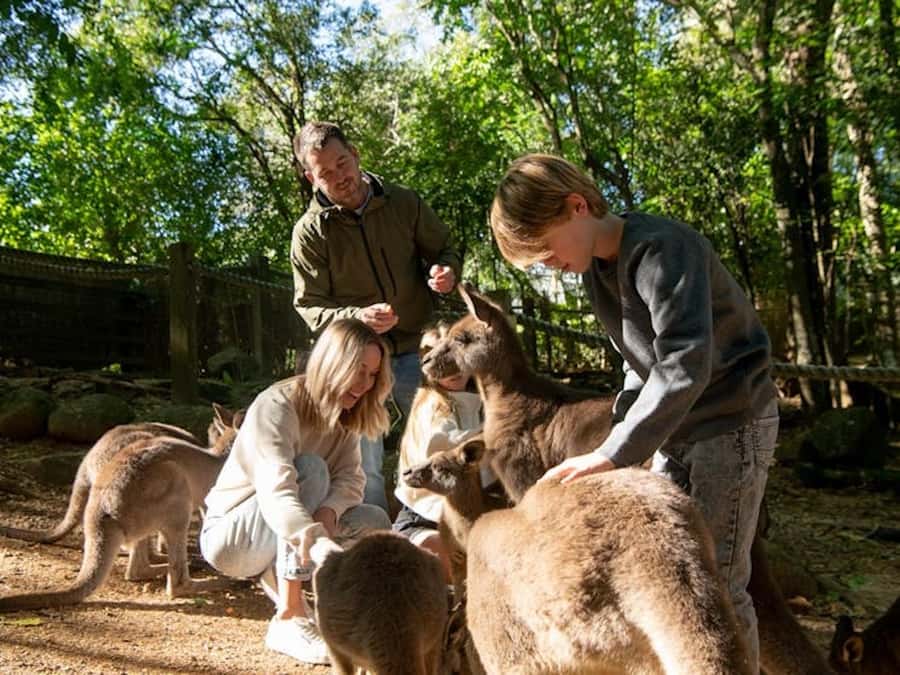
- Kangaroos and Emus: The Included Feeding Experience
- Bird Aviaries and the Free Flight Birds Show
- Koalas, Sugar Gliders, and Other Aussie Stars
- Reptile House: Snakes, Lizards, and Ecosystem Reasoning
- Scenic Walks, Picnic Areas, and Using the BBQ Facilities
- VIP Encounters and Separate Experiences: Optional, Not Required
- Family-Friendly Perks for Kids (and the Adults Who Carry Them)
- What to Bring and What Rules You Must Follow
- Value Check: Is $20 Per Person a Smart Deal?
- Should You Book This Ticket?
- FAQ
- How much is the Byron Bay Wildlife Sanctuary entry ticket?
- What is included with the ticket?
- How long is the experience?
- Where do I meet or check in?
- Is there a group size limit?
- Is it wheelchair accessible, and what should I bring?
Key Things That Make This Ticket Worth Your Day
- Small group experience with a limited group size of 4, so the day feels more personal than a big bus tour.
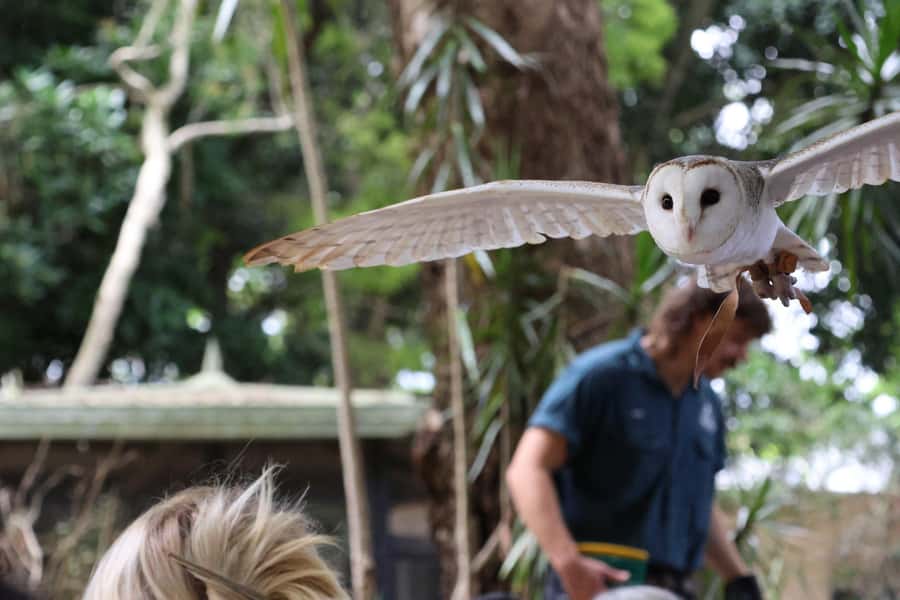
- Free Flight Birds show plus bird aviaries where rainbow lorikeets, cockatoos, and other native birds fly around.
- Keeper talks and feeding sessions that focus on behavior, habitat, and conservation, not just show-and-tell.
- Big animal variety in one location, from koalas and kangaroos to reptiles and emus.
- A real break built in, with picnic areas, BBQ facilities, and an on-site café when you want a pause.
- Family-friendly setup, including a kids play area and practical facilities like stroller access and changing areas.
First Stop: Park Entry, Wristband, and How to Start Smart
Your day begins at Park Entry. Validate your ticket and get your wristband. That wristband matters because it links you to everything included: exhibits, talks, and the Free Flight Birds show.
This is a small group activity (limited to 4). That smaller size is more than a comfort perk. It usually means you get clearer guidance and easier flow around popular animal areas. The host or greeter is English-speaking, which helps if you want quick answers as you move between enclosures.
My practical tip: arrive early. The park tells you this so you can make the most of the schedule. Early arrival also helps if it is hot or rainy, because you can start with the indoor parts or the first keeper talk before you feel rushed.
More wildlife parks around Australia:
- Blue Mountains Adventure: Scenic World, Zoo & Koala Photo
★ 4.7 · 2,062 reviews - Brisbane River Cruise with entry to Lone Pine Koala Sanctuary
★ 4.5 · 1,522 reviews - Blue Mountains: Three Sisters, Scenic World and Wildlife park
★ 5.0 · 1,481 reviews
Keeper Talks: Where the Learning Actually Sticks
The standout here is the keeper team’s role throughout the day. You are not just looking at animals behind glass. You are hearing explanations during interactive feeding sessions and presentations. Expect talks about animal behaviors, habitats, and the sanctuary’s conservation efforts.
That matters because wildlife here is not just entertainment. The sanctuary plays a key role in wildlife rescue, rehabilitation, and conservation. When a keeper explains why a certain species needs a particular habitat or what rescue work looks like, you start noticing details you might otherwise miss, like how animals respond to their environment or how feeding supports their care routines.
You also get eco-education messaging through the sanctuary’s programs. They run for school excursions, workshops, and guided tours, all tied to sustainable practices and wildlife conservation. Even if you are not a student at heart, you will likely leave with clearer context for why these animals matter beyond their cuteness factor.
Kangaroos and Emus: The Included Feeding Experience
One of the best values in this ticket is the included kangaroo and emu feeding experience. It is a hands-on moment, guided by the sanctuary team, and it gives you a closer look at two iconic Australian animals that most people only see in distant zoos or photos.
A few practical points to make this smoother:
- Wear comfortable shoes, because you will move around the grounds to get to the right viewing spots.
- Bring water and plan for sun. The park specifically suggests a hat and sunscreen, which tells you the weather can be a big deal.
- Follow the rules: feeding animals is not allowed outside the designated experiences, so stick to what the staff guides you to.
I like this part because it is not random. You see the animals up close and you get the keeper context, so it feels like an educational encounter, not just a photo op.
Bird Aviaries and the Free Flight Birds Show
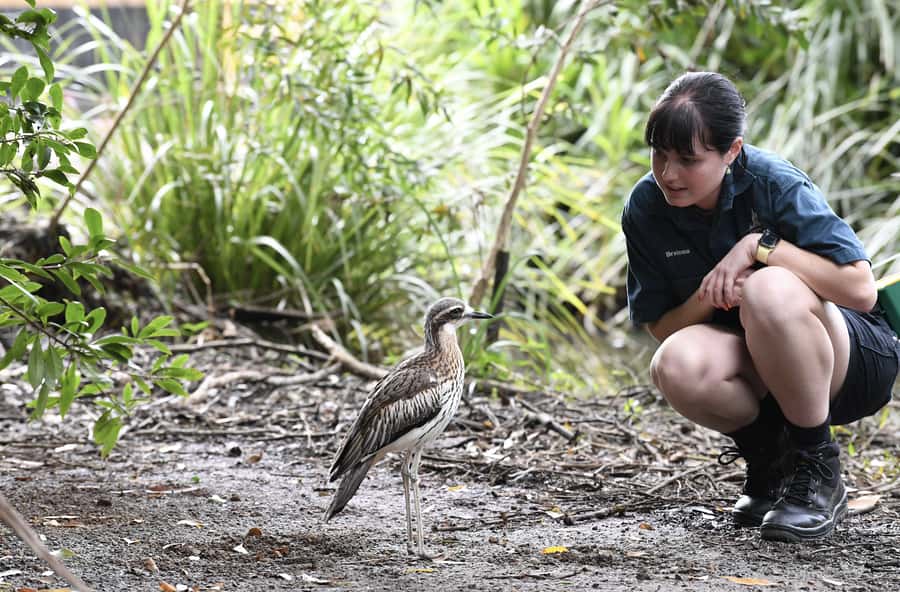
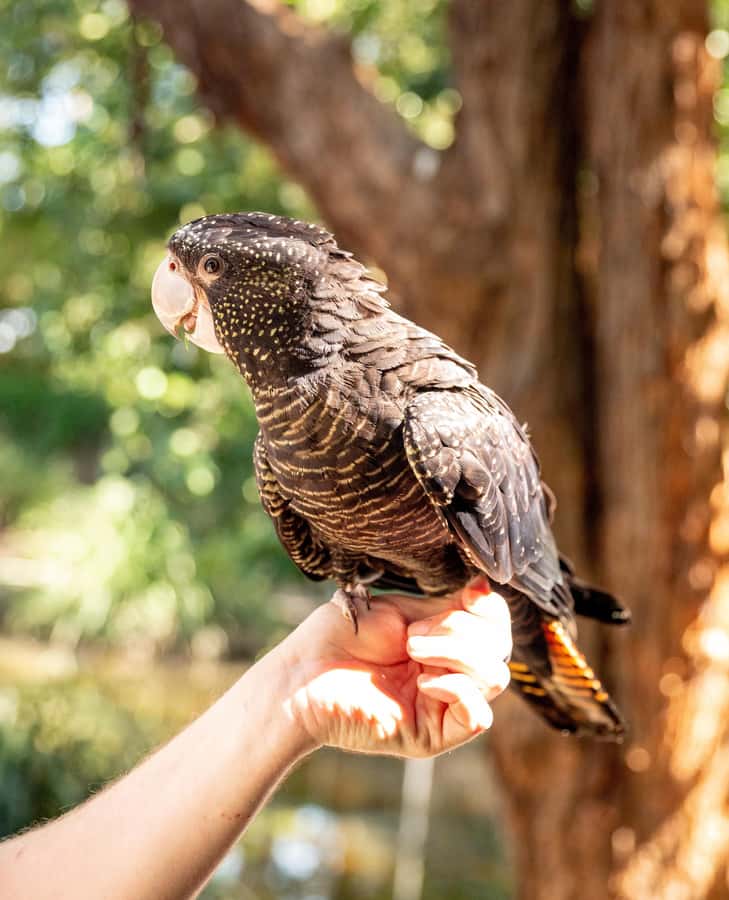
Birds are where the sanctuary gets especially lively. You will explore the bird aviaries, where colorful native species like rainbow lorikeets, cockatoos, and Australian parrots fly around freely. That free-flying setup changes the whole feel of bird viewing. Instead of only spotting birds through railings, you get movement, sound, and that sense that the enclosure is the birds’ real space.
Then there is the Free Flight Birds show. You get this as part of the ticket, which is a big deal for value. Shows like this often cost extra at other wildlife attractions, so consider it a meaningful inclusion rather than a bonus.
Timing matters because you will want to catch the show when you still have energy to enjoy it. The park tells you the ticket is valid for 1 day and you should check starting times. So treat your day like a menu: prioritize the show and the included feeding sessions, then fill in the rest.
Also, bring your camera. The birds are active, and the show plus aviary time gives you multiple chances to capture different angles.
A few more Australia trips to compare
- From Melbourne: Great Ocean Road, 12 Apostles, Wildlife Tour
★ 4.7 · 6,020 reviews - Penguin Parade, & Wildlife Encounters Eco Tour from Melbourne
★ 5.0 · 3,774 reviews - Blue Mountain Small Group Scenic World, Wildlife, Waterfall
★ 4.8 · 3,428 reviews - Melbourne Great Ocean Rd Reverse Tour London Bridge Wildlife
★ 4.7 · 2,252 reviews
Koalas, Sugar Gliders, and Other Aussie Stars
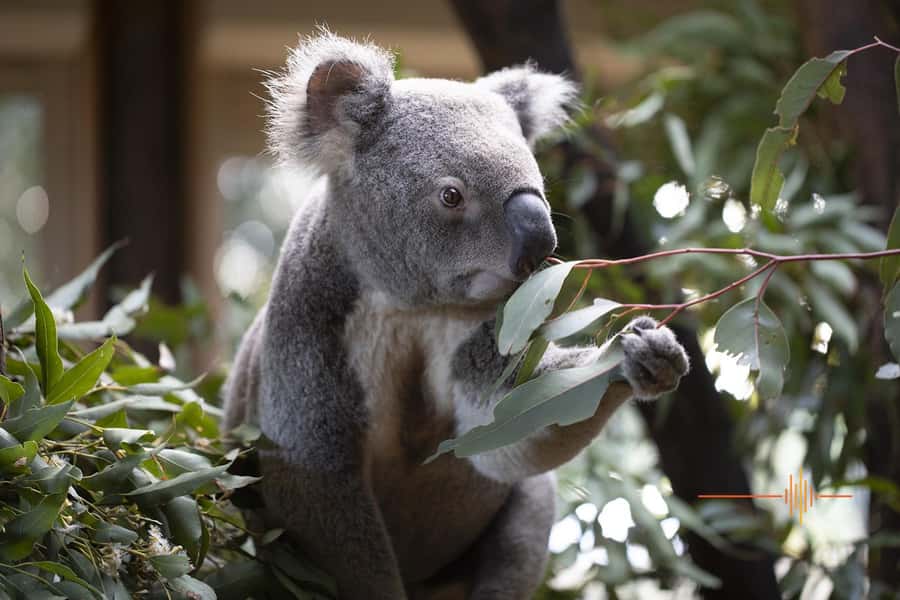
The sanctuary is built around getting up close with native Australian animals. Based on what you will find on site, plan on seeing koalas, kangaroos, emus, wombats, and sugar gliders, plus a range of other creatures in exhibits.
One key note: interactive experiences for some animals can be separate add-ons. The information you have says specific animal experiences like reptile, sugar gliders, or owls must be purchased separately and are subject to availability. That means your standard ticket gives you access to all animal exhibits and talks, but the extra hands-on encounters might require additional booking once you are there.
So how do you handle that without stressing? I suggest you treat the main exhibits as your foundation, then ask the staff what add-ons are available during your visit. That keeps your day flexible and helps you avoid planning around something that might sell out or be unavailable.
If you love wildlife variety, this is a strong pick. You can move from mammals to birds to reptiles and still keep the day coherent because the keepers connect the dots.
Reptile House: Snakes, Lizards, and Ecosystem Reasoning
The Reptile House is where you shift gears from cuddly marsupials to Australia’s tougher characters: snakes and lizards. The good news is you are not left to guess. Expert guides provide educational talks so you understand these creatures in Australia’s ecosystems.
That is the difference between seeing reptiles and learning from reptiles. When you know how they fit into local food chains and habitat needs, you feel less fear and more respect. The sanctuary’s approach is also aligned with conservation messaging, since understanding species is usually the first step toward protecting them.
Practical tip: reptiles may require calmer viewing and patient waiting for activity. If you are the type who wants constant motion, just know you might have quiet moments. Bring your camera, but expect some pauses, and take advantage of the guide’s explanations while you have them.
Scenic Walks, Picnic Areas, and Using the BBQ Facilities
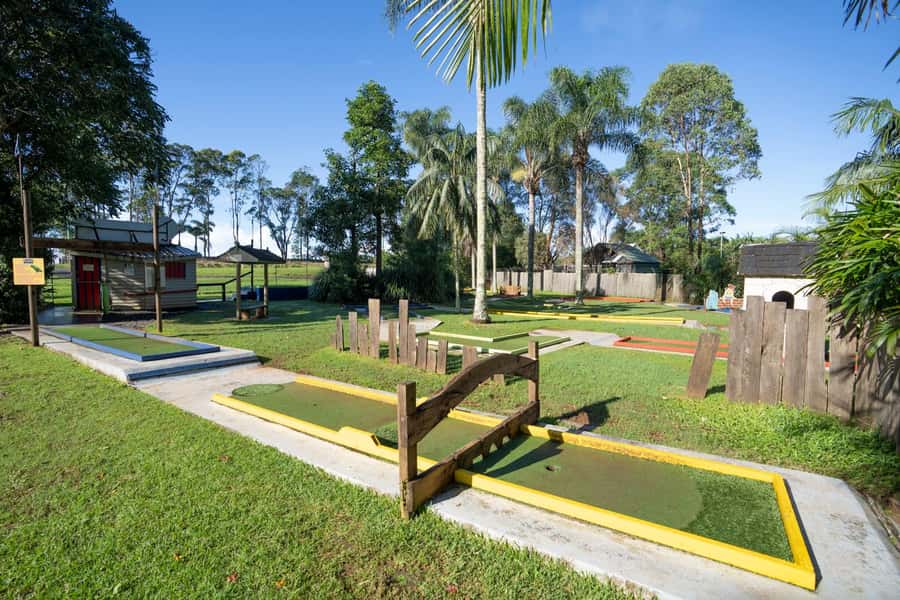
Between animal zones, you get space to breathe. The park offers scenic walks and picnic areas, plus BBQ facilities for visitors. There is also an on-site café serving local and sustainable food options with outdoor seating, so you are not stuck deciding between starvation and fast food.
Because food and drinks are not included with the ticket, I recommend you plan lunch. You can either buy something at the café or bring your own. Either way, use the picnic spots to recharge, because you will likely want energy for later shows and talks.
My favorite way to use the breaks here is to step off the main exhibit circuit for 20 minutes. You get a quieter moment in the subtropical setting, and it makes the second half of the day feel less like a checklist.
VIP Encounters and Separate Experiences: Optional, Not Required
VIP animal encounters are popular. The idea is simple: you spend extra time with your favorite creatures under the supervision of a knowledgeable guide. That is attractive if you want more focused interaction or if there is one animal you really want to see up close.
Just keep expectations grounded. The ticket you are reviewing includes entry, animal exhibits and talks, the Free Flight Birds show, and the kangaroo and emu feeding experience. Specific animal experiences like reptiles, sugar gliders, or owls are purchased separately and are subject to availability.
So I see this as a smart add-on system. You can do the full base day without paying again. If you still want more, you can build on it based on what is available that day.
Family-Friendly Perks for Kids (and the Adults Who Carry Them)
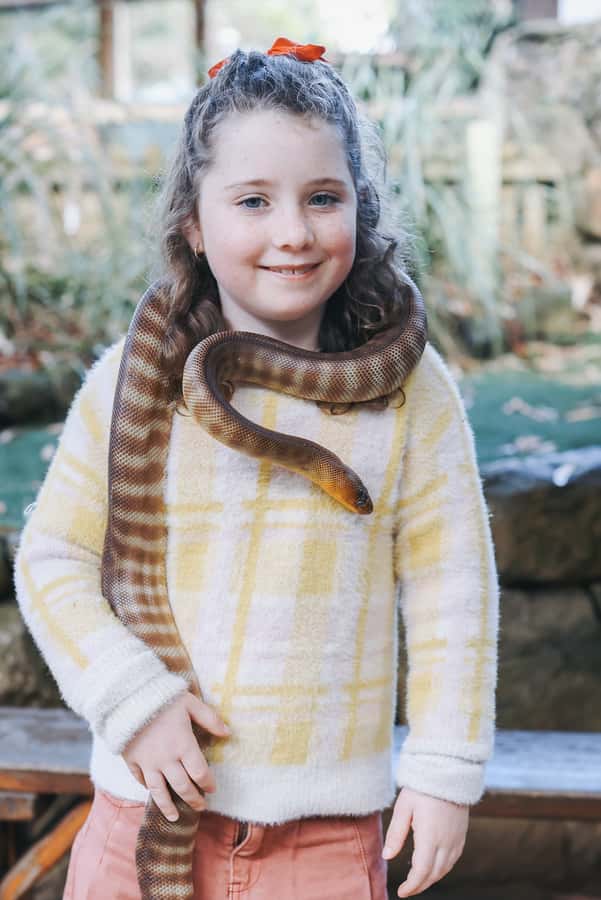
If you are visiting with kids, the sanctuary makes life easier. There is a well-equipped children’s play area themed around Australian wildlife. It includes educational and recreational activities meant to entertain kids while fostering a connection to nature.
On the practical side, you get stroller access and changing areas. That sounds small on paper, but on a day with walking and outdoor time, it can save you from a lot of stress.
One more detail I like: the sanctuary is linked to eco-education programs like school excursions and workshops. So the day does not feel like a random zoo trip. It feels like a place that expects families to learn something.
What to Bring and What Rules You Must Follow
This is an outdoor day, so pack like you mean it. The sanctuary specifically recommends:
- Comfortable shoes
- Hat
- Camera
- Sunscreen
- Water
- Insect repellent
- Weather-appropriate clothing
Also note what is not allowed:
- Smoking
- Feeding animals
Those rules are normal, but they are worth remembering because feeding animals is prohibited except in the designated included experiences. So if you are tempted to hand out snacks for photos, do yourself a favor and skip it.
Finally, the sanctuary states it is not suitable for people with animal allergies. If that applies to you or someone in your group, it is best to plan an alternative visit.
Value Check: Is $20 Per Person a Smart Deal?
At $20 per person for a 1-day entry ticket, the value comes from how much you get for that price. The included items are not just “access to a couple exhibits.” You get:
- Entry to the sanctuary
- Access to all animal exhibits and talks
- The Free Flight Birds show
- Kanagroo and Emu feeding experience
- Use of picnic areas and BBQ facilities
- Playground access
- On-site parking
And then there is the behind-the-scenes benefit: the keeper talks. Talks turn animal viewing into something more meaningful. Instead of running from one pen to the next, you can slow down and understand what you are seeing.
Where you might spend more money is optional. Specific animal experiences like reptile, sugar gliders, or owls are separate and subject to availability. If you go in knowing that, you can decide on the spot whether you want to pay for extra encounters.
For most people, I think the base ticket already covers a full day and gives you the best “big hitters” without extra fees.
Should You Book This Ticket?
Book Byron Bay Wildlife Sanctuary if you want a calm, close-up wildlife day with keeper-led education and a real included show. This is especially good if:
- You love native Australian animals like koalas, kangaroos, and emus
- You want birds to be a big part of your visit (aviaries plus the Free Flight Birds show)
- You like learning about conservation, rescue, and rehabilitation while you watch animals
Skip or reconsider if:
- Anyone in your group has animal allergies
- You want a strictly self-guided, no-wait, no-talk day. Here, the schedule and keeper interactions are part of the point.
If you like your wildlife trips thoughtful and practical, this ticket is easy to justify. Pay $20, plan for sun and walking, and you’ll leave with both great animal memories and a better sense of why the sanctuary does the work it does.
FAQ
How much is the Byron Bay Wildlife Sanctuary entry ticket?
It costs $20 per person.
What is included with the ticket?
The ticket includes entry to Byron Bay Wildlife Sanctuary, access to all animal exhibits and talks, the Free Flight Birds show, use of picnic areas and BBQ facilities, playground access, the kangaroo and emu feeding experience, and on-site parking.
How long is the experience?
The ticket is valid for 1 day. You should check availability for starting times.
Where do I meet or check in?
Please report to Park Entry to validate your ticket and get your wrist band for entry.
Is there a group size limit?
Yes. The activity is a small group limited to 4 participants.
Is it wheelchair accessible, and what should I bring?
It is wheelchair accessible. Bring comfortable shoes, a hat, camera, sunscreen, water, insect repellent, and weather-appropriate clothing. Smoking and feeding animals are not allowed.
Newest Australia reviews on the site
- Airlie Coastal Beach Adventures – Dingo Beach & Cape Gloucester★ 5.0 · 27 reviews
- Airlie Waterfalls & Rainforest Bushwalk Eco Adventure★ 5.0 · 23 reviews
- Airlie Beach Sightseeing Explorer- 3 hr Snaphots & highlights★ 5.0 · 33 reviews
- Whitsundays Day Cruise: Whitehaven Beach & Hill Inlet★ 5.0 · 274 reviews
- One Way Airport Transfer: Proserpine-Airlie Beach (or vice versa)★ 4.5 · 63 reviews
- Bowen Beaches Discovery-Top of the Whitsundays★ 5.0 · 40 reviews
- British Defender 3D2N Whitsunday Snorkelling Sailing Adventure★ 5.0 · 30 reviews
- Airlie Beach Jet Ski Safari (1 Hour)★ 4.5 · 257 reviews
Wildlife Park Visits, compared.
Blue Mountains Adventure: Scenic World, Zoo & Koala Photo
Read our review →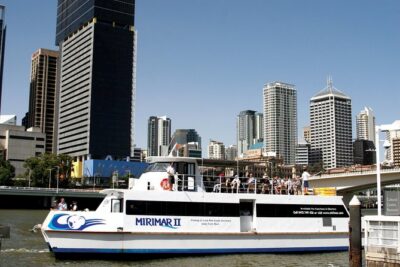
Brisbane River Cruise with entry to Lone Pine Koala Sanctuary
Read our review →
Blue Mountains: Three Sisters, Scenic World and Wildlife park
Read our review →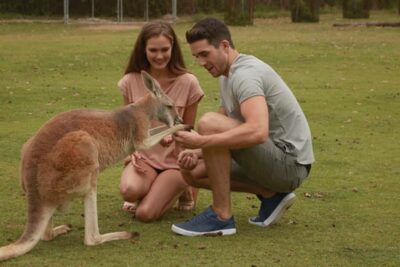
Brisbane River Cruise and Koala Sanctuary Visit
Read our review →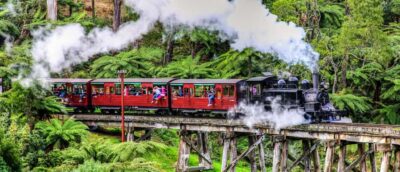
Puffing Billy & Healesville Sanctuary Scenic Tour
Read our review →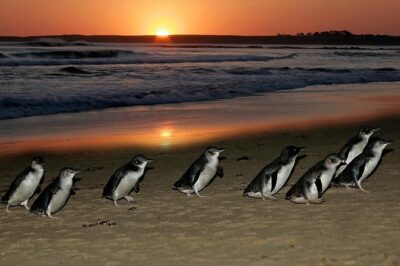
Phillip Island Penguin and Koala Highlights Day-Trip from Melbourne
Read our review →
Day Tour in Mt. Field, Mt. Wellington, Bonorong Wildlife Sanctuary and Richmond
Read our review →
Full-Day Phillip Island Tour with Kangaroo, Koala and Penguin Parade
Read our review →Browse the lists this tour appears in