
Reviewed · WHALE WATCHING
Byron Bay Whale Watching with Marine Biologist
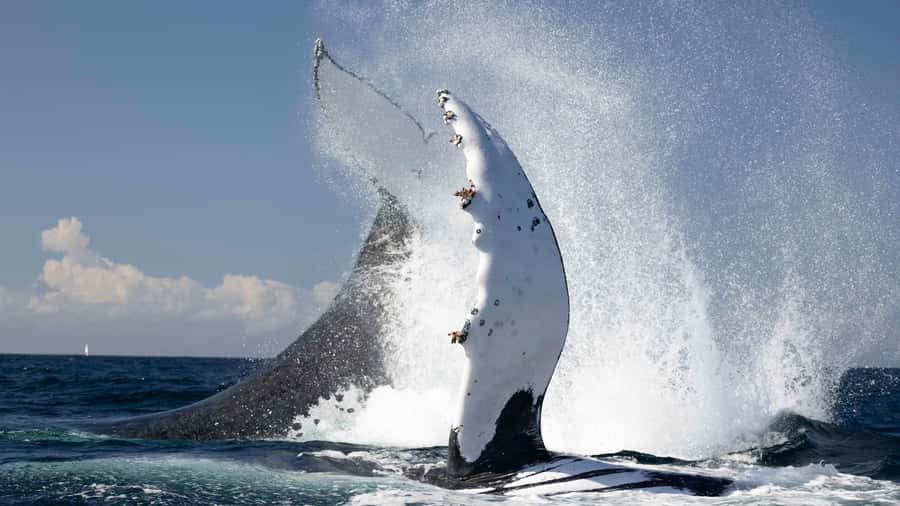
Humpbacks, right up close. This small-group cruise on the Wardjam gets you out from Brunswick Heads toward Byron Bay during migration season, with a marine biologist on board and an onboard hydrophone for whale song. I especially like the intimate size, plus the way the boat platform stays steady enough to enjoy the views. One thing to think about first, though, is that the tour is weather and sea dependent, and it is not a good fit if you are prone to seasickness.
What makes this outing feel special is the mix of action and learning. You cruise along the coast where humpbacks can swim nearer to shore, then you get real context on what you are seeing, including behavior and what to listen for through the hydrophone. The main drawback is simple timing and comfort: longer waits can happen in wild weather, and the seating setup can be a little tricky for shorter passengers during choppier moments.
In This Review
- Key things to know before you go
- Getting onboard: Brunswick Heads, the Wardjam, and the small-group feel
- The ride to Byron Bay: fast, stable, and designed for spotting
- Humpback whale sightings: what “up close” can realistically feel like
- The hydrophone and whale song: turning your ears into a whale-watching tool
- Learning from the marine biologist: what you gain beyond the sighting
- Wildlife to watch for: dolphins, turtles, birds, and possible other whales
- Price and value: is $91 worth it?
- What to bring and wear: simple gear that makes the difference
- Weather, seasickness, and suitability: who should book and who should skip
- Sunset vs afternoon timing: planning around whale mood
- Should you book the Blue Seafaris humpback cruise?
- FAQ
- How long is the Byron Bay whale watching tour?
- Where do I meet for the tour?
- What boat will I be on?
- What is included in the price?
- Is food or drinks included?
- What should I bring with me?
- What animals might I see besides humpback whales?
- What happens if weather or sea conditions are not suitable?
Key things to know before you go
- Small-group boat ride on the Wardjam with seating for about 12 guests
- Hydrophone whale song so you can hear what is happening under the surface
- Rigid inflatable, suspension seating for a fast ride with comfort focused on stability
- Marine biologist interpretation to help you spot behavior, not just size
- Wildlife spotting beyond whales like dolphins, turtles, migratory birds, and possible other whales
Getting onboard: Brunswick Heads, the Wardjam, and the small-group feel
Your day starts at Blue Seafaris in Brunswick Heads. Drive into the boat harbor area, look for the Blue Seafaris flag, then park at one of the nearby car parks and follow the check-in instructions from your confirmation email. It is a straightforward setup, and it matters because whale watching is all about being on the water at the right time.
The boat is a Rigid inflatable called the Wardjam. With only around 12 guests, you are not shuffling through a packed deck. That small group size tends to make a difference when whales show up. People can actually watch instead of craning around strangers, and the marine biologist can keep the explanation clear without repeating everything a dozen times.
You also get a waterproof poncho included. That is one of those “small details” that turns into a big deal out on the water. Even on a bright day, sea spray and wind can make you feel colder than you expect, especially when you stop moving to search.
More whale watching from Byron Bay:
- Premier Whale Watching Byron Bay
★ 5.0 · 413 reviews - Byron Bay: Whale Watching Cruise with a Marine Biologist
★ 4.8 · 261 reviews - Sydney: Whale Watching Adventure Cruise
★ 4.2 · 1,790 reviews
The ride to Byron Bay: fast, stable, and designed for spotting
Once everyone is onboard, you head out along the coast toward Byron Bay. The goal is to find humpbacks as they migrate to warmer waters, and the timing of migration is exactly why this area is so popular.
The ride is fast. That is part of the value, because whale sightings can be spotty. You want a boat that can cover distance without beating you up. The Wardjam uses suspension seating, and that helps you stay focused on what is outside the windshield, not on bouncing in your seat.
This route also gives you chances to see other marine life while you search. The cruise is set up as more than a single long wait. You are moving, scanning, and adjusting, which increases your odds of seeing dolphins, turtles, and seabirds even if the whales are not cooperating right away.
One practical note from the experience side of this kind of trip: if the sea gets noticeably choppy, even a stable RIB can feel like a ride. You are not likely to forget it quickly. If you are on the fence about motion, take that seriously and follow the guidance that the tour is not suitable for people prone to seasickness.
Humpback whale sightings: what “up close” can realistically feel like
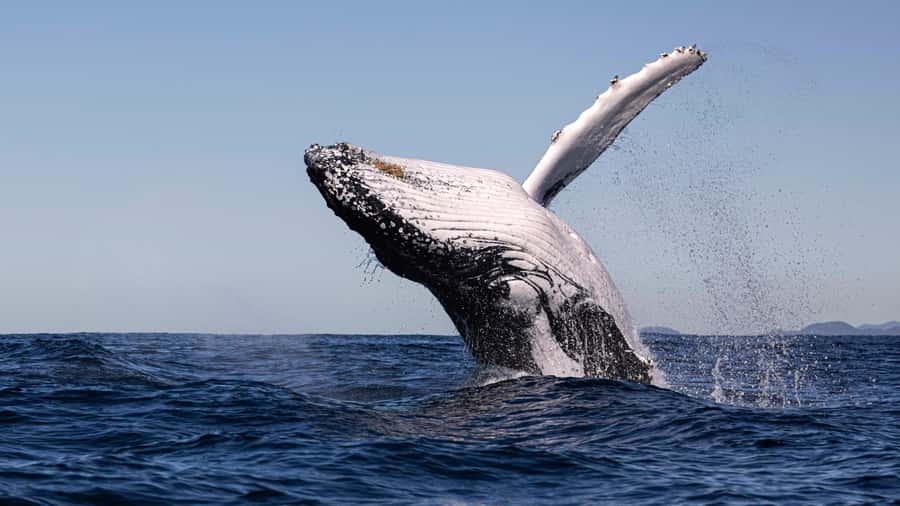
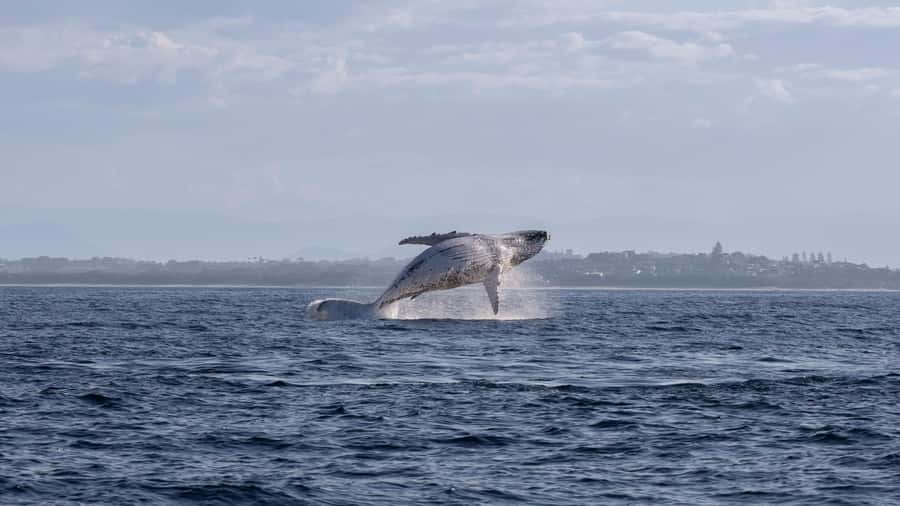
When humpbacks show up, you get that rare feeling of scale. Even without any promise of a specific behavior, humpback migration in this region often brings whales closer to shore than you would expect. On this kind of cruise, that can mean moments where the whales are close enough to see body movement clearly, not just spouts and distant backs.
The best part is that you are not relying on sight alone. You are listening through the hydrophone, which is a big reason this cruise stands out from the usual “spot and stare” style tours. Whale song carries over water, and hearing it while you look for what is happening gives your brain something to connect.
If you go during the afternoon, just be aware that activity can vary by time of day. One booking found that a later departure felt like the whales may have been settling down for the night. The whales were still a highlight, but it is a good reminder that whale behavior is not on a schedule, and the sea always decides a lot of the story.
Also plan for the possibility of a longer overall outing than the 150 minutes of active cruise time. For example, one experience described being on the water for about three hours in total. That is not something you can count on, but it is wise to keep your plans flexible around departure and return.
The hydrophone and whale song: turning your ears into a whale-watching tool
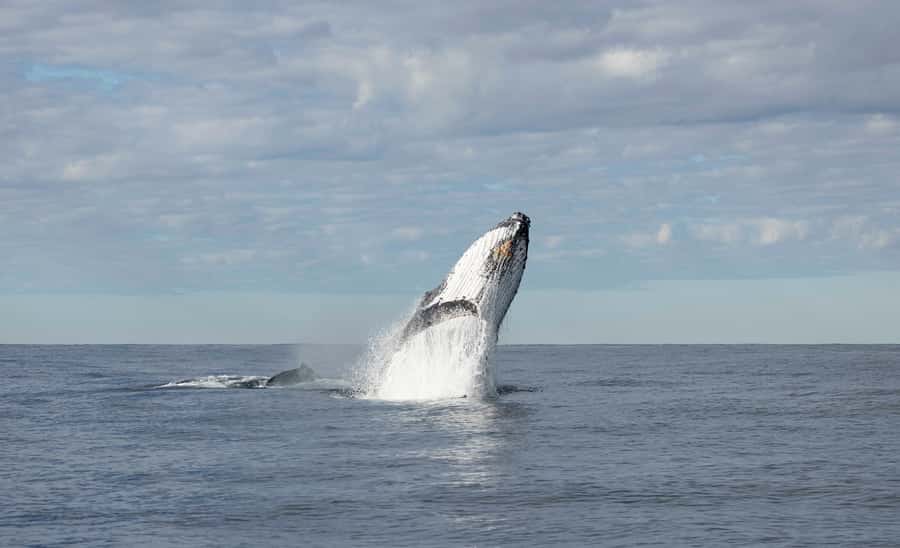
The hydrophone is the “aha” feature here. Instead of watching from a distance and hoping you notice a pattern, you can actually hear the whale sounds while you are on the water. That turns the experience from visuals only into a full sensory event.
In a practical sense, this also helps you understand what you are seeing. Humpback whales use sound in a range of ways, and hearing it in the moment gives you a way to focus your attention. When the marine biologist calls something out, you are not just guessing what they mean. You can match explanation to sound.
The hydrophone matters most when conditions are calm enough for you to hear clearly. If it is windy or noisy, the audio may be harder to make out. Still, even when it is not perfect, having that extra channel of information makes the trip feel more guided and less random.
A few more Byron Bay trips to compare
- Byron Bay: The Byron Bay Sea Kayak Tour
★ 4.6 · 1,207 reviews - Byron Bay: 2-Hour Small Group Surf Lesson
★ 4.8 · 657 reviews - Byron Bay: Glowworms, Waterfalls & Rainforest Experience
★ 4.8 · 497 reviews - Glow-worms, Waterfalls & Rainforest Experience
★ 5.0 · 459 reviews
Learning from the marine biologist: what you gain beyond the sighting
The standout value here is the marine biologist guide. You are not just on a boat looking for whales, you are getting behavior and context in real time. That is what makes your viewing time more satisfying, because you start noticing details.
You will learn more about humpback behavior and what to look for during migration. That includes understanding how whales move, how they may interact with the water surface, and what the sounds likely connect to. When you have that background, a quick surfacing or a slow drift becomes a story, not just a brief appearance.
On top of the science, the guide also keeps the cruise engaging. One booking specifically mentioned Scott and his team as amazing and informative, with multiple whale sightings plus dolphins. That is exactly the kind of energy you want on a small boat: calm guidance, clear scanning, and an explanation that makes sense while you are watching.
If you are the type who loves facts, this is a strong match. If you just want memorable moments, it still works, because the science is folded into the search instead of being a lecture while everyone stares at a slide.
Wildlife to watch for: dolphins, turtles, birds, and possible other whales
Even though humpbacks are the main target, you get regular opportunities to spot other wildlife. Keep your eyes open for:
- Dolphins, which often travel with the same interest in good water
- Turtles, seen when you happen to cross their feeding or surfacing areas
- Migratory birds, especially when the water surface and wind conditions line up
- The possibility of other whales, depending on what the sea delivers that day
This is not about checking boxes. It helps because marine life sightings tend to cluster. When the ecosystem is active, you may see more than one species during the same scan.
One of the best practical mindsets for this tour is to watch the patterns. Look for movement on the surface, watch where the birds gather, and pay attention when the guide calls out a direction change. On a small boat, you can actually follow those cues and improve your odds of spotting something quickly.
Price and value: is $91 worth it?
At $91 per person for about 150 minutes, you are paying for three things that raise the odds and quality of the experience: a purpose-built whale watching boat, a marine biologist guide, and a small group size.
If you compare this to larger cruises, the value often comes from how much more usable your viewing time becomes. On a crowded boat, you spend more time trying to find space for your camera. Here, the setup favors closer viewing and clearer guide attention.
You also get equipment value through the hydrophone experience and the onboard poncho. Food and drinks are not included, so factor that in if you are planning a full day around the tour. Still, many people find it easy to grab a drink and snack before or after, and the focused duration means you are not stuck hungry for hours.
One more value signal is transport satisfaction. The tour data notes highly rated transport, with 91% of reviewers giving a perfect score. That does not guarantee smooth seas, but it does suggest the boat experience tends to be comfortable for most people.
So is it worth it? If you want whales plus learning, and you prefer a smaller, more guided feel, the price makes sense. If you are expecting a guaranteed whale sighting no matter what, no operator can promise that, and you may be happier looking at a flexible plan in general.
What to bring and wear: simple gear that makes the difference
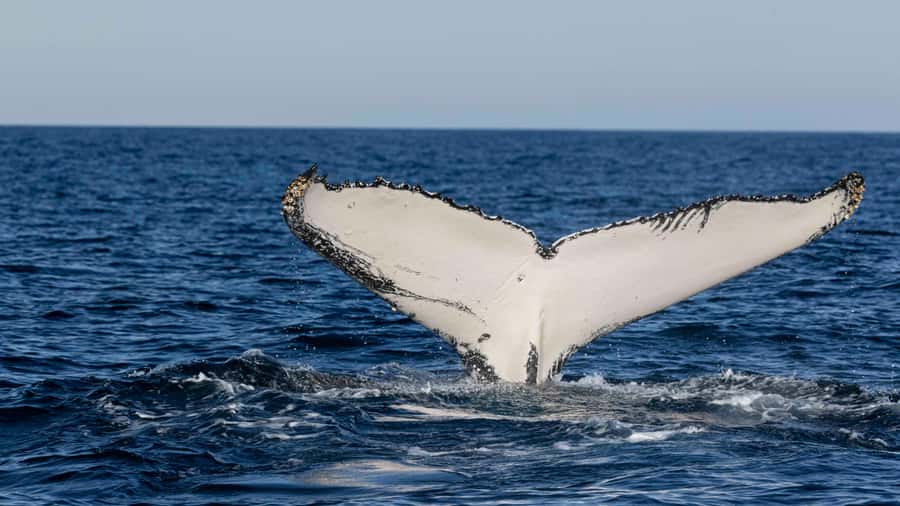
This tour is outdoors, on moving water, often with wind. Pack like you are going to the coast in a jacket weather mix, not like you are taking a summer sightseeing walk.
Bring:
- Warm clothing (even on mild days, sea breeze cools you)
- A camera (plus whatever strap or grip you like for quick shooting)
- Sunscreen (yes, wind and sun both happen out there)
- Water to stay hydrated
Also, dress for wind. The waterproof poncho helps, but it does not replace warm layers. If you get cold easily, it is better to over-layer than under-layer.
And if you have specific comfort needs, pay attention to seating. One booking suggested having a foot rest or an ability to lower the seat for shorter passengers, because feet were hanging during bigger waves. That is not for everyone, but it is worth considering if you are shorter in stature and comfort is a priority.
Weather, seasickness, and suitability: who should book and who should skip
This is a sea-weather driven activity. It runs only under favorable weather, tide, and sea conditions. If conditions are unsuitable, the operator will notify you by email and SMS with rescheduling options or refunds.
Motion sensitivity is the biggest personal filter. The tour is not suitable for:
- Children under 7
- Pregnant women
- People prone to seasickness
- People over 70
If any of that applies to you, it is worth listening. Whale watching is exciting, but your comfort matters, and taking a risk with seasickness can turn a bucket-list trip into a miserable one.
If you are not in those groups, you can still improve your odds by timing your day well and dressing for the elements. The boat is fast and stable, and suspension seating helps, but it is still the ocean.
Sunset vs afternoon timing: planning around whale mood
You may see different departure times, including later ones. One booking noted that a 3 pm departure felt late because the whales were perhaps settling down for the night. That person still had whales and even a baby whale sighting, but the feeling was that activity might be lower.
That does not mean late tours are worse. It just means your expectations should be flexible. If you want the strongest chance of high energy surface behavior, earlier or later timing can play a role, but the real decision-maker remains the sea that day.
For me as a planner, the takeaway is simple: pick a time that fits your schedule and keeps you rested, not one that forces you into a tight timeline. Whale watching has enough randomness. You should not add stress on top.
Should you book the Blue Seafaris humpback cruise?
Book it if you want a small-group whale cruise, you care about hearing whale song through a hydrophone, and you like learning from a marine biologist while you watch. This is also a good pick if you want more than whales, because dolphins, turtles, migratory birds, and other whales are all in the mix.
Skip it if you are in any of the not-suitable categories, especially if seasickness is a real risk. Also, if you need guaranteed calm seas and easy comfort, know that water conditions can change.
If you do book, go in with the right mindset. You are searching in open water, not “picking a whale off a menu.” When the humpbacks arrive, the combination of up-close viewing and the hydrophone makes the whole hour feel like more than a sightseeing stop.
FAQ
How long is the Byron Bay whale watching tour?
The tour duration is 150 minutes.
Where do I meet for the tour?
Meet at Blue Seafaris in the Brunswick Heads boat harbor area. Drive straight into the harbor, look for the Blue Seafaris flag, then choose one of the available car parks.
What boat will I be on?
You will board the Wardjam, a fast and stable rigid inflatable boat with suspension seating and seating for about 12 guests.
What is included in the price?
Included are the whale watching boat tour, an experienced skipper, a marine biologist guide, and a waterproof poncho.
Is food or drinks included?
No. Food and drinks are not included.
What should I bring with me?
Bring warm clothing, a camera, sunscreen, and water.
What animals might I see besides humpback whales?
You may see dolphins, turtles, migratory birds, and even other whales, depending on conditions.
What happens if weather or sea conditions are not suitable?
The tour depends on favorable weather, tide, and sea conditions. If it is canceled due to unsuitable conditions, you can join a later tour, receive a voucher to rebook, or receive a full refund.
Newest Byron Bay reviews on the site
- Byron Bay: Snorkelling Tour of Julian Rocks “Nuthungulli”★ 4.5 · 357 reviews
- Brunswick Heads: Snorkelling in Byron Bay★ 4.8 · 56 reviews
- Private Byron Bay: 2-Hour Stand Up Paddle Board Nature Tour★ 5.0 · 8 reviews
- Guided Evening Glow Worm Experience – Byron Bay★ 4.8 · 9 reviews
- From Byron Bay: Platypus Spotting Walk★ 4.9 · 12 reviews
- Byron Bay: Hinterland and Bangalow Full-Day Guided Tour★ 4.4 · 13 reviews
- Byron Bay: Tandem Skydive Experience★ 4.8 · 165 reviews
- Byron Bay Wild Koala Tour★ 4.8 · 15 reviews
Whale Watching, compared.
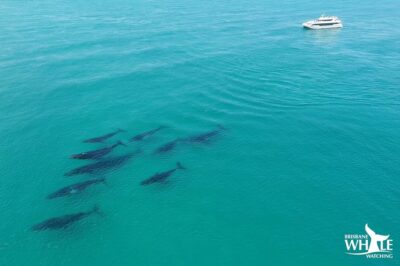
Brisbane Whale Watching Cruise from Redcliffe or Sunshine Coast
Read our review →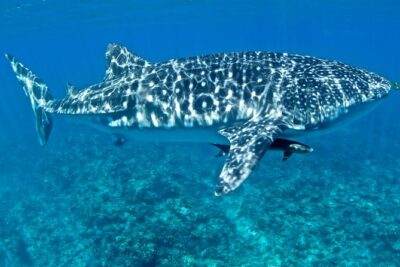
Swim with Whale Sharks in the Ningaloo Reef: 3 Island Shark Dive
Read our review →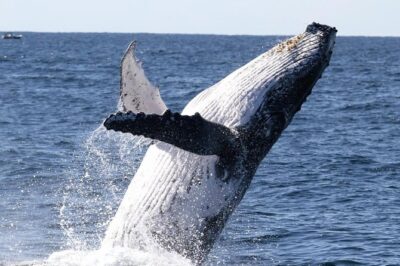
Sydney Whale-Watching Cruise Including Lunch or Breakfast
Read our review →
Spirit of Gold Coast 2.5-Hour Whale Watching Tour
Read our review →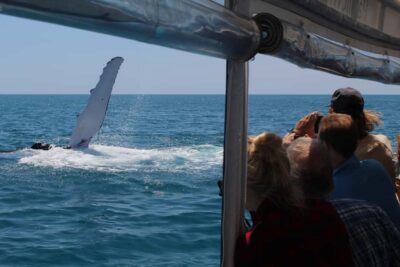
Browse the lists this tour appears in