Reviewed · TOURS
Bruny Island: Cape Bruny Lighthouse Tour
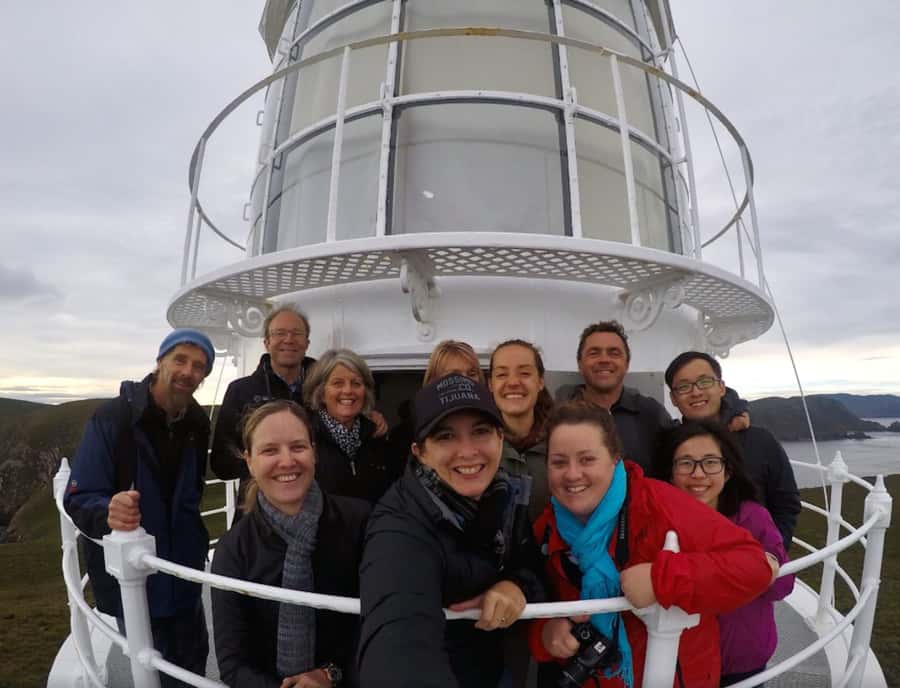
Cape Bruny Lighthouse has serious wow power. You climb original cast-iron spiral stairs and reach the 114-meter balcony above pounding sea. I love how the tour turns a quick stop into a guided story about how lighthouse life worked, with time for photos and binocular checks.
The only real catch is the physical part. The stairs and the approach track can be steep and a bit bumpy, so plan on proper shoes and go slow, especially if it is windy.
A small group helps here, too, so your guide can keep the pace manageable and still hit the best viewpoints. Guides such as Matt and Chris have made the explanations especially clear, which matters when you have limited time.
In This Review
- Key things to know before you go
- Getting to Cape Bruny: self-drive, ferry, and timing
- The 30-minute guided tour that actually feels complete
- The climb to the keeper observation levels
- The steeper stairs to the prism room and how the light worked
- The 114-meter balcony: wind, photos, and wildlife scans
- Binoculars and the smartest way to use them
- Price and value: is $17 for 30 minutes worth it?
- What to pack and how to make the most of the time
- Who this tour fits best
- Should you book the Cape Bruny Lighthouse Tour?
- FAQ
- How long is the Cape Bruny Lighthouse Tour?
- What does the tour cost?
- Where do I meet for the tour?
- Do I need to pay for transport from Hobart as part of the tour?
- Is the National Park entry fee included?
- What is included in the tour?
- What time does the tour run?
- Is there a limit on group size?
- Are drones and pets allowed?
- What shoes should I wear?
- Is this tour suitable for young children?
Key things to know before you go
- Original cast-iron spiral stairs you can actually climb, not just look at
- Prism room mechanics explained in a way that makes the lighthouse feel real
- 114-meter balcony views over ocean and the Southern tip of Tasmania
- Wildlife spotting chances for seals and albatross while you watch the water
- Binoculars provided so you can scan the seacliffs and shipping lanes properly
- Small group size capped at 10 for more attention and a smoother climb
Getting to Cape Bruny: self-drive, ferry, and timing
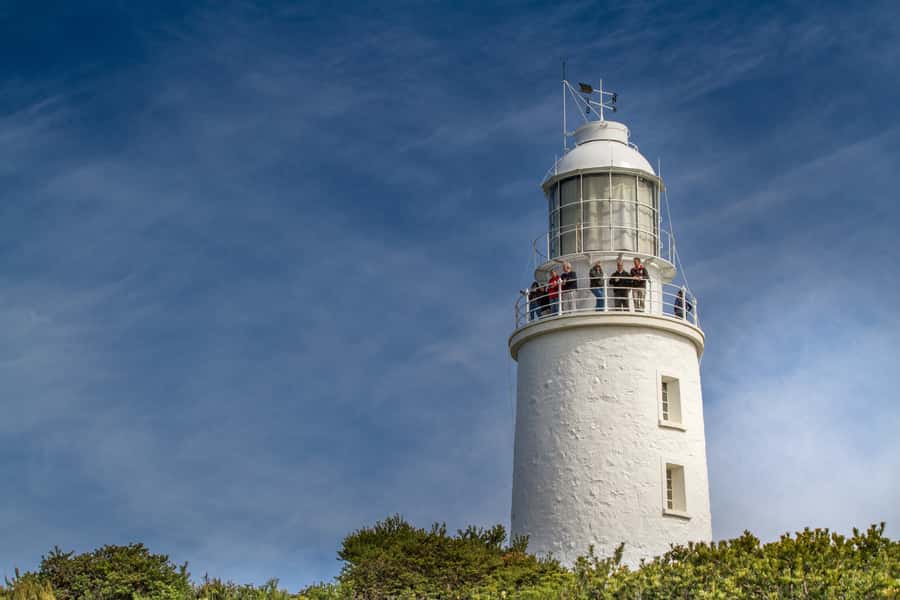
This tour is simple in concept, but you do need to handle the logistics yourself. Cape Bruny Lighthouse sits on Bruny Island, and you reach the island by road and then ferry. From Hobart, budget about 2.5 hours of self-driving time to get there. The lighthouse is open daily, and the lighthouse tour runs between 10:00 am and 4:00 pm depending on season.
Why this matters: the tour itself is only 30 minutes, so you do not want to arrive rushed. I suggest giving yourself extra buffer time for ferry waits and for finding parking near the entrance to Lighthouse Road.
Meeting point is the entrance to Cape Bruny Lighthouse, Lighthouse Road, South Bruny, Tasmania. Once you are there, the guide meets you and the clock starts, so be ready to move.
Also note the track to the lighthouse is concrete and gravel. Bring shoes with grip, and take the climb step by step. It is one of those “short, but not lazy” experiences.
More Australia days worth booking:
- Sydney: Opera House Guided Tour with Entrance Ticket
★ 4.8 · 8,312 reviews - All Inclusive Blue Mountain,Scenic World,Lunch,Koalas,ferry
★ 5.0 · 7,832 reviews - Great Ocean Road Small-Group Eco Tour from Melbourne
★ 5.0 · 6,607 reviews
The 30-minute guided tour that actually feels complete
You are not wandering around on your own here. Your guide runs a focused route that hits the best parts of the lighthouse in the time available. At a high level, you go in, get the context, climb to keeper levels, learn the mechanics, then finish at the balcony with views and a photo window.
The tour is small group, limited to 10 participants, and it is guided live in English. That group size helps because the lighthouse is tight and the route is narrow, especially once you start dealing with stairs.
What to expect from the first moments: your guide will explain why the lighthouse is positioned where it is and how it was made and operated. The Cape Bruny Lighthouse was built by convicts in 1835 and first operated in 1836, and that convict-era origin is part of the tone of the experience. You will also hear what lighthouse keepers did day to day, including the observation routines that were central to keeping ships safe.
Then you start climbing. You are moving from story time to the real physical experience of the lighthouse, which is what makes this tour more than a quick photo stop.
The climb to the keeper observation levels
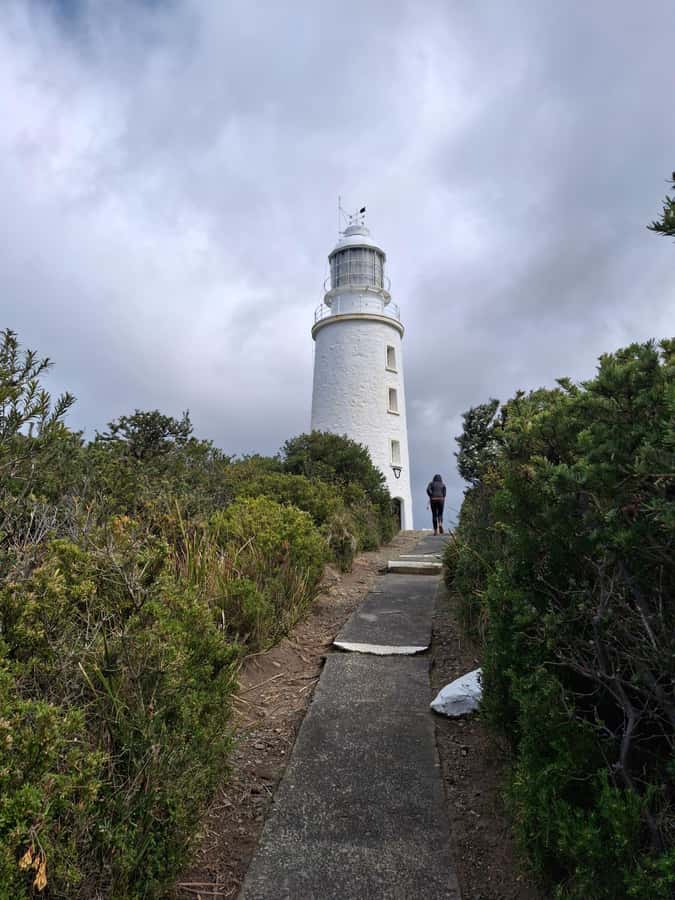
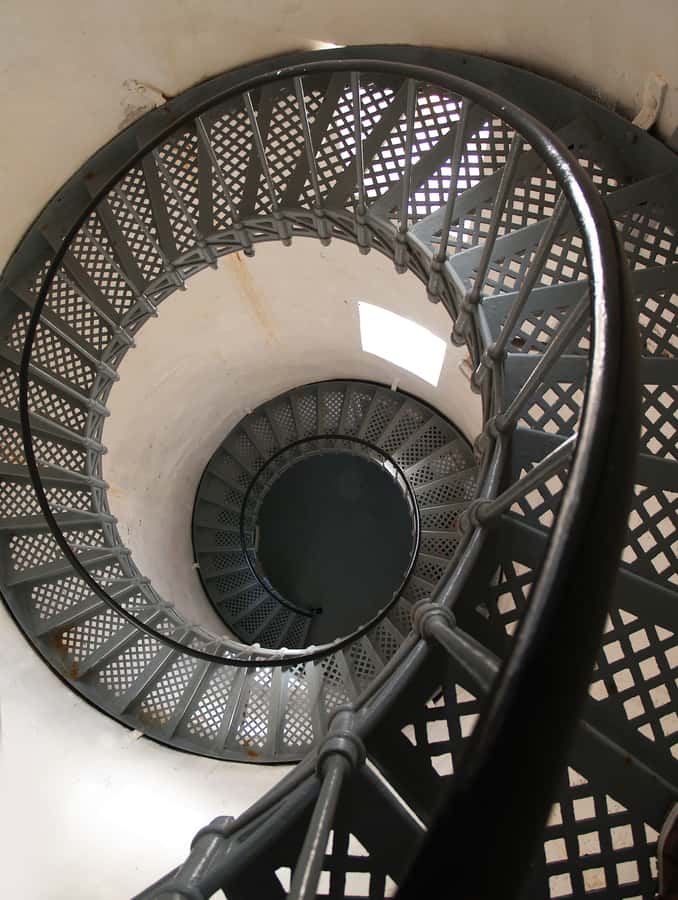
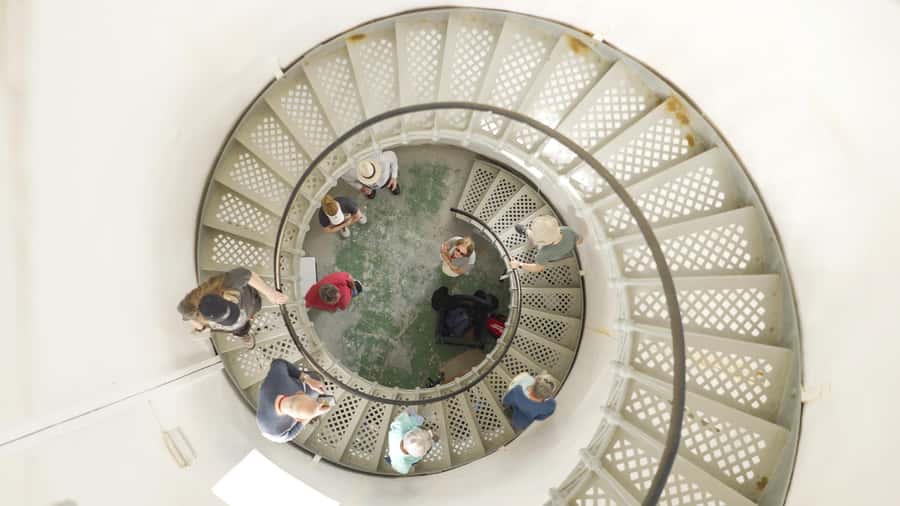
This is the part I think you should get excited about. The tour includes climbing the original cast iron spiral stairs. If you like old engineering, you will feel it under your feet. It is not a replica vibe. It is a working-feeling structure you can climb.
You start climbing up to the first level where lighthouse keepers would have sat for daily observations. The guide explains that they recorded things like weather and shipping movements, which gives the climb a purpose. You are not just climbing because it is there. You are climbing to reach the same line of sight those daily logbook moments relied on.
Practical tip: take your time on the early stairs. Your legs will warm up, but the pace matters. If you start fast, it is harder to slow down later when you want to focus on photos and listening.
One more thing you might appreciate: the guided tone keeps you from losing track of what you are looking at. When you get your head up and look out, the ocean and seacliffs make more sense because you have been told what the keepers were watching.
Reviews back up that the guide quality makes or breaks this part. People have singled out guides such as Matt and Chris for being clear and for connecting the climb to real keeper duties.
The steeper stairs to the prism room and how the light worked
After the first level, you climb to the prism or light room. This is often where the experience shifts from “history on the wall” to “how it actually functioned.”
The stairs here can feel slightly steeper. If you are someone who does not love enclosed vertical climbing, you will still likely be fine with a steady pace. But do not treat it like an easy stroll.
In the prism room, your guide explains how the mechanisms operated. You learn what the prism did and how the system helped shape and deliver the beam. The point is not technical math. The point is understanding the lighthouse as a working machine, built to serve ships far offshore from a cliff above pounding sea.
Why this is valuable: when a lighthouse is just a building in your photo, it can feel like scenery. When you understand the moving parts and their job, it becomes something you can picture in action. The guide makes that mental movie click.
You will probably have moments where you want to pause, take it in, and then look again, this time with a sense of function.
Same part of the map, a completely different day:
- From Melbourne: Great Ocean Road, 12 Apostles, Wildlife Tour
★ 4.7 · 6,020 reviews - Ocean Rafting: Whitehaven Beach, Snorkelling & Hill Inlet Lookout
★ 5.0 · 4,777 reviews - Laid back, Yarra Valley Wine Tour: Wine, Cider, Gin, Beer + Choc
★ 5.0 · 4,552 reviews - From Sydney: Blue Mountains Full-Day Trip
★ 4.5 · 4,471 reviews
The 114-meter balcony: wind, photos, and wildlife scans
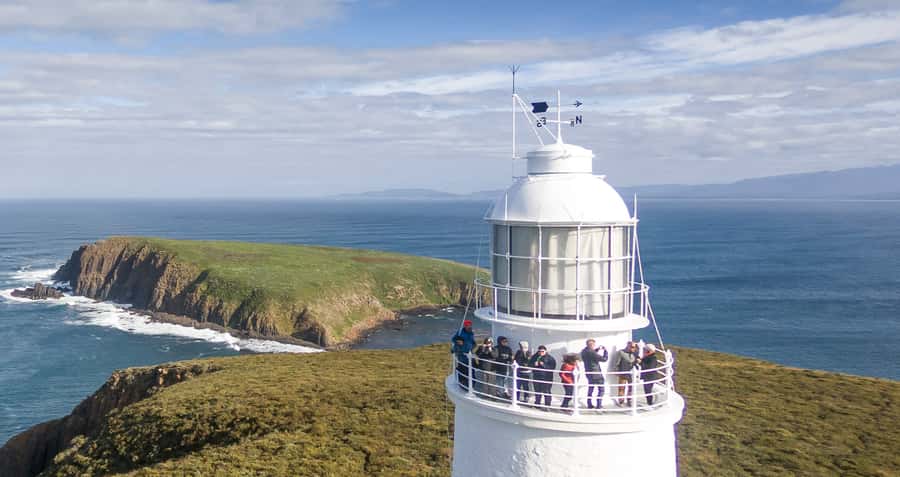
Then you step out onto the balcony, which sits 114 meters above the sea. This is where the lighthouse stops being a climb and turns into a view you cannot really fake.
You get wide ocean views across the seacliff coastline toward the Southern tip of Tasmania. In plain terms, it is a big sky, big water scene, and the lighthouse is part of the scale.
Photos: this is your best window. You will want a few wide shots, a few close shots of the lighthouse details if you can, and then some horizon shots once you find your framing. A practical move is to take one series while it is bright, then take a second round if the light shifts.
Safety and comfort: it can be windy out there. Guides have been careful about checking conditions before you head out to the landing, including slowing the group and making sure everyone is comfortable when gusts pick up. That is especially important if you are traveling with someone who gets nervous on exposed edges.
Wildlife spotting is part of the experience. Keep an eye on the water below, because seals and albatross live and feed in these waters. Your guide can point out where to look, but you still have to do the scanning. That is where the provided binoculars help.
If you are sensitive to wind or heights, consider going in with the mindset that you will do what you can at your pace. This is still worth it even if you do not linger long on the balcony.
Binoculars and the smartest way to use them
Binoculars are included, and you will actually use them. The idea is simple: look past the immediate waves and seacliffs, and scan for movement on the water surface. Albatross can be easier to spot when you watch for gliding shapes rather than trying to zoom in on every splash.
How I would use them on this tour:
- Start with the ocean, then lock onto any moving points your guide mentions
- Watch for patterns, like repeated circles or consistent glides
- Once you spot something, keep your binoculars steady and give it time to move through the frame
This is also one of the reasons the tour is only 30 minutes. You are not meant to spend hours. You get a focused burst of viewing, enough to appreciate the setting and capture the important moments.
Price and value: is $17 for 30 minutes worth it?
At $17 per person for a 30-minute guided tour, this is strong value if you care about two things: (1) getting inside the lighthouse experience and (2) having a guide connect it all into a story.
Self-guided visits to lighthouses can be hit or miss. You get photos and stairs, but you often miss what the building was built to do. Here, you pay for the guidance through the climb, the prism room explanation, and the balcony viewing context.
What makes the value even better is the inclusion of binoculars and the fact that you can climb the original stairway. That combination is hard to recreate on your own, especially because the lighthouse is not just a view platform. It is a working design with a specific observation purpose.
Two costs to keep in mind:
- Transport from Hobart is not included, and you must self-drive to the ferry and island
- The National Park entry fee is not included
So if you are budgeting your day, treat the $17 as the guided piece, then add your island and park-related costs. Still, for a guided climb to one of Tasmania’s most iconic coastal landmarks, it is a reasonable price.
What to pack and how to make the most of the time
You do not need a big daypack for 30 minutes, but you do need the right basics.
Wear: shoes suitable for concrete and gravel. This is not a “flip-flops are fine” situation. I would also wear layers, because cliff-top weather changes quickly, and wind can cut once you step onto the balcony.
Bring: a phone camera or small camera for photos. You might also bring sunglasses and a hat if you run warm, since you will be looking out at bright water.
Plan: arrive a little early so you can settle your footing before the guide leads you into the climb.
And if you have mobility concerns, the best strategy is an honest one. The tour is short, but the stairs are real. If stairs stress you out, it might still be worth asking your guide how the group manages pacing, but do not expect flat terrain.
Who this tour fits best
This tour is a great match if you:
- Love lighthouses, maritime history, or old coastal engineering
- Want more than a quick photo stop, and like explanations that make the place make sense
- Enjoy viewpoints with a side of wildlife watching
- Prefer small groups, where you are not stuck with a big crowd moving slowly
It is less ideal if you:
- Do not like steep climbs, even for a short period
- Are traveling with kids under 5 years (not suitable)
- Need a stroller or wheelchair-friendly route, since the tour involves stairs
Should you book the Cape Bruny Lighthouse Tour?
I think you should book it if you want a tight, guided lighthouse experience that gives you both access and context. The iron spiral staircase, the climb up to the prism room, and the chance to stand on a 114-meter balcony make this tour feel purposeful even though it lasts just 30 minutes.
Skip it only if stairs or wind are deal-breakers for you, or if you have already built an island day that is focused on longer independent wandering. Otherwise, this is one of those “do it while you are here” stops on Bruny Island, and the guide support makes it much easier to enjoy than trying to figure it out on your own.
FAQ
How long is the Cape Bruny Lighthouse Tour?
The tour duration is approximately 30 minutes.
What does the tour cost?
The price is listed as $17 per person.
Where do I meet for the tour?
Meet at the entrance to Cape Bruny Lighthouse, Lighthouse Road, South Bruny, Tasmania.
Do I need to pay for transport from Hobart as part of the tour?
No. Transport from Hobart is not included, and you need to make your own way to the island (including the ferry).
Is the National Park entry fee included?
No. The National Park entry fee is not included.
What is included in the tour?
The tour includes a 30-minute guided lighthouse tour, a local guide, and use of binoculars.
What time does the tour run?
Tours operate between 10:00 am and 4:00 pm, which may change seasonally.
Is there a limit on group size?
Yes. The group is small, limited to 10 participants.
Are drones and pets allowed?
Drones are not allowed, and pets are not allowed. Assistance dogs are allowed.
What shoes should I wear?
Wear suitable shoes because the track is concrete and gravel.
Is this tour suitable for young children?
It is not suitable for children under 5 years.
Newest Australia reviews on the site
- Airlie Coastal Beach Adventures – Dingo Beach & Cape Gloucester★ 5.0 · 27 reviews
- Airlie Waterfalls & Rainforest Bushwalk Eco Adventure★ 5.0 · 23 reviews
- Airlie Beach Sightseeing Explorer- 3 hr Snaphots & highlights★ 5.0 · 33 reviews
- Whitsundays Day Cruise: Whitehaven Beach & Hill Inlet★ 5.0 · 274 reviews
- One Way Airport Transfer: Proserpine-Airlie Beach (or vice versa)★ 4.5 · 63 reviews
- Bowen Beaches Discovery-Top of the Whitsundays★ 5.0 · 40 reviews
- British Defender 3D2N Whitsunday Snorkelling Sailing Adventure★ 5.0 · 30 reviews
- Airlie Beach Jet Ski Safari (1 Hour)★ 4.5 · 257 reviews
Tours, compared.
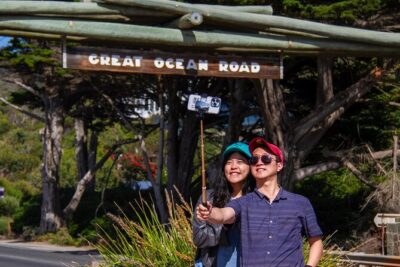
Great Ocean Road Small-Group Eco Tour from Melbourne
Read our review →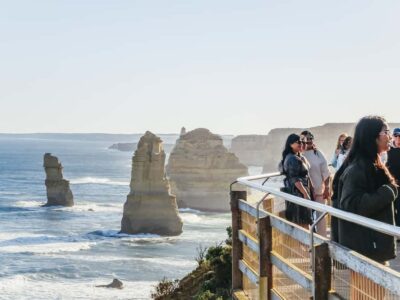

Laid back, Yarra Valley Wine Tour: Wine, Cider, Gin, Beer + Choc
Read our review →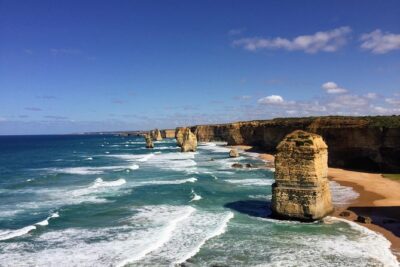
Great Ocean Road Reverse Itinerary Boutique Tour – Max 11 Guests
Read our review →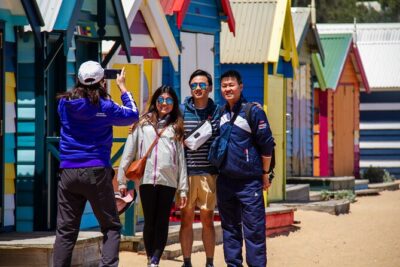
Penguin Parade, & Wildlife Encounters Eco Tour from Melbourne
Read our review →
Sydney Opera House Official Guided Walking Tour
Read our review →