
Reviewed · AUSTRALIA
Anna Bay: Irukandji Entry Pass with Shallows Encounter
Pet sharks without glass, in shallow water.
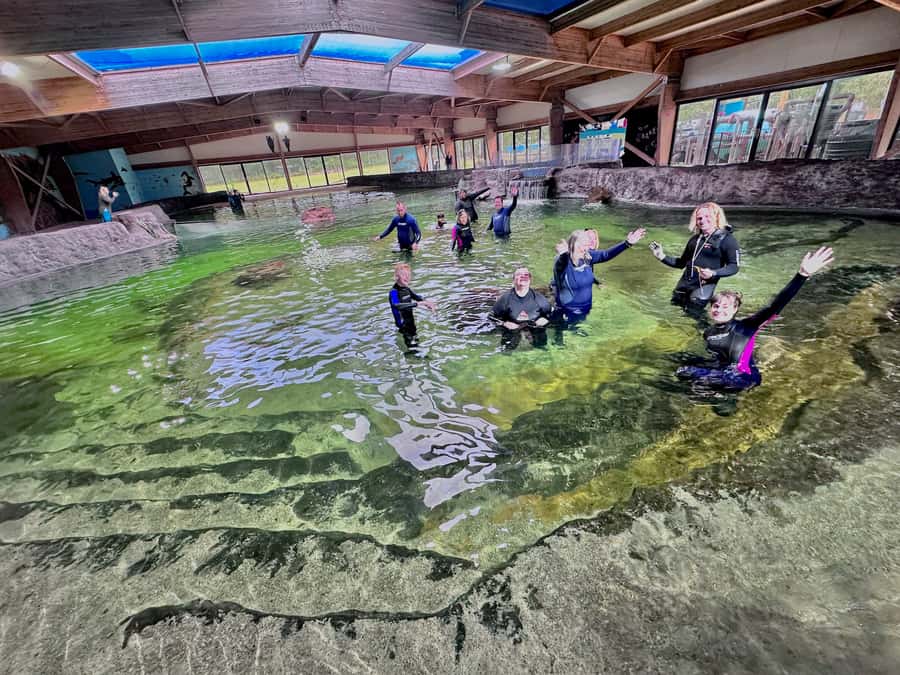
This Irukandji Entry Pass in Anna Bay turns a normal aquarium visit into a hands-on lagoon walk, where you stay close to the action and learn while you’re feeding and touching sharks and rays. I love that it feels personal and interactive, not like you’re watching from behind glass. I also love that there are two different lagoons with different animals and keeper-led talks as you move pool to pool.
The main trade-off is that with the entry pass you’ll be mostly in shallow, “mostly dry” conditions, so you may not reach far into the water unless you choose the wetsuit option. The upside is that it still works well for families, because the whole experience is built around safe, guided wading in the shallows.
In This Review
- Key things to know before you go
- What the Anna Bay Irukandji Entry Pass Really Is
- Price, Value, and Who It Fits Best
- The 2-Hour Flow, From Arrival to the Gift Shop Rinse
- Fingill Lagoon: Rays That Glide Over Your Feet
- Tropical Lagoon: Zebra Sharks, Bamboo Sharks, and Reef Sharks
- Dry Clothes vs Wetsuit Time: How to Choose the Right Level
- Feeding Sticks, Safety Rules, and How Interactions Actually Work
- Comfort Tips: Socks, Sunscreen, Cold, and Bare-Foot Lagoon Entry
- What You Get After the Water: Showers, Towel Down, Snacks, and More
- Should You Book This Anna Bay Shallows Encounter?
- FAQ
- How long is the Irukandji Entry Pass with Shallows Encounter?
- Can I swim with the sharks and rays?
- Do I need to wear a wetsuit?
- Is shoe use allowed in the lagoon?
- Are children allowed to attend?
- What sunscreen can I use?
- What interactions are included with the Entry Pass?
- Where do the feeding and petting happen?
- What time should we arrive for the full experience?
- Can I cancel or pay later?
- Is the tour in English and wheelchair accessible?
Key things to know before you go
- Two natural-style lagoons: Fingill and Tropical pools, each with different species and a different feel
- Feeding sticks in your hand: You’re given sticks and food, then guided to feeding points
- Petting is part of the plan: Rays glide over your feet, and you can reach down to feel their skin
- No swimming, only wading: You’ll share the water, but keep it shallow and controlled
- Rinse and reset: Hot showers are included before you head to the gift shop
- Winter and chill matter: If cold is an issue, plan for wetsuit time early
What the Anna Bay Irukandji Entry Pass Really Is
This is not a “look at sharks” ticket. It’s a guided time in lagoon shallows where you interact directly with friendly sharks and rays under keeper supervision. Think of it as a structured, safety-first water experience built around wading, feeding, and gentle touch.
The Irukandji setup is also different from a typical aquarium because the animals live in natural-style lagoons, not glass tanks. You walk along lagoon edges, then move between pools as the keepers set up feeding moments. You’re mostly limited to shallow water, but you get the best part anyway, being close enough to see how rays move, how sharks react to feeding, and how texture changes when you reach down.
If you’re coming with kids, this kind of ticket tends to hit harder than any exhibit. When the moment is happening right in front of you, the learning sticks. Even adults often enjoy it because the experience feels hands-on without being chaotic.
More Australia days worth booking:
- Sydney: Opera House Guided Tour with Entrance Ticket
★ 4.8 · 8,312 reviews - All Inclusive Blue Mountain,Scenic World,Lunch,Koalas,ferry
★ 5.0 · 7,832 reviews - Great Ocean Road Small-Group Eco Tour from Melbourne
★ 5.0 · 6,607 reviews
Price, Value, and Who It Fits Best
At $29 per person for the Entry Pass, the value is strongest if you want more than passive viewing. You’re paying for:
- access to shallow lagoon entry
- shark food at feeding locations
- petting and feeding interaction
- keeper talks as you circulate through the pools
- hot shower facilities afterward
- spectator access to the aquarium
That combination matters. Many attractions sell “touch” or “feeding” experiences at a premium, but here the core ticket already includes the main interaction time plus showers so you can actually leave feeling clean, not sandy and salty.
This is a smart match if you want:
- a family activity that’s active, not just educational
- a short, clear window of time (about 2 hours)
- a close-up marine encounter without snorkelling gear or deep-water swimming
If you’re the type who wants to be fully in the water, spending most of your time submersed, you may want to consider the wetsuit route sooner rather than later. The standard Entry Pass is built for shallow wading and keeping dry-ish clothing, which is great if that’s what you prefer.
The 2-Hour Flow, From Arrival to the Gift Shop Rinse
Even though the ticket is about 2 hours, your day can shape the experience. Irukandji runs all day from 9 AM to 5 PM, and the guidance is to arrive by 3:30 PM if you want the full experience. Time slots vary, so check availability for your start time.
Here’s the flow you can expect once you arrive:
- Meet the staff and get guided instruction
You’ll get a safety and interaction briefing first, plus the equipment you need to enter the water and feed the animals.
- Choose your water setup
You can keep your own clothes on top of swimwear and stay in shallow shallows where mostly your feet and lower legs get wet. There’s also an option to wear a wetsuit for deeper access (often tied to the Discovery Pass upgrade).
- Start lagoon entry and feeding
At feeding points, you’ll be given a feeding stick and food. Keepers guide you around to different pools.
- Move through pools with keeper talks
Each pool has different species and specific talk points, so the interaction changes as you go.
- One or more big talks in the shallows
During the big shark talk, keepers bring out larger sharks into the near-shore area for a more dramatic feeding and viewing moment.
- Rinse, shower, towel, and head to the shop
Afterward you’ll rinse off under a warm shower, towel down, and then walk into the gift shop area for snacks and drinks.
The big thing to notice is that the structure is the product. You’re not just handed a stick and turned loose. A keeper stays close and keeps the experience safe and calm.
Fingill Lagoon: Rays That Glide Over Your Feet
Fingill Lagoon is your first “wow” moment, especially if you like rays. This pool is known for friendly, curious rays that glide over your feet and eagerly snatch food from your stick.
How it feels:
- You wade in bare feet, because the lagoon can only be entered without shoes.
- Rays move right through your space, not from far away, so you feel the momentum of the water and the way animals follow the food.
- You’re encouraged to reach down and pet them, which is where the texture details land. Rays feel different from what most people expect.
What you’ll learn here is practical marine understanding. Each pool comes with its own information, including what these animals eat and how they behave around food and hands. If you’re doing this with kids, this is often the point where attention locks in. Feeding is immediate, touch is allowed, and it’s all happening at ankle-to-shallow depth.
Same part of the map, a completely different day:
- From Melbourne: Great Ocean Road, 12 Apostles, Wildlife Tour
★ 4.7 · 6,020 reviews - Ocean Rafting: Whitehaven Beach, Snorkelling & Hill Inlet Lookout
★ 5.0 · 4,777 reviews - Laid back, Yarra Valley Wine Tour: Wine, Cider, Gin, Beer + Choc
★ 5.0 · 4,552 reviews - From Sydney: Blue Mountains Full-Day Trip
★ 4.5 · 4,471 reviews
Tropical Lagoon: Zebra Sharks, Bamboo Sharks, and Reef Sharks
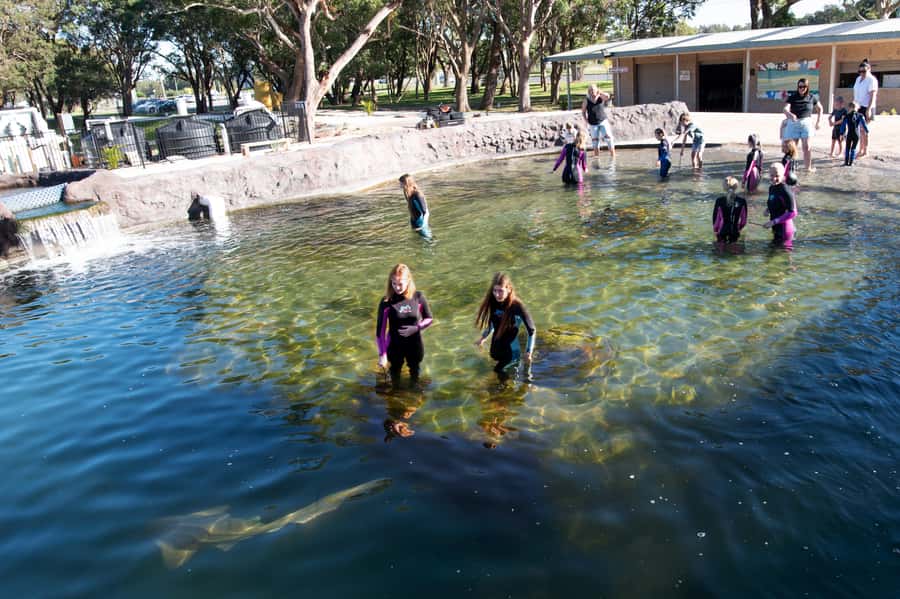
After Fingill, you move over to the Tropical Lagoon, where the experience shifts from ray-forward to shark-and-ray mix. Expect a combination of rays plus several shark species, including:
- zebra sharks
- brown-banded bamboo sharks
This is also where the keeper talk energy ramps up. You’ll hear educational talks about sharks, rays, and marine conservation while you keep interacting in the shallows.
Then comes the moment many people love most: the Big Shark Talk. During this talk, keepers invite you into the shallows as they bring up larger sharks like tawny nurse sharks and whitetip reef sharks. It’s still controlled and safe, but it’s the closest thing to a “meet the big ones” moment in an entry-level pass.
If you’re worried about fear, this is where the staff help you manage it. The sharks are there for a purpose in a feeding routine, and keepers guide you on where to stand and how to interact.
Dry Clothes vs Wetsuit Time: How to Choose the Right Level
The Entry Pass is designed for clothes mostly staying dry, with your feet and ankles getting wet. That sounds ideal, but it does create one practical limitation: your reach into the water.
If your goal is maximum contact, you’ll likely get more out of renting or upgrading to a wetsuit for deeper access. Several people point out that without wetsuits, interaction can feel restricted to the shallowest area, especially for taller kids or adults who expect more water depth.
Here’s my practical take:
- If you want an easy, comfortable, kid-friendly start and you do not mind limited depth, the Entry Pass setup works.
- If you’re visiting in cooler weather or you want rays and sharks closer to your knees and hands, plan for the wetsuit option from the beginning.
Also remember the rules. Swimming is not allowed, and the wading zone is limited. So even with a wetsuit, you’re not going to be free-swimming. You’re still in a guided shallow interaction space. The wetsuit mainly helps with cold and increases how much of your body stays in the water comfortably.
Feeding Sticks, Safety Rules, and How Interactions Actually Work
The experience runs on simple routines:
- you’re given a feeding stick
- you’re given shark and ray food at feeding points
- a keeper guides you between pools
- you feed, pet, and observe while keepers explain what you’re seeing
A few rules shape how the encounter feels:
- No unaccompanied minors are allowed.
- Children under 12 must have an adult in the water at all times.
- Clothes must be worn on top of swimwear.
- Reef-friendly sunscreen is the only sunscreen permitted.
- The keepers are always present with the animals, which makes the whole thing feel less risky than it sounds.
Because keepers control feeding timing and movement, the vibe stays calm even when kids are excited. You’re not improvising interactions, which is important when animals are close.
Comfort Tips: Socks, Sunscreen, Cold, and Bare-Foot Lagoon Entry
If you’re thinking barefoot sounds uncomfortable, you’re not alone. But the lagoon rule is clear: you can only enter the lagoon without shoes. That means you should plan around contact with sand or rougher surfaces and how long you’ll be standing.
A practical option is provided for toe coverage. There’s mention of keeping souvenir socks and using wear that covers toes. If you’re sensitive about the texture of the sand, it’s worth looking into the toe-cover option when you get equipped.
Sunscreen matters too. The rule is reef-friendly sunscreen only. Regular reef-unfriendly products can be an environmental problem, so don’t guess. Use what they accept.
Cold weather can be real in this part of Australia. People have done it in winter and said wetsuits made the whole interaction more comfortable. If you run cold easily, take that seriously. A quick “we’ll be fine” can turn into a rushed, uncomfortable experience that you don’t actually enjoy.
What You Get After the Water: Showers, Towel Down, Snacks, and More
After your time in the lagoons, you’re not sent away immediately. You get to rinse under a warm shower and towel down before moving through the rest of the facility.
Then you can cruise the gift shop. The shop area is set up like a “stay a bit” zone with sustainable gift items, plush toys, snacks, and cold drinks. It’s a small detail, but it helps you transition out of wet clothing without feeling rushed.
You also have spectator access to the aquarium as part of the Entry Pass. The lagoon interaction is the star, but it’s nice to have a fallback if you want to slow down after the water time.
Should You Book This Anna Bay Shallows Encounter?
Book it if you want a hands-on shark and ray experience that fits a family schedule, stays focused for about 2 hours, and does real interaction instead of glass-only viewing. If your kids love action and animals, this is the kind of ticket that tends to create a story you’ll keep repeating on the drive home.
Think twice or plan an upgrade if:
- you want deeper water contact for maximum interaction
- you visit in cooler weather and you tend to get chilled quickly
- your group includes kids who may be restless during keeper talks, since the experience does include guided explanations while you’re waiting for feeding moments
Overall, this pass is good value because it includes feeding, petting, talks, and showers, not just entry. It’s not a big-city “entire day” attraction. It’s a focused, guided encounter where you get close enough to understand why sharks and rays deserve respect.
FAQ
How long is the Irukandji Entry Pass with Shallows Encounter?
The duration is about 2 hours. You should check availability to see the starting times.
Can I swim with the sharks and rays?
No. Swimming is not permitted. You can wade in the water only.
Do I need to wear a wetsuit?
Not for the Entry Pass. You can keep your clothes on top of swimwear and stay mostly in shallow areas. If you want deeper access, there is a wetsuit option through an upgrade.
Is shoe use allowed in the lagoon?
No. The lagoon can only be entered without shoes.
Are children allowed to attend?
No unaccompanied minors are allowed. Children under 12 must have an adult accompanying them in the water at all times.
What sunscreen can I use?
Only reef-friendly sunscreen is permitted.
What interactions are included with the Entry Pass?
You get admission to the aquarium as a spectator, entry into the lagoon shallows, shark food at feeding locations, and interaction with the animals such as petting and feeding. You also get informative animal talks.
Where do the feeding and petting happen?
At the lagoon shallows. You’ll be given feeding sticks and food at feeding points, then guided around different pools by a fish keeper.
What time should we arrive for the full experience?
Tours run from 9 AM to 5 PM. The guidance is to arrive by 3:30 PM for the full experience.
Can I cancel or pay later?
Yes. You can cancel up to 24 hours in advance for a full refund. You can also reserve now and pay later.
Is the tour in English and wheelchair accessible?
Yes. There is a live tour guide in English, and the experience is listed as wheelchair accessible.
Newest Australia reviews on the site
- Airlie Coastal Beach Adventures – Dingo Beach & Cape Gloucester★ 5.0 · 27 reviews
- Airlie Waterfalls & Rainforest Bushwalk Eco Adventure★ 5.0 · 23 reviews
- Airlie Beach Sightseeing Explorer- 3 hr Snaphots & highlights★ 5.0 · 33 reviews
- Whitsundays Day Cruise: Whitehaven Beach & Hill Inlet★ 5.0 · 274 reviews
- One Way Airport Transfer: Proserpine-Airlie Beach (or vice versa)★ 4.5 · 63 reviews
- Bowen Beaches Discovery-Top of the Whitsundays★ 5.0 · 40 reviews
- British Defender 3D2N Whitsunday Snorkelling Sailing Adventure★ 5.0 · 30 reviews
- Airlie Beach Jet Ski Safari (1 Hour)★ 4.5 · 257 reviews